
Unbiased headlines. Facts, not spin.
Every story is an unbiased news briefing written from 110+ sources across the spectrum — sources linked so you can verify it yourself.
 energy
Notable (6/10)
June 19, 2026 at 09:20 PM
energy
Notable (6/10)
June 19, 2026 at 09:20 PM
Switzerland Talks Back on Track: Israel-Hezbollah Ceasefire Clears the Path, but Oil Markets Face a Supply Glut
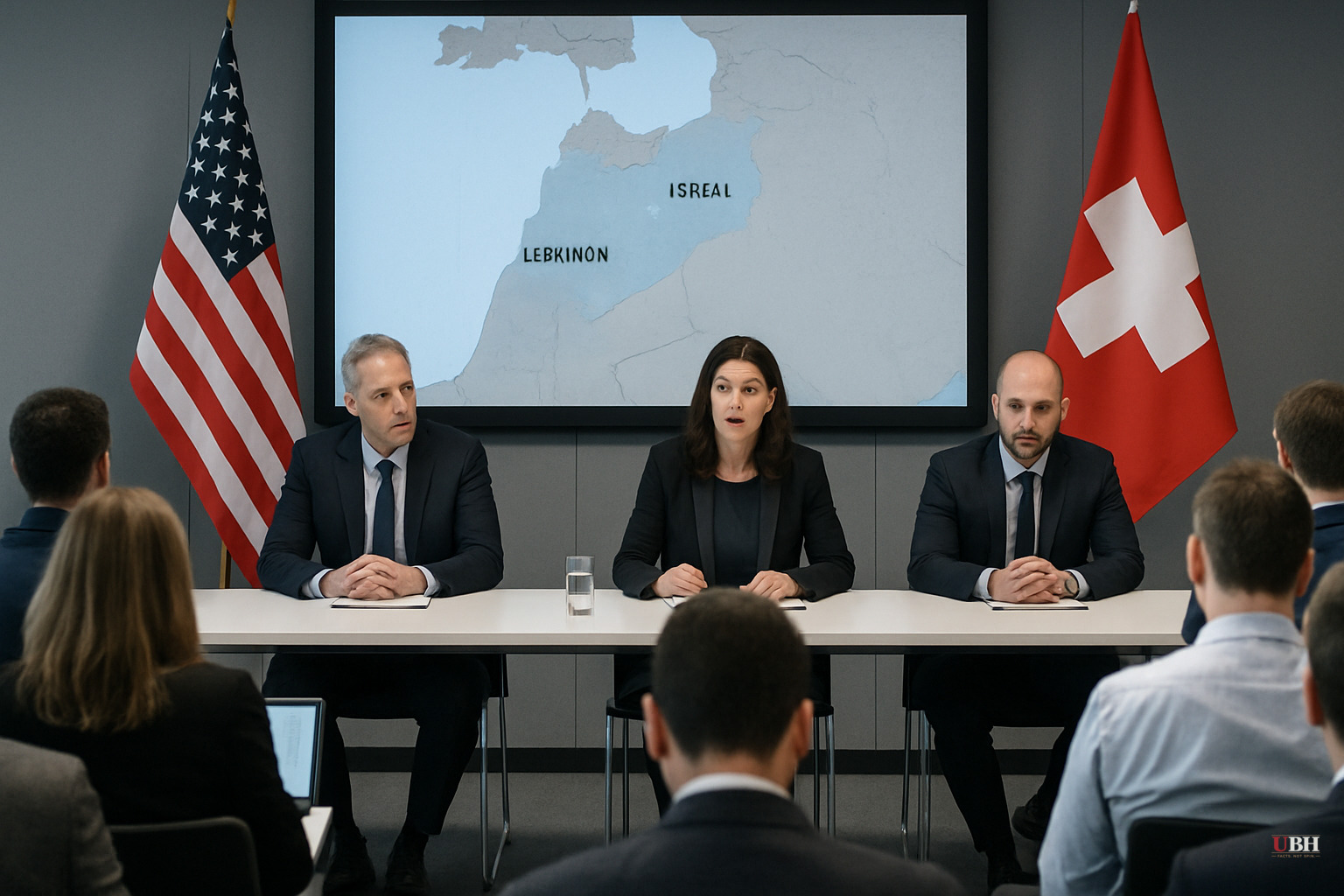
Since the US-Iran interim deal was signed earlier this week, every subsequent development has tested whether it would hold. Today delivered both a crisis and a partial resolution within the same news cycle.
The Ceasefire That Unblocked Switzerland
The Switzerland nuclear talks were postponed after Iran refused to send a delegation, citing Israeli airstrikes on southern Lebanon. According to three people familiar with the matter cited by the Financial Times, Tehran's position was explicit: the interim deal signed by President Trump and Iran stipulates the "immediate and permanent termination" of fighting, including in Lebanon, and Iran would not negotiate while that clause was being violated.
A diplomat familiar with the Switzerland talks told the outlet: "The Iranians have asked for guarantees that hostilities in Lebanon will end, as outlined in the signed agreement, and mediators are currently working to resolve the issue." Iran's position was effectively "no Lebanon, no deal," arguing that it had restrained Hezbollah while Washington failed to restrain Israel. Israeli airstrikes across more than 10 villages in southern Lebanon killed 18 people and wounded 33, according to Lebanon's health ministry.
By Friday afternoon, the impasse broke. Reuters reported that Israel and Hezbollah agreed to a ceasefire beginning at 4 p.m. local time, brokered by U.S. and Qatari negotiators with help from Iran. An Israeli official confirmed the deal to the Jerusalem Post, adding: "We have entered a ceasefire. We will continue to act against threats and will remain in the Strip. If Hezbollah harms our soldiers or civilians, we will respond forcefully."
The White House had also announced that Vice President JD Vance, head of the U.S. delegation, canceled his planned trip to meet Iranian negotiators. The Swiss talks can now resume, though no rescheduled date has been announced.
Hormuz: Traffic Stalled, Supply Queued Up
Brent crude rebounded from the lowest price since the start of the war and fluctuated near $80 a barrel as traffic through the Strait of Hormuz appeared to thin on Friday, just a day after the US-Iran deal prompted a burst in oil flows, according to ZeroHedge.
More than 60 million barrels of seaborne crude that had been trapped in the Persian Gulf are expected to return to global markets, according to reporting from OilPrice.com, with much of that supply heading toward Asian refiners.
Kuwait separately told OilPrice.com its output could reach 2 million barrels per day within a week, adding another supply increment to an already-pressured market.
Insurers are responding separately. OilPrice.com reported that a $400 million war-risk insurance facility has been rolled out for Hormuz shipping, underscoring that the commercial maritime industry is pricing ongoing risk into every transit, not treating the ceasefire as a clean reset.
Why Prices Haven't Recovered — and May Not Soon
WTI was near $76.54 and Brent near $80.57 as of recent session data, according to OilPrice.com. The Israel-Hezbollah ceasefire news briefly pushed WTI futures down from around $76.40 to $75.56 before stabilizing, according to ZeroHedge.
Consumers should not expect fast relief. The global oil supply-demand balance has been significantly disrupted, and supply chains for oil, food, and fertilizers do not unwind quickly.
The Counterargument Worth Taking Seriously
Skeptics of the bearish oil thesis argue that the ceasefire is fragile and priced in prematurely. The Israel-Hezbollah agreement came with an explicit Israeli reservation: continued freedom to strike if its forces or civilians are threatened. Iran's newly created transit authority now controls a compliance-based entry system that Tehran can tighten at will. The memorandum of understanding left unresolved questions about which routes are safest, how opposing-direction traffic will be managed, and whether Iran might impose transit tolls. Goldman Sachs has warned that Strait of Hormuz traffic may never fully recover, according to OilPrice.com.
That concern is fair. The current calm depends on every party simultaneously honoring commitments that none of them have fully honored in recent days.
A Separate Supply Story: Russia
One development today adds supply-side complexity that the Iran narrative alone doesn't capture. Russia is rationing fuel in Moscow following drone strikes on refining infrastructure, according to OilPrice.com, a signal that Russian domestic supply is under pressure regardless of Middle East dynamics.
The Open Question
The genuine unresolved question is whether the diplomatic architecture built this week is durable enough to allow physical supply to fully normalize, or whether the Lebanon ceasefire's first violation restarts a cycle that oil markets have now been through twice in 48 hours. There are 60 planned days of negotiations ahead, and as one analyst cited by ZeroHedge noted, investors should not rush to conclusions about a permanent deal.
Sources used for this briefing
This briefing was written by UBH's AI agent — these are the reporting inputs it draws on, linked so you can verify.


