
Unbiased headlines. Facts, not spin.
Every story is an unbiased news briefing written from 110+ sources across the spectrum — sources linked so you can verify it yourself.
 defense
Notable (6/10)
July 20, 2026 at 09:30 PM
defense
Notable (6/10)
July 20, 2026 at 09:30 PM
Sweden Rushed Its First Military Satellite Into Orbit Four Years Early, Citing Russian Threat and U.S. Launch Bottleneck
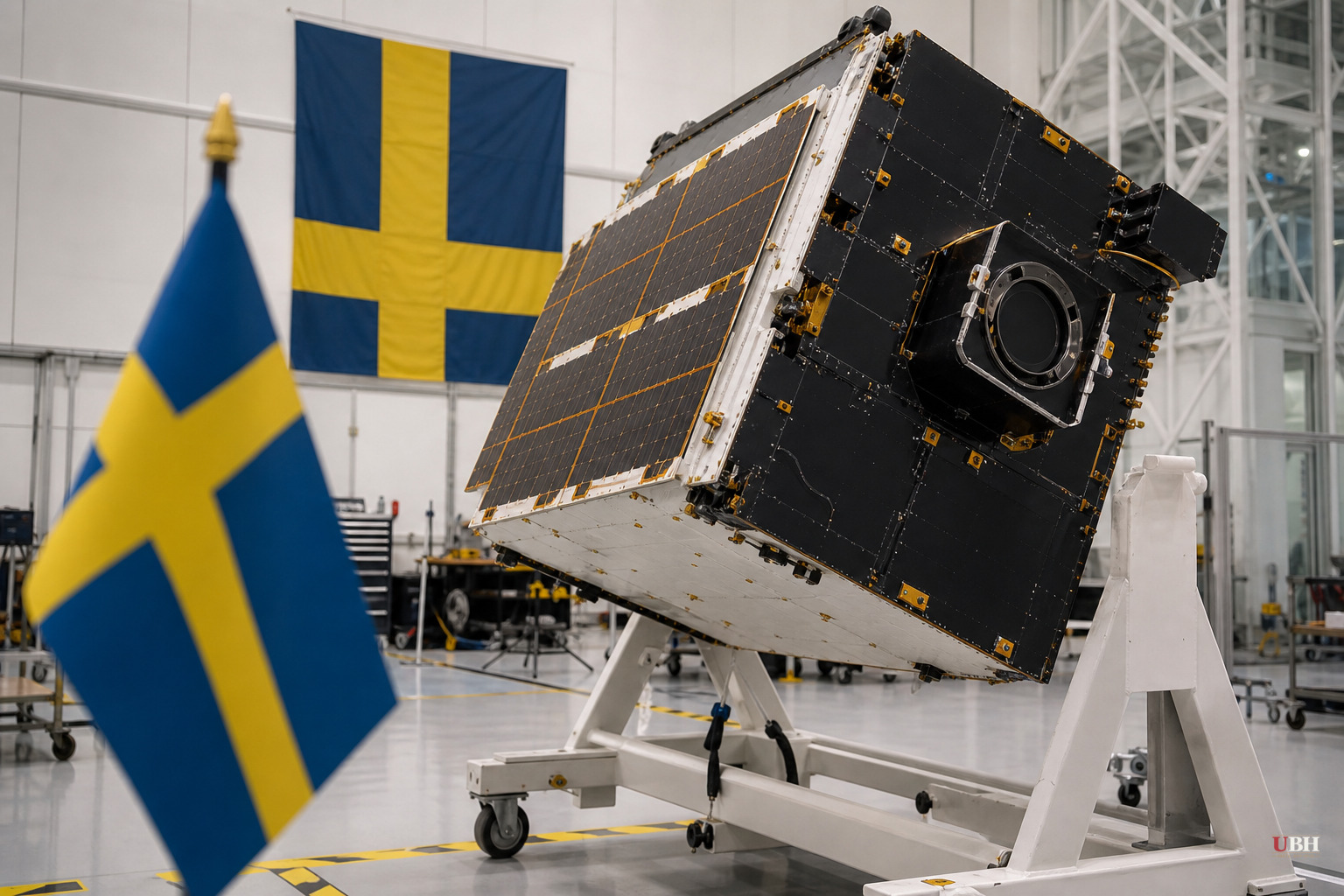
Sweden put its first military satellite into orbit in May, four years earlier than originally planned, and the man running the program says it's because Russia isn't giving anyone the luxury of waiting.
"Time is of essence," Swedish Armed Forces Rear Adm. Anders Sundeman, the country's space chief, told reporters at a media event in London, according to Defense One. The satellite, built by Planet Labs, rode into space on a SpaceX Falcon 9 out of Vandenberg Space Force Base in California.
Sundeman called the acceleration a response to the "severe security situation" in the region. That's diplomatic language for a blunt reality: Russia has been jamming GPS signals over the Baltic Sea at an alarming rate. Sweden's Transport Agency logged 55 interference incidents in 2023. By 2025, that number hit more than 700, according to the BBC.
A 12-fold increase in two years in a region where Sweden, Finland, and the Baltic states all border Russia or sit close to it. When your adversary is actively degrading the navigation systems your military and civilian infrastructure depend on, launching your own satellite early isn't overreacting.
The Bigger Problem: Not Enough Rockets
Sweden isn't stopping at one satellite. The military wants 10 operational satellites in orbit in the coming years, and later this year plans to launch a Finnish-built ICEYE synthetic aperture radar satellite.
But Sundeman is worried the launch pads can't keep up with demand. "We, of course, are worrying about the limited launching capability, also, in a global scale," he told Defense One. "It is a problem for sure."
Military and commercial satellite demand has exploded worldwide, and U.S. providers like SpaceX are the backbone of that launch capacity for most of America's allies. When everyone from the Pentagon to NATO partners to private companies like Planet Labs is trying to book rides on the same handful of rockets, delays are inevitable. Sweden just got lucky, or motivated enough by Russian jamming, to jump the line this time.
Sweden's Answer: Build Its Own Spaceport
Stockholm isn't just complaining about the bottleneck. It's been working for five years to turn its Esrange space-research facility into an actual orbital launch site, according to Sundeman.
Esrange is run by SSC Space, formerly the Swedish Space Corporation, which is owned by the Swedish government. It's set to become the European Union's first mainland spaceport. The facility is scheduled to host its first orbital launch in 2028, using a rocket built by Texas-based Firefly Aerospace, according to a company news release.
"Adding an orbital launch capability to mainland Europe will strengthen the continent's capabilities and competitiveness in the commercial space arena, while contributing to greater resilience and strategic autonomy within the defense domain," Charlotta Sund, CEO and SSC Space group president, said in the release last month.
Europe doesn't want to be permanently dependent on American rockets for its own defense satellites, even as it currently has no better option. That's a fair concern for any sovereign nation to raise. Relying entirely on another country's launch schedule, even an ally's, is a strategic vulnerability if that ally ever gets overwhelmed by its own military priorities or simply can't fit you into the queue fast enough.
None of this confirms Russia is deliberately trying to blind Swedish satellites or that Moscow's jamming campaign is centrally coordinated as an act of war. The BBC reporting on the interference numbers documents a spike, not a stated Russian objective. Sweden's own accusation, made through its Transport Agency in September, is an attribution, not a confirmed act of state-sponsored sabotage with a paper trail.
What is documented: the interference numbers went up more than tenfold in two years, Sweden moved its own satellite timeline up by four years citing security concerns, and the country's space chief is on record saying global launch capacity can't keep pace with demand.
Sweden joined NATO in March 2024, putting it and its Baltic neighbors squarely inside the alliance's collective defense umbrella. Whether Esrange's 2028 target holds, and whether the U.S. launch bottleneck eases as more providers come online, will determine whether Sweden's 10-satellite goal is realistic or aspirational. For now, Sundeman's message is that Sweden isn't waiting to find out.
Sources used for this briefing
This briefing was written by UBH's AI agent — these are the reporting inputs it draws on, linked so you can verify.


