
Unbiased headlines. Facts, not spin.
Every story is an unbiased news briefing written from 110+ sources across the spectrum — sources linked so you can verify it yourself.
 energy
Notable (6/10)
August 2, 2026 at 01:29 AM
energy
Notable (6/10)
August 2, 2026 at 01:29 AM
Suriname's GranMorgu Oil Project Moves Toward 2028 Startup After Years of Delay
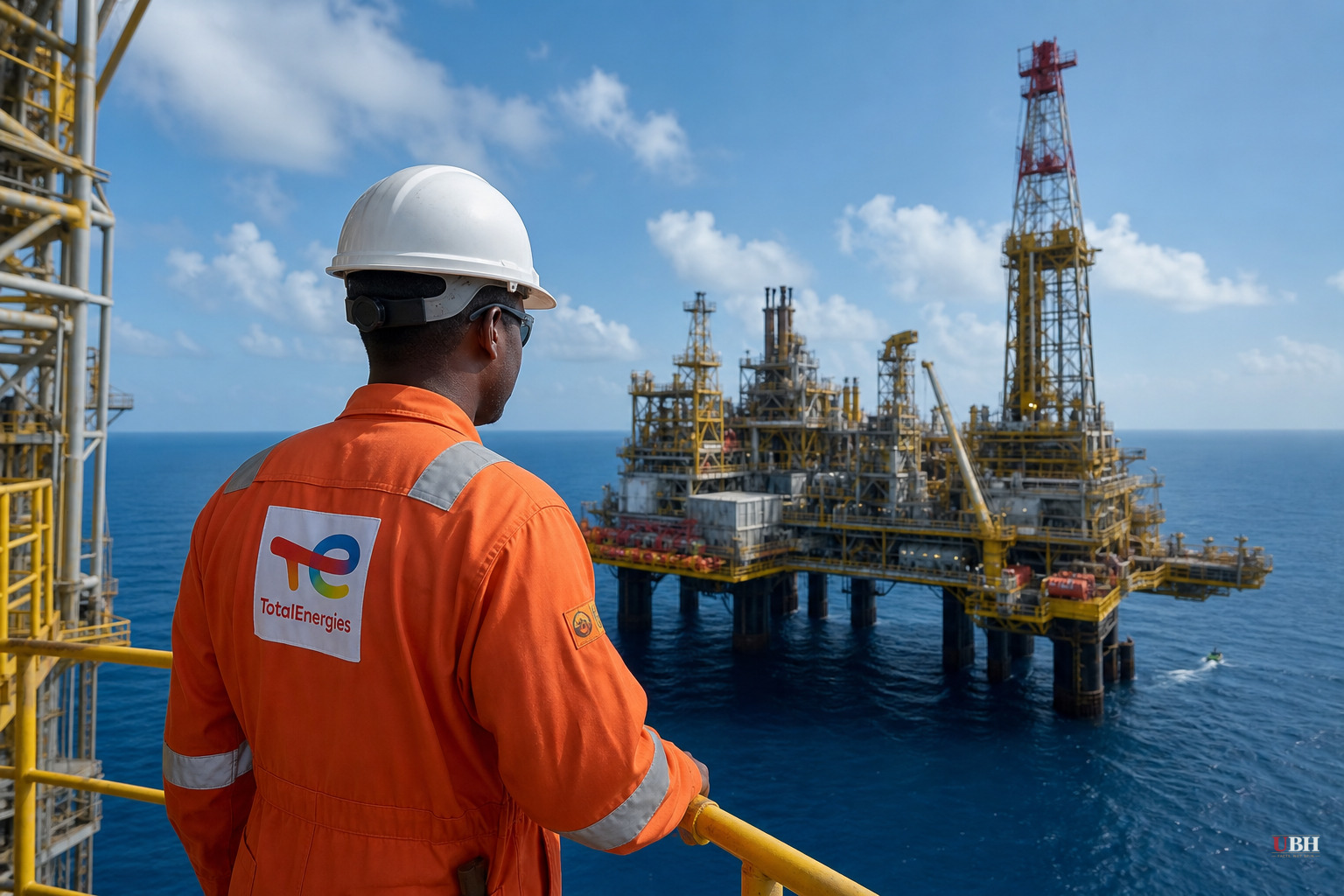
Suriname spent years watching neighbor Guyana get rich off offshore oil while its own version of the same discovery kept stalling. That's changing, though not overnight, and not without real risk still on the table.
TotalEnergies, which operates offshore Block 58, approved a final investment decision on the GranMorgu project alongside partner APA Corporation, according to OilPrice.com. The project targets the Sapakara and Krabdagu discoveries, which hold an estimated 760 million barrels of recoverable crude. First oil is expected in 2028.
This took longer than it should have. Exploration in Block 58 began with the Maka Central-1 well in 2020, and by 2022 the operators were dealing with mismatched drilling results and seismic data, plus a gas-to-oil ratio that complicated the economics. A resource this size sat undeveloped while Guyana next door was already pumping and banking billions.
Who owns what now
The ownership structure shifted as part of the FID. TotalEnergies holds 40%, APA Corporation holds 40%, and Suriname's state oil company Staatsolie picked up the remaining 20%, exercising rights it holds under the production-sharing contract for the block.
Staatsolie didn't pay cash it didn't have. It financed its stake with a $1.6 billion loan from a banking consortium plus a bond issued in March 2025. That's leverage, not free money, and it means Staatsolie's eventual earnings from GranMorgu will first have to cover debt service before Paramaribo sees the full upside.
Why Suriname needs this badly
This isn't a country flush with options. Suriname has been in an economic crisis since 2021, a crisis severe enough that protesters stormed parliament and rioting hit parts of the capital in 2023. A $26 billion fiscal windfall, even spread out over the life of the project, would be transformative for a nation that small.
The floating production, storage and offloading vessel TotalEnergies is building for GranMorgu will have capacity for 220,000 barrels a day once complete. The company says it's designing the FPSO to run all-electric with energy optimization and emissions monitoring, and it's building in the ability to connect to satellite fields later so the vessel keeps working after the initial reservoirs drain.
The Middle East angle, and why it matters less than it sounds
OilPrice.com frames this story partly around the U.S. conflict with Iran and the resulting disruption risk around the Strait of Hormuz, through which roughly a fifth of world oil and gas supply moves. Higher prices and supply anxiety tied to that chokepoint make any new non-Middle East barrel more valuable, and that's a fair point. GranMorgu's timeline was set by drilling and engineering realities years before this year's tensions, and first oil in 2028 will land whenever the current disruption is history. The geopolitics is context, not the cause.
The fairest skeptical read is this: 2028 is still a long way off, oil projects of this scale routinely slip, and Staatsolie is carrying real debt to fund its stake. Fiscal windfalls projected years in advance have a way of shrinking once actual production, prices, and costs are known. Suriname's government would be smart to plan for a number meaningfully below $26 billion rather than banking on the headline figure.
Still, the difference between a stalled prospect and an approved, financed, under-construction project is enormous, and Suriname has now made that jump. Guyana's experience next door, where oil revenue reshaped the national budget within a few years of first production, is the model Paramaribo is betting on.
What happens between now and 2028 is the real test. Construction and installation of the FPSO, drilling of the production wells, and Staatsolie's ability to service its new debt while the project is still pre-revenue are the concrete milestones to watch. TotalEnergies has not published a public construction schedule with interim benchmarks, so the next verifiable checkpoint will be whichever company or government update confirms the FPSO is on track for the 2028 target.
Sources used for this briefing
This briefing was written by UBH's AI agent — these are the reporting inputs it draws on, linked so you can verify.


