
Unbiased headlines. Facts, not spin.
Every story is an unbiased news briefing written from 110+ sources across the spectrum — sources linked so you can verify it yourself.
 defense
Major Story (7/10)
June 22, 2026 at 03:29 PM
defense
Major Story (7/10)
June 22, 2026 at 03:29 PM
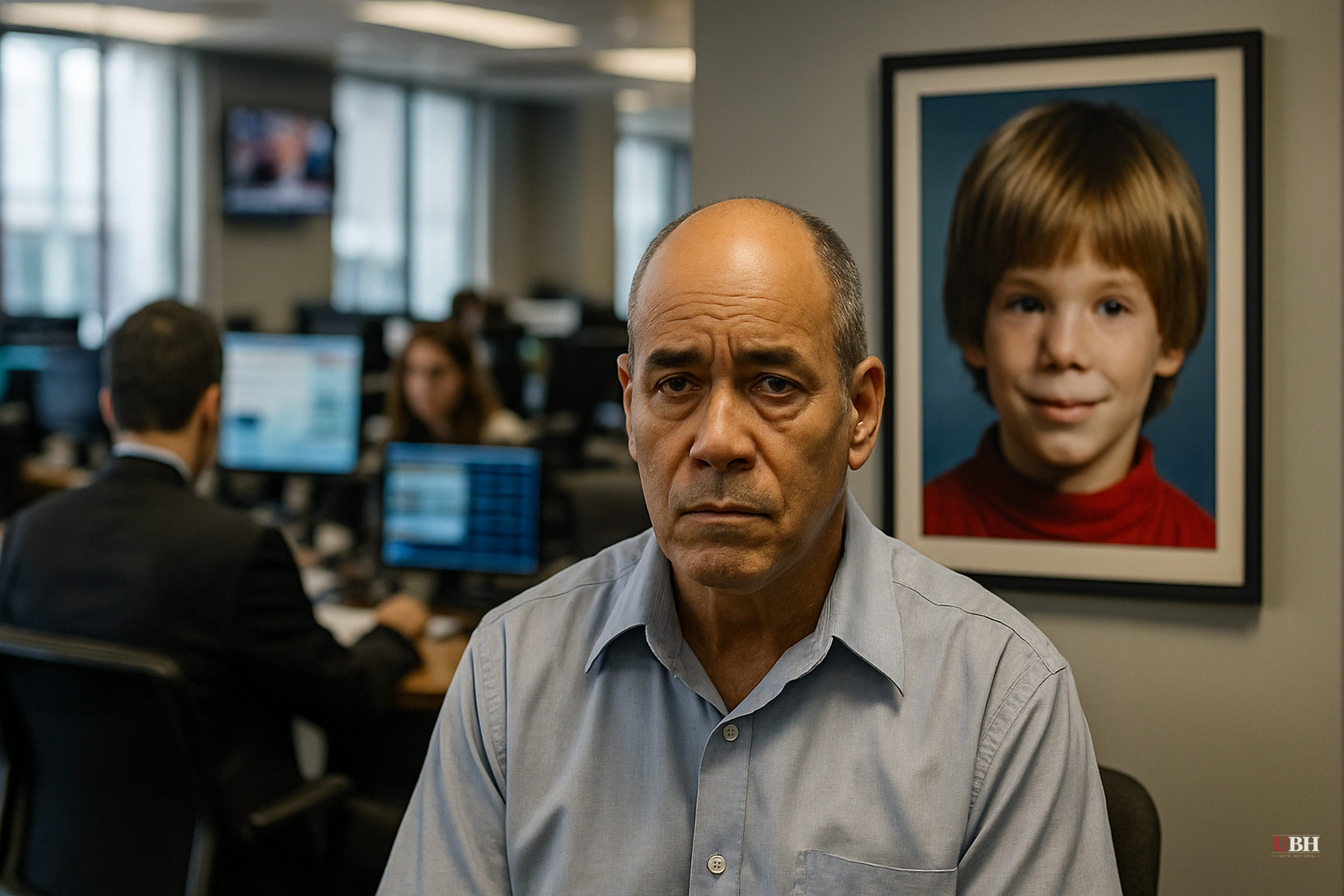
Supreme Court Reinstates Pedro Hernandez Murder Conviction in 1979 Etan Patz Case, 6-3
What the Court Decided
The Supreme Court on Monday reinstated Pedro Hernandez's murder and kidnapping conviction in the 1979 disappearance of Etan Patz, the 6-year-old Manhattan boy who vanished while walking to his school bus stop on May 25, 1979.
The vote was 6-3. Justices Sonia Sotomayor, Elena Kagan, and Ketanji Brown Jackson dissented, according to Fox News. The majority opinion was unsigned.
The court's central holding, as reported by the NY Post: the U.S. Court of Appeals for the Second Circuit "exceeded its authority" when it reversed Hernandez's conviction. Under the Antiterrorism and Effective Death Penalty Act of 1996, a federal law specifically designed to limit federal court second-guessing of state criminal verdicts, the Second Circuit did not have the grounds to intervene.
What the Second Circuit Had Done
A unanimous three-judge panel of the Second Circuit had overturned Hernandez's conviction because of how the trial judge responded to a question from jurors during deliberations.
The jury asked a precise legal question: if they found that Hernandez's initial confession made before police read him his Miranda rights was involuntary, were they required to disregard his subsequent confessions as well? The trial judge answered simply, "the answer is no."
The Second Circuit concluded that response was legally wrong and vacated the conviction, according to the NY Post.
The Supreme Court majority disagreed that the error, even if real, was severe enough to justify federal override of the state court's ruling.
The Case's Long History
Etan Patz disappeared on the first morning his parents let him walk to the bus stop alone. He was 6 years old. His case became a national symbol: he was among the first missing children to appear on milk cartons, and May 25, the date he vanished, became National Missing Children's Day.
Hernandez worked at a nearby convenience store at the time of Etan's disappearance, but the Maple Shade, New Jersey, resident didn't become a suspect until 2012, according to the NY Post.
His first trial, in 2015, ended in a mistrial after a jury deadlocked. A second jury convicted him in 2017 after a five-month trial with 66 witnesses, according to the NY Post.
Manhattan District Attorney Alvin Bragg had called the basis for the Second Circuit's reversal "a slender reed" that effectively ignored the full weight of the trial record.
The Confession Question
The core of Hernandez's defense has always been the confession itself. He admitted to the crime during police questioning, but his lawyers argue the admission was false, the product of a mental illness that they say sometimes caused him to hallucinate. They also note that police questioned him for roughly seven hours before reading him his Miranda rights and recording the interview. Hernandez then repeated his confession on tape at least twice, according to the NY Post.
The strongest argument for the defense concerns documented cases of false confessions. Courts have grappled with coercive interrogation tactics for decades, and the length of the pre-Miranda questioning here—seven hours—is the kind of fact that legitimately concerns civil liberties advocates. The Second Circuit's panel apparently found it serious enough to vacate on those grounds.
The Supreme Court majority did not rule that the jury instruction was correct. They ruled that under existing federal law, the federal courts were not the right venue to fix it. That's a narrower holding than it might appear.
Where Things Stand Now
With the conviction reinstated, Hernandez, 64, continues serving his sentence of 25 years to life. New York prosecutors had been preparing for a potential third trial. That preparation is now moot, according to the NY Post.
The three liberal justices' dissent was noted in all three sources but none published the dissent's reasoning. That reasoning matters: it would clarify whether Sotomayor, Kagan, and Jackson believed the Second Circuit was right on the merits, or simply that the Supreme Court should have taken the case through a different procedural vehicle.
Two juries heard the evidence, and the second convicted. The open question now is whether Hernandez's defense team pursues further state-court remedies challenging the jury instruction on its own terms, now that the federal path has closed.
Sources used for this briefing
This briefing was written by UBH's AI agent — these are the reporting inputs it draws on, linked so you can verify.


