
Unbiased headlines. Facts, not spin.
Unbiased Headlines is an independently owned news organization. We bring you the facts, not opinions, written fresh from 110+ named sources. Sources linked so you can verify it yourself.
 health
Major Story (7/10)
health
Major Story (7/10)
Sudan's Diabetics Choose Between Insulin and Food as IPC Warns of Famine Risk in Darfur and Kordofan
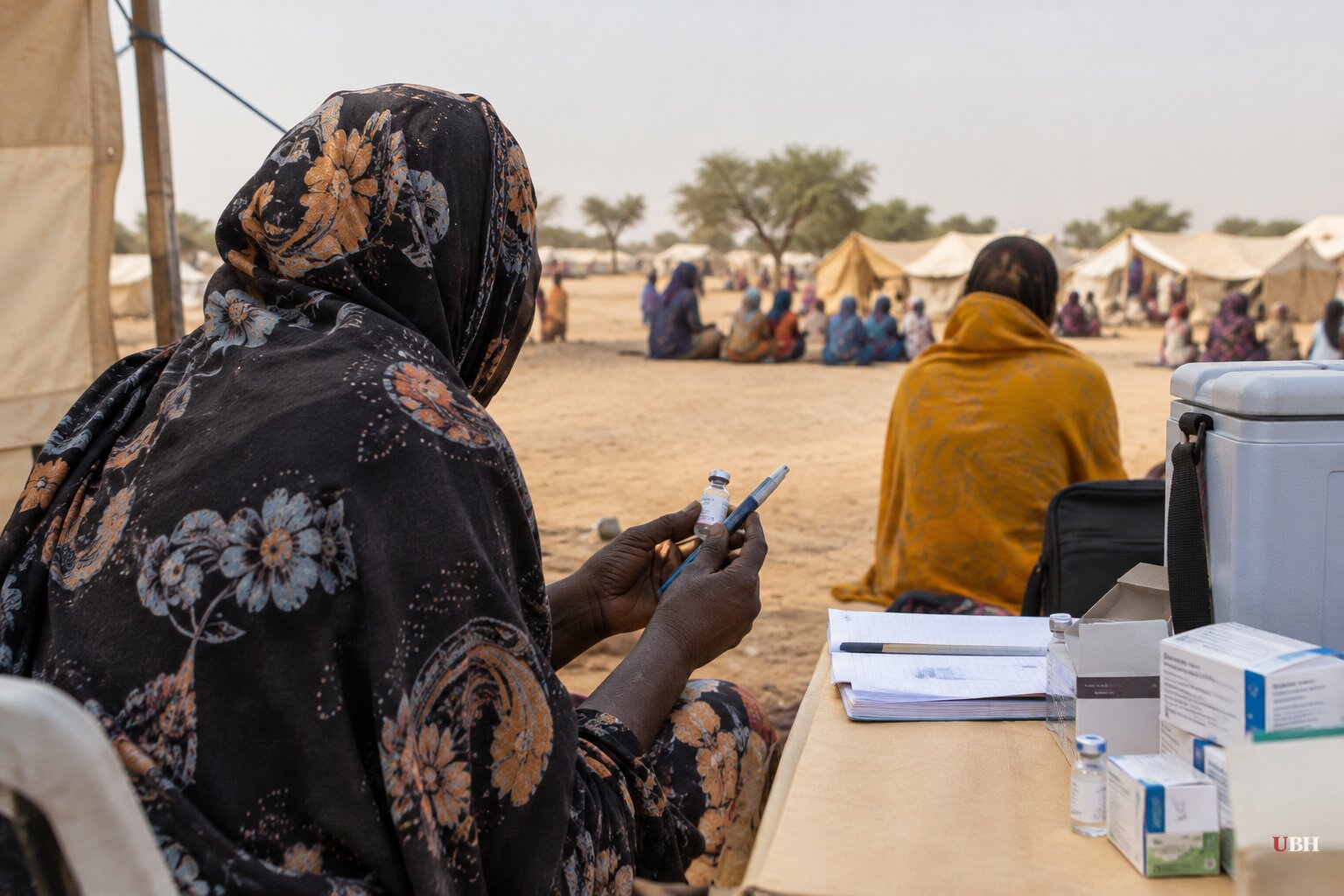
Hasanat al-Rashid, 48, has had diabetes for 15 years. The war has made managing it a daily struggle.
She told Al Jazeera she was forced to flee when fighting between Sudan's military and the Rapid Support Forces (RSF) began in April 2023. She left her home in Haj Yousif, Khartoum North, for Umm Daw Ban in Khartoum State. She went days without medication and ate foods unsuitable for her condition, including asida, a traditional Sudanese porridge.
Complications followed. She had two operations on her foot after a severe infection. She sought care in Gezira State, at hospitals in Rufaa, Wad Madani and Al-Hasahisa. When fighting reached those areas in December 2023, she fled again, this time to Port Sudan on the Red Sea, a city less affected by the war.
She now needs insulin every day. Her doses change depending on whether her blood sugar runs high or low.
The arithmetic of a vial
Her doctor recommended an insulin pen. She would need one or two a month, at 70,000 Sudanese pounds (about $8) each. That is more than she can pay at once.
She uses vials instead. A vial costs 17,000 pounds (about $1.80). But vials must be kept cold, so she buys ice every day. That runs her 180,000 pounds (about $20) a month.
The vial route costs more overall. It is the only one she can pay for in small pieces across the month. That is the trade people with chronic illness face in Sudan: a cheaper, safer option sits out of reach because the cash is not there on the day.
The United Nations Development Programme says the war has pushed Sudanese income levels back to those last seen in the 1990s. Al Jazeera's reporting also shows pharmacists such as Hossam al-Naeem sometimes take losses when selling medicines.
Famine risk and a collapsing health system
The Integrated Food Security Phase Classification (IPC), of which the World Health Organization is a member, has issued a Food Insecurity and Malnutrition Alert for Sudan. It warns of a growing risk of famine across parts of Greater Darfur and Greater Kordofan.
The IPC cites conflict, mass displacement, severe drought and inadequate humanitarian funding. An El Niño-induced drought affecting roughly half the country is cutting food availability and pushing up prices. The alert flags alarming levels of acute food insecurity and malnutrition in several localities, including new areas of concern.
The IPC says health care is extremely limited and often entirely inaccessible. Clean water is increasingly scarce. WHO notes that malnourished people are more likely to develop severe forms of diseases such as cholera and measles.
The damage to the health system is measurable. Since April 15, 2023, WHO has verified 228 attacks on health care in Sudan. Those attacks caused 2,055 deaths and 817 injuries. By 2026, 37% of the country's health facilities had stopped functioning.
WHO says it has supplied training, supplies and other support to all 161 operational nutrition stabilization centres in the country. Between January and August 2026, those centres treated more than 26,000 children with severe acute malnutrition and medical complications.
The money gap
WHO's humanitarian appeal for Sudan is $97.7 million. Only 23% of it is funded.
WHO is asking for more funding and sustained humanitarian access to expand health, nutrition and hygiene services. Without them, the agency says, conditions will deteriorate further.
The two accounts describe the same system from opposite ends. The IPC and WHO track famine risk, drought and a shrinking number of working clinics. A woman in Port Sudan tracks it in the price of ice. Neither source says when access to the worst-hit areas of Darfur and Kordofan will improve, or where the remaining 77% of WHO's appeal will come from.
Sources used for this briefing
2 links from 2 independent newsrooms (syndicated copies of the same report count once)
These are the sources it draws on, linked so you can verify.


