
Unbiased headlines. Facts, not spin.
Unbiased Headlines is an independently owned news organization. We bring you the facts, not opinions, written fresh from 110+ named sources. Sources linked so you can verify it yourself.
 health
Low Interest (4/10)
Event date: October 16, 2026 ·
health
Low Interest (4/10)
Event date: October 16, 2026 ·
Magnesium Supplement Brain Claims Rest on Rat Studies and Small Human Trials
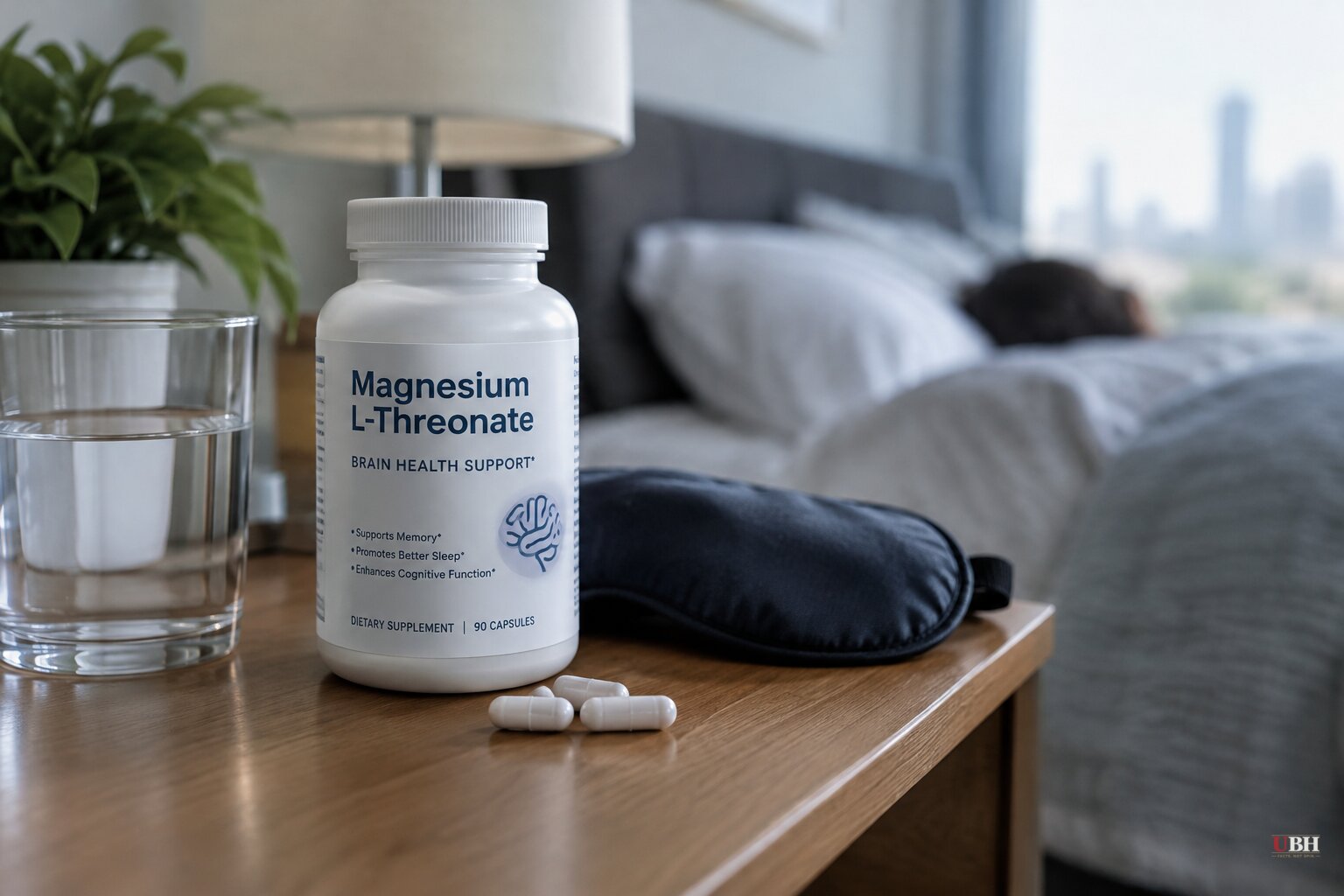
Magnesium is everywhere on supplement shelves, sold for sleep, stress and focus. The pitch gets more specific and more expensive when a label claims a particular form of magnesium will go "right to your brain."
The human evidence for that claim is thin.
What the body does with magnesium
Each person carries about 25 grams of magnesium, with more than half stored in bone. The rest sits in cells, where it takes part in hundreds of reactions, including building DNA and proteins and sending nerve signals.
Needing magnesium is not the same as benefiting from more of it. In a pill, magnesium comes bound in a salt that has to dissolve before the body can use it. How much gets absorbed depends on the dose, what is in your stomach and how much magnesium you already have. The higher the dose, the smaller the share absorbed.
The cheapest pills are usually magnesium oxide, which does not dissolve easily. Mostly it works as a laxative, pulling water into the intestines to flush out the excess.
The National Institutes of Health Office of Dietary Supplements says the aspartate, citrate, lactate and chloride forms are absorbed more completely than oxide and sulfate. Oxide is common, the Tech Times review of that guidance notes, because it is cheap to make and high in elemental magnesium by weight, not because it performs best. Lab tests have shown citrate with the highest bioavailability.
Where the brain claim comes from
The brain-targeting pitch traces to magnesium L-threonate. One rat study found it raised magnesium in the brain and improved some measures of learning and memory. Those animal experiments typically gave magnesium over a long period at doses higher than a pill delivers.
Biogena, a supplement maker that sells a branded version called Magtein, says scientists at MIT developed the compound to raise brain magnesium levels. The company says animal models showed that effect and that "initial human studies" point to benefits for memory, attention, learning and sleep. Its product contains 2,000 mg of Magtein, of which 155 mg is pure magnesium.
The company's own wording is cautious: the compound's effects are "being researched." Wired's reporting on the human work is blunter. A few small randomized trials have reported gains on some cognitive or sleep tests, but some tested mixtures of ingredients, ran only a few weeks or looked at very few outcomes.
The newest L-threonate sleep trial
A trial published in Sleep Medicine: X, reported this week, is the latest entry. Researchers at Wellness Discovery Labs in the United States enrolled 80 adults aged 35 to 55 with mild to moderate insomnia symptoms on the Insomnia Severity Index but no diagnosed sleep disorder.
They excluded people on sleep medicines or other supplements, regular smokers, heavy caffeine users, shift workers and people with recent time-zone travel or major stressful events.
Participants taking magnesium L-threonate reported better "behaviour following awakening," a measure covering morning alertness, coordination and balance. The improvement showed up after one week and persisted to the end of the trial.
The caveats came with the findings. The study was short and small, and it found a strong placebo effect: many participants improved without taking the active supplement. The results are not proof the supplement treats insomnia, and the tight exclusion criteria mean they should not be applied directly to people with chronic insomnia.
What a different form showed
A randomized, double-blind, placebo-controlled trial published in 2026 in Nature and Science of Sleep tested a different product. It enrolled 155 adults aged 18 to 65 with poor sleep quality. They took either 250 mg of elemental magnesium as magnesium bisglycinate plus 1,523 mg of glycine, or a placebo, nightly for four weeks.
The magnesium group's Insomnia Severity Index score fell 3.9 points. The placebo group's fell 2.3 points. The gap cleared the conventional statistical threshold barely (p = 0.049), with a small effect size (Cohen's d of 0.2).
Improvement of 6 points or more, the trial's bar for clinically meaningful, occurred in roughly 19% of the magnesium group versus 11% of the placebo group. The effect was stronger in people with lower dietary magnesium at the start. The supplement showed no measurable effect on stress, mood, fatigue or daytime sleepiness.
That last result cuts against the broad wellness pitch. A trial that moved a sleep score slightly in one population, with one form and dose, says nothing about anxiety, cramps or the other benefits attached to magnesium in casual health content.
What buyers can take from it
The gap between the rodent data and the label copy is the core issue. Nothing in the human trials described here shows magnesium from a pill concentrating in a person's brain. The two sleep trials relied on questionnaire scores, and the L-threonate trial reported strong placebo responses.
Magnesium is not a scam. Bodies need it, and the bisglycinate trial found a real, if modest, result in a specific group. Whether a branded, pricier form beats a well-absorbed generic one in people is the open question. Answering it would take larger, longer trials that include people with chronic insomnia and that compare forms head to head.
Sources used for this briefing
4 links from 3 independent newsrooms (syndicated copies of the same report count once)
These are the sources it draws on, linked so you can verify.


