
Unbiased headlines. Facts, not spin.
Unbiased Headlines is an independently owned news organization. We bring you the facts, not opinions, written fresh from 110+ named sources. Sources linked so you can verify it yourself.
 health
Low Interest (4/10)
Event date: October 15, 2026 ·
health
Low Interest (4/10)
Event date: October 15, 2026 ·
Labor and Coalition Block Senate Bill Banning Shackling in Childbirth, Days After Queensland Case
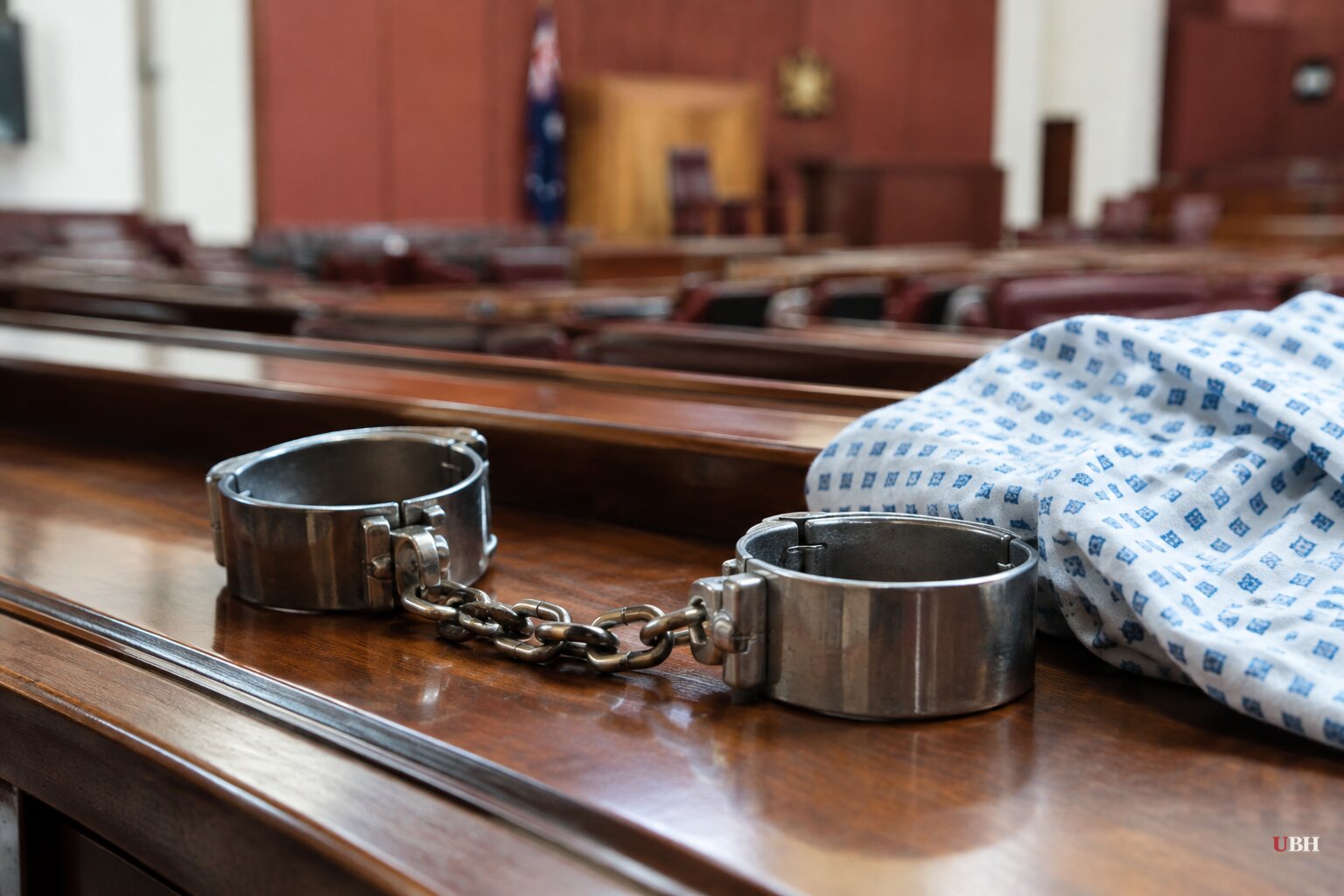
A bill to ban the shackling of women during labour and childbirth will not get a vote in the Australian Senate. Labor and the Coalition have both refused to support it.
Independent Senator Lidia Thorpe introduced the bill this week alongside a second one to stop children being strip-searched. A Senate inquiry had recommended rejecting the shackling bill the week before.
The Queensland case
The decision to block the bill came days after a case in Queensland. Debbie Kilroy, chief executive of the advocacy group Sisters Inside, said an Aboriginal woman gave birth by caesarean section to a premature baby on the weekend before the bill was blocked. She said the woman had been "shackled on and off since she came into the hospital."
Kilroy said hospital staff called her organisation after failing to get prison staff to remove the restraints. "They were even crying because prison staff wouldn't remove the shackles," she said. She said the woman's health deteriorated while restrained and that the shackles came off on Friday.
"Mum wasn't running anywhere, mum wasn't being violent," Kilroy said.
A Queensland corrective services spokesperson confirmed a woman had been shackled while in labour. The spokesperson said the incident would go to internal review, because restraints are "only ever to be used as a last resort on pregnant prisoners where necessary to maintain public safety."
The department has not said what the review will examine or when it will report. Kilroy's account of the hospital staff's reaction and the woman's condition is her own and has not been independently confirmed.
Why the bill is stalled
The federal government's position is that the criminal justice system is the responsibility of the states and territories. Prisons and prison transfers are run by state corrective services, as the Queensland case shows.
The Coalition said it "understands the intent" of the bill but would not support it. With both major parties opposed, the bill will not proceed to a vote.
Thorpe rejects the federalism argument. "The Commonwealth has clear constitutional powers to establish national minimum standards to protect children and people in custody," she said. "People need to realise that is a political choice, not a legal barrier." She said the two parties' "shameful choice will mean that more women, children and babies will be harmed."
The Greens backed her. Greens leader David Shoebridge said: "The Labor party and the Coalition come in here and say it's a matter for states and territories. If they want to shackle women to a bed while they're giving birth, we'll just let them do that."
A Liberal breaks ranks
Queensland Liberal Senator Paul Scarr also supported the push, breaking with his own party. He told the Senate he was "deeply concerned" and had only recently learned the practice occurs across the country.
Scarr said Australia and every UN General Assembly member unanimously adopted the Bangkok Rules in 2010. Those rules say prison should be a last resort for pregnant women. They also say "instruments of restraint shall never be used on women during labour, during birth and immediately after birth."
"This vote shouldn't be an end to this matter," Scarr said. He said he would raise the practice with the Queensland attorney-general.
What the inquiry recommended
The Senate inquiry recommended against passing the bill. It did recommend that the Commonwealth "consider appropriate pathways to engage with States and Territories" on the issues raised.
It also recommended that the federal government work with the Australian Institute of Health and Welfare and the states and territories to collect data on how many women are pregnant or give birth in custody each year. That number is not currently published.
Some jurisdictions already have policies restricting or prohibiting shackling. Thorpe has argued those guidelines "often create exemptions which lead to the person in question being shackled anyway." An inquiry hearing heard of women restrained by one arm and one leg, leaving one arm free to hold a newborn.
Thorpe said the Albanese government "had the opportunity to take a stand" and "instead, they voted to allow it to continue." Not long after, she said, "we hear of another harrowing case."
What happens next
The Queensland internal review is the one concrete process now under way. Its findings, and whether any are made public, will show how the state's "last resort" rule worked for a woman in labour.
Scarr's approach to the Queensland attorney-general is the other open step. Whether Canberra pursues the data collection the inquiry recommended is undecided. The government has not said it will.
Sources used for this briefing
4 links from 3 independent newsrooms (syndicated copies of the same report count once)
These are the sources it draws on, linked so you can verify.


