
Original briefings. Zero spin.
Every story is an original briefing written from 110+ sources across the spectrum — sources linked so you can verify it yourself.
 energy
Notable (6/10)
September 6, 2026 at 05:20 AM
energy
Notable (6/10)
September 6, 2026 at 05:20 AM
Sudan's Collapsing Power Grid Forces Families Into a $5,000 Solar Gamble Most Can't Afford
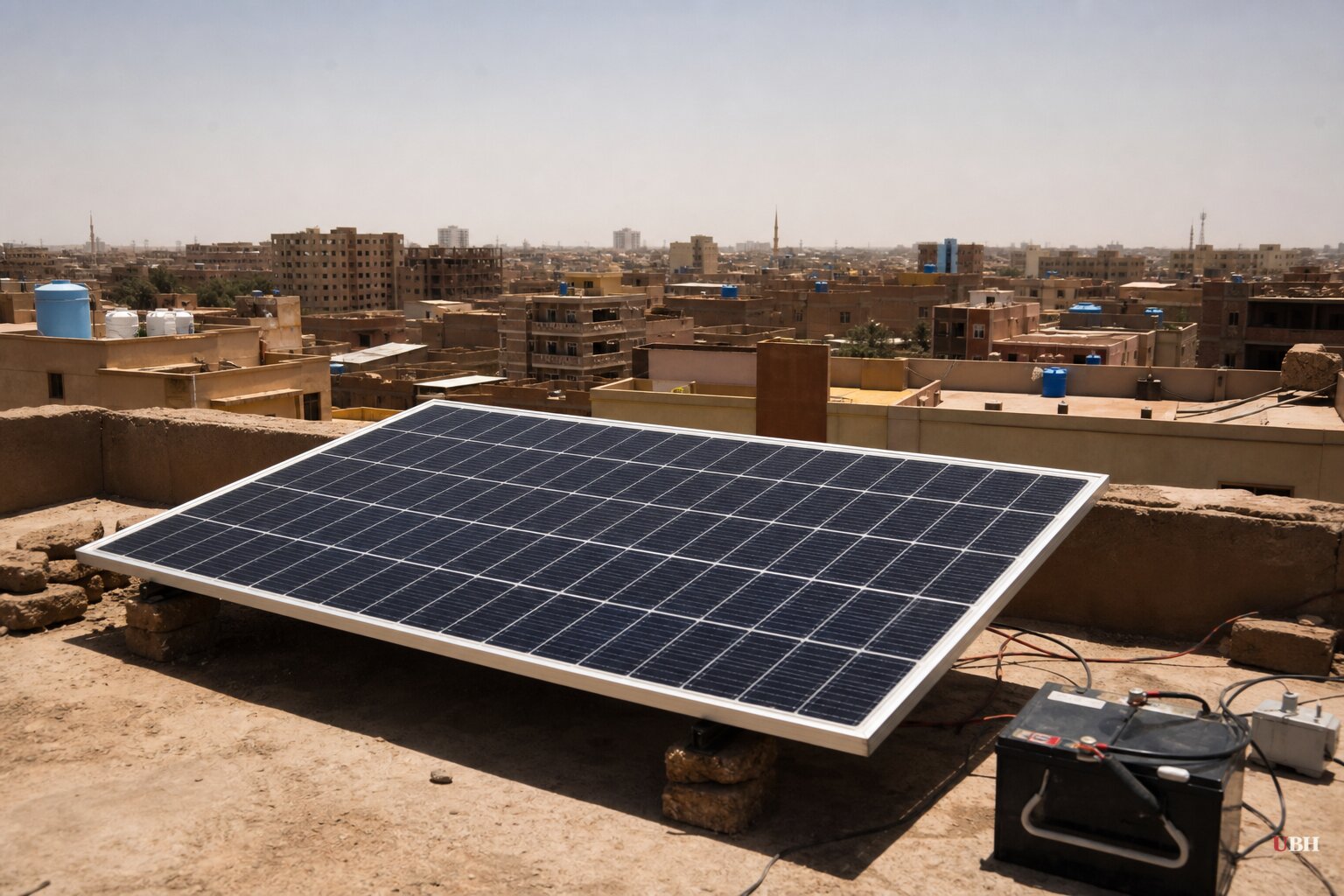
Randa al-Mansour hasn't had reliable grid power in almost a year. The 31-year-old housewife in Omdurman, just outside Khartoum, keeps her family running on rooftop solar panels because the alternative is nothing.
"We are suffering big time," al-Mansour told The Associated Press. "When kids arrive at school in the morning, they find no electricity there, so they are forced to head back home, where there is none either."
Sudan has been at war since April 2023, when the Sudanese military and the paramilitary Rapid Support Forces turned on each other. The fighting has killed at least 59,000 people, according to the AP, though aid groups say the real number is likely higher. Some 13 million people have been displaced.
The war has gutted the country's power infrastructure. The United Nations Development Program puts the damage to Sudan's electricity grid at $3 billion. Outages in grid-connected urban areas now stretch up to 16 hours a day in many parts of the country, according to two electricity department officials who spoke to the AP.
Solar Panels Everywhere, Affordable to Almost No One
Billboards advertising solar panels, batteries and inverters have multiplied across Khartoum in recent months as residents look for any way off the failing grid.
Mohey Eddin Abu-Bark, who owns a solar systems business in the capital, said a typical household 10-kilowatt system runs nearly $5,000. "For a low-income family, installing a solar panel system is a huge sacrifice but an inevitable choice," he told the AP.
Al-Mansour can afford solar only because her husband works in Saudi Arabia and sends remittances home. Most Sudanese don't have that option.
When the Power Goes, Medicine Goes With It
Manahel Madany, a 43-year-old diabetic civil servant in Omdurman, is one of the ones who can't afford to switch. She needs steady refrigeration for her insulin and doesn't have it.
"Every three to four days, I am forced to throw away all my insulin stock after it goes bad due to heat and power outages," Madany said. She lives with her mother and sister in a two-bedroom house, and the three of them now sleep in the courtyard just to escape the heat indoors.
"Not all pharmacies can afford to install solar panels for medical storage, and that's why most medications have become unavailable," she said.
The Sudan Doctors' Network, which tracks violence and its effects across the country, has warned that ongoing blackouts threaten hospital patients broadly, especially kidney patients who depend on machines that need constant, uninterrupted power.
At least 30% of Sudan's population has zero access to electricity, according to the World Bank, with rural areas bearing the worst of it.
Electricity production has dropped from 4,400 megawatts before the war to 1,100 megawatts, as many power plants were hit by drones launched by the RSF, according to the two electricity department officials. Nearly half of Sudan's best electricity engineers and technicians have also left the country since 2023, the officials said, citing a survey by a local labor union.
Private markets are stepping into a vacuum where a weakened power infrastructure cannot function. Entrepreneurs like Abu-Bark are selling solar systems to anyone who can scrape together the cash. But a $5,000 price tag is out of reach for the vast majority of a population already devastated by war, mass displacement and a body count that keeps climbing. Solar isn't a policy solution here. It's a lifeline for the small slice of Sudanese who can afford one, and a reminder to everyone else that they can't.
Sudan has limitless potential to generate solar energy given long hours of sunshine that often exceed 4,000 hours a year, according to the U.N. But the high upfront cost of imported solar systems, combined with a depreciating local currency, is keeping that potential out of reach for most.
None of the reporting on this story, from AP wire copy that ran largely unchanged across The Independent, Yahoo News, WRAL and La Nación, identifies any large-scale international subsidy program, government rebuild effort, or NGO initiative aimed at getting solar to Sudan's poorest households. The UNDP's $3 billion damage estimate for the grid stands without a matching reconstruction plan in any of the coverage.
With fighting between the Sudanese military and the RSF ongoing since April 2023, rebuilding the national grid isn't happening anytime soon. Until it does, the country's power supply runs on whoever can afford a rooftop panel, and whoever can't is left throwing away insulin every few days.
Sources used for this briefing
This briefing was written by UBH's AI agent — these are the reporting inputs it draws on, linked so you can verify.


