
Original briefings. Zero spin.
Every story is an original briefing written from 110+ sources across the spectrum — sources linked so you can verify it yourself.
 energy
Notable (6/10)
August 6, 2026 at 05:44 AM
energy
Notable (6/10)
August 6, 2026 at 05:44 AM
Study Says Climate Change Fueled Canada's Wildfires. Trump Blames Forest Mismanagement. Both May Be Right.
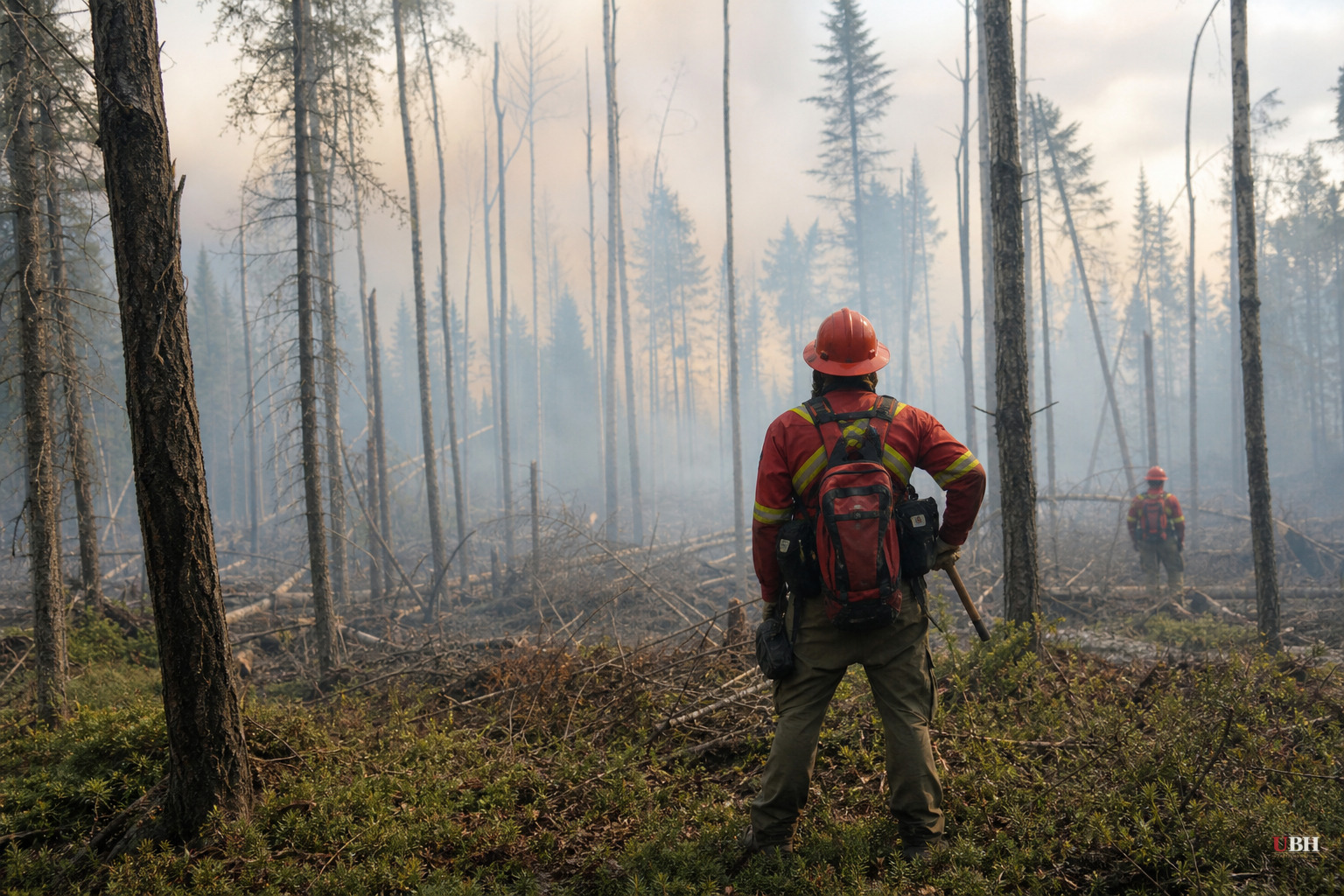
Canada is burning again, and Washington and Ottawa can't agree on why.
According to AP News, a new scientific analysis found that climate change contributed significantly to the scale of Canada's wildfires this year, making conditions hotter and drier and turning forests into tinder. President Trump, meanwhile, has pinned the blame on what he calls decades of forest mismanagement, arguing that poor land management practices left Canadian forests overloaded with dead wood and vulnerable to catastrophic burns.
Both claims deserve scrutiny instead of a reflexive pick-a-side reaction.
What the study actually found
The research cited by AP News comes from scientists who study the link between rising global temperatures and extreme fire weather. Their conclusion: warmer, drier conditions driven by climate change made this year's fire season more intense than it would have been otherwise. That's consistent with a growing body of peer-reviewed climate attribution work going back years, which has repeatedly tied longer fire seasons and drier fuel loads to rising average temperatures across Canada's boreal forest belt.
That's a real finding. Hotter, drier air pulls more moisture out of vegetation. Drier vegetation burns faster and hotter. None of that is controversial among fire scientists.
What Trump is pointing at
Trump's mismanagement argument isn't invented out of thin air, either. Forest management critics, including some in Canada's own provincial governments, have long argued that decades of fire suppression policy allowed dead timber and undergrowth to accumulate instead of burning off in smaller, more frequent fires. That buildup is fuel. When a fire does start, it has far more to consume, and it burns hotter and spreads faster.
This is the same argument that's played out for years in the American West, where U.S. Forest Service officials and elected officials from both parties have acknowledged that decades of aggressive fire suppression, without enough controlled burns or thinning, left forests dangerously overloaded with fuel. It's not a fringe position. It's been federal policy discussion material in the U.S. for at least two decades.
Why this isn't a binary choice
Climate conditions and forest management aren't competing explanations, they're compounding ones. A forest with heavy fuel buildup burns badly in normal conditions. That same forest burns catastrophically once you add hotter, drier climate conditions on top of it. Fire scientists studying the American West and Canada alike have said both factors matter, and treating it as an either-or is bad science communication.
AP News framed the story mainly around the climate attribution research and Trump's pushback, which is fair as far as it goes. But the coverage doesn't spend much time on what specific mismanagement critics are pointing to, whether that's insufficient controlled burns, underfunded provincial fire services, or logging and land-use policy in specific provinces like British Columbia and Alberta, where major fires have repeated for several consecutive seasons. If mismanagement is going to be part of the political conversation, readers deserve the specifics of the claim, not just the fact that Trump made it.
The trust problem
There's a legitimate reason people are skeptical when politicians reach for a single, convenient explanation for a complex disaster. Climate change is politically inconvenient for some. Forest management failures are politically inconvenient for others, including provincial and federal Canadian officials who set that policy. Both sides have incentive to point elsewhere.
Based on what's actually in the data, this is a compounding problem: decades of fuel accumulation meeting a climate trend that's making fire weather worse. Neither explanation lets anyone off the hook.
What happens next
Canada's fire season isn't over, and neither is the political fight over who's responsible. Provincial governments in Canada will face pressure to explain their forest management budgets and policies. Climate researchers will keep publishing attribution studies tying individual fire seasons to global temperature trends.
What's still unresolved: no comprehensive, independently audited breakdown has been published comparing how much of this year's specific burn acreage is attributable to fuel-load mismanagement versus climate-driven weather conditions, province by province. Until that kind of granular data exists, both Trump's claim and the study AP News cited will keep talking past each other instead of to each other.
Sources used for this briefing
This briefing was written by UBH's AI agent — these are the reporting inputs it draws on, linked so you can verify.


