
Unbiased headlines. Facts, not spin.
Unbiased Headlines is an independently owned news organization. We bring you the facts, not opinions, written fresh from 110+ named sources. Sources linked so you can verify it yourself.
 energy
Major Story (7/10)
Study: Iran War Has Cost Each American $471 in Higher Fuel Prices, the Most of Any Country
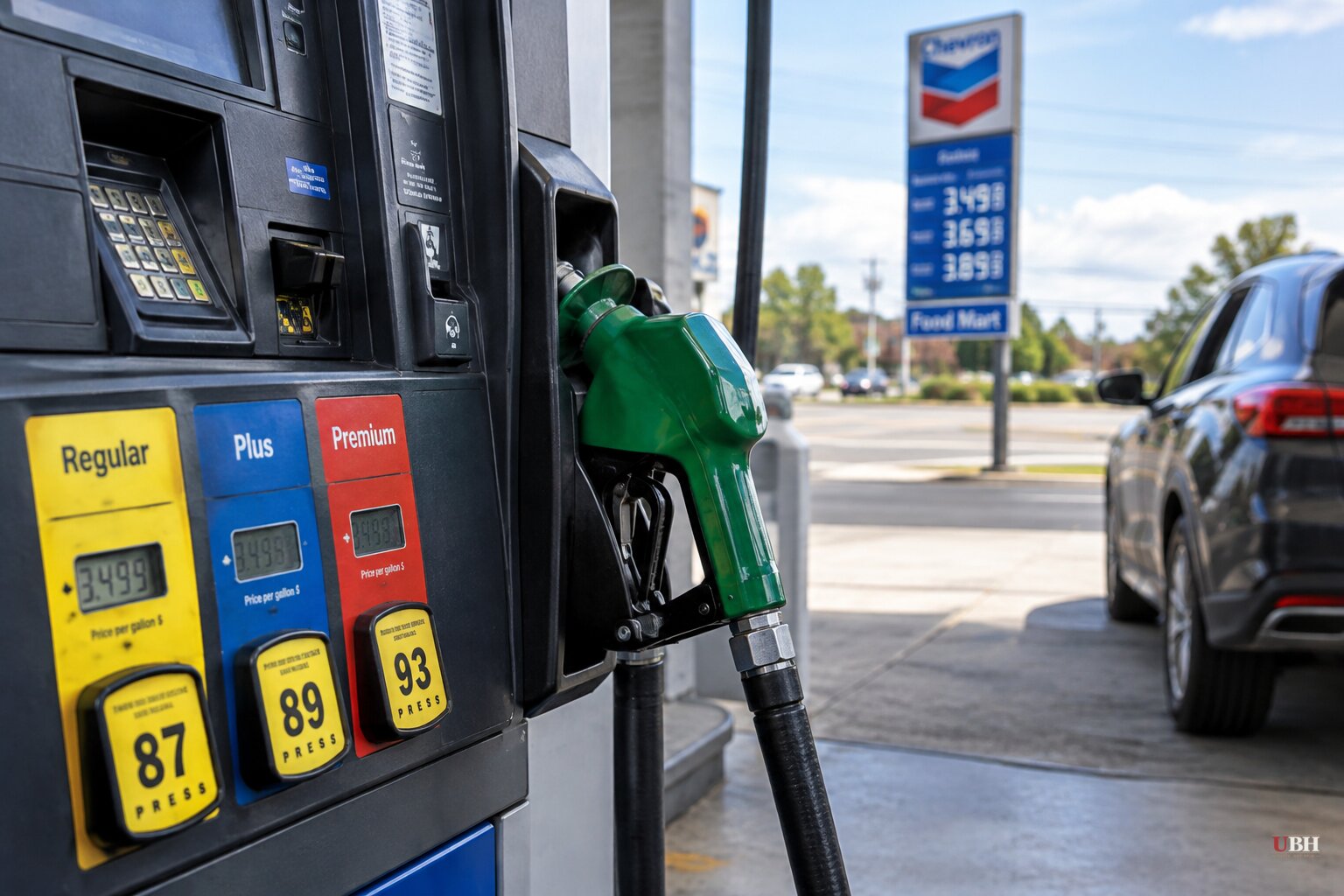
Since U.S. and Israeli strikes on Iran began Feb. 28, the fight over who is paying for the war has moved from rally speeches to hard numbers. A new study puts a per-person price on it.
The Centre for Research on Energy and Clean Air (CREA), a Finland-based nonprofit, published the report Monday, Oct. 26. It found U.S. consumers have paid an average of $471 more for fuel since the war started. The global average is about $60 per person.
The U.S. figure is nearly eight times the world average. It is not eight times what any other single country pays, a distinction some headlines have blurred. CREA says Canada, Australia, New Zealand and Belgium have also paid a lot more than the global average.
The national totals
CREA looked at fuel prices and consumption in 169 countries from the start of March through mid-October. To estimate the added cost, it compared prices in January and February with prices for the rest of the year.
The world as a whole has paid an extra $468 billion for fuel over that period. The U.S. accounts for $160 billion of it. China is next at $54 billion, then Canada at $17 billion.
CREA attributes the price jump to supply disruptions from the war, including the virtual shutdown and then blockade of the Strait of Hormuz.
Why Americans take the biggest hit
The war did not create the underlying exposure, and the report says so. CREA points to American reliance on private vehicles, longer travel distances, less efficient cars and a relatively slow shift to electric vehicles.
"If you compare the U.S. with countries in Europe with similar levels of income, you can really see the effect of decades of lower prices for fuel and less emphasis on sustainable transportation," CREA cofounder and report author Lauri Myllyvirta said. "Undoing that, of course, takes quite a bit of time and effort."
CREA says it supports moving off fossil fuels. That is the lens it brings to its conclusions about vehicle policy. The underlying price and consumption data are what the dollar figures rest on.
One more point on method: the $471 is a before-and-after comparison against a January-February baseline. It is not a controlled estimate isolating every factor that moves fuel prices.
Pump prices and the broader household bill
The national average for regular gasoline was $4.29 a gallon as of Monday, up from $2.98 before the war. Diesel averaged $6.35, up from $3.76 in February. Diesel crossed $6 for the first time in September.
Fuel is only part of the household hit. Mark Zandi, chief economist at Moody's Analytics, puts the war's cost to the typical U.S. household at about $2,000. His figure includes higher airfares and inflation from transportation and supply-chain disruption on top of gasoline.
The administration's position
President Donald Trump has not backed off his argument. Last month he called the cost "a very inexpensive price to pay for what we've done." On Oct. 20 he said high gasoline prices are a small price to pay to stop Iran from getting a nuclear weapon, and that oil prices will fall quickly once the war ends.
He has also argued the U.S. benefits as the world's largest oil producer. "We're making a freaking fortune," he told supporters at a Georgia rally over the weekend. On March 12 he wrote on Truth Social that "when oil prices go up, we make a lot of money."
The CREA numbers cut against that framing at the consumer level. Producers may gain, but the study counts what households and businesses pay at the pump. The White House did not immediately respond to a request for comment on the report.
The war has also lasted longer than the administration predicted. Fuel prices are now much higher than the roughly $2.95 national average on the day of Trump's Feb. 24 State of the Union, when he touted gasoline "falling fast."
What comes next
Low gas prices were a central pledge of Trump's second campaign. Cost-of-living worries are near the top of voter concerns heading into Election Day on Nov. 3, one week from today.
Trump's promise is that prices drop once the war ends. Until then, the study's per-person figure stands as the latest measure of what the war has cost American drivers, and voters will have it in mind when they cast ballots next Tuesday.
Sources used for this briefing
7 links from 5 independent newsrooms (syndicated copies of the same report count once)
These are the sources it draws on, linked so you can verify.


