
Unbiased headlines. Facts, not spin.
Unbiased Headlines is an independently owned news organization. We bring you the facts, not opinions, written fresh from 110+ named sources. Sources linked so you can verify it yourself.
 politics
Major Story (7/10)
Student Fees and a Youth Visa Cap Are the Hard Parts of Burnham's Friday EU Deal, Analyst Says
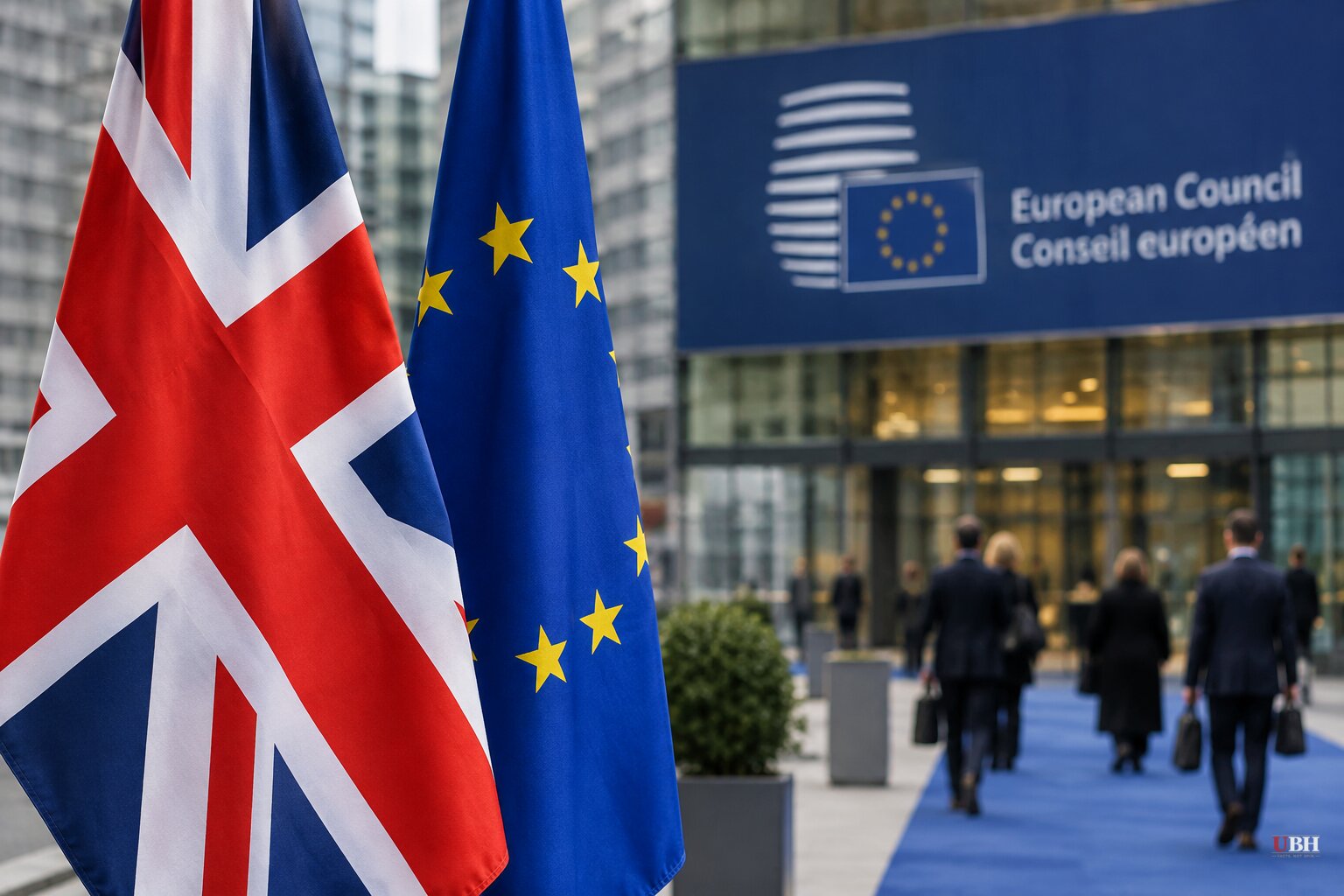
Since Andy Burnham took over in July after Keir Starmer resigned, the new prime minister has steadily moved Labour away from the previous government's EU posture. This weekend he told the Welsh Labour conference that Britain had "lost more than we gained" by leaving. His office says he is set to go further today, Nov. 16, in a foreign policy speech in the City of London.
Excerpts released by his office have him saying: "The Brexit we were given has not worked." He is also set to describe the subject as an "emperor's new clothes" problem that nobody in politics wants to name.
What Friday's summit is supposed to deliver
The real test comes Friday, Nov. 20, in Brussels. The summit was originally scheduled for July and was postponed when Starmer resigned.
Britain and the EU are expected to agree to cut border checks on food and agricultural products. They are also expected to agree arrangements letting young people live and work abroad more easily. Burnham also hopes for movement on emissions trading.
Burnham is expected to say any deal must respect the red lines in Labour's 2024 manifesto: no return to the customs union, the single market or freedom of movement. His office says those lines bind Labour until the next election, due in 2029.
He is also willing to put broader options on the table for the longer term. According to analysis from the International Centre for Defence and Security, he has said he would like to see full accession in his lifetime. Burnham is 56.
The sticking points
Jill Rutter of the Institute for Government argues the details of the youth scheme have been the hard part. The European Commission cannot guarantee that member states, which control migration from outside the bloc, will admit young Britons.
The EU has also objected to a UK demand for an annual cap. Rutter says it will be interesting to see where that number lands.
The thornier issue, in her account, is an EU demand that any EU student in the UK pay only home fees. That was not mentioned in last May's Common Understanding, the communique from the first summit. She says it puts a potentially large price tag on the scheme, with UK universities either losing income or the government covering the gap.
Where the politics sit
The Conservatives have said they will tear up any agreements the prime minister reaches, according to Rutter. Reform UK, which polls around 22% (down from a 28% peak, per the ICDS analysis), opposes any undoing of Brexit.
Rutter also notes that Kemi Badenoch's main argument against reopening the debate at this year's Conservative conference was asking the audience whether they could "imagine having to go through that again." She describes this as hardly the staunchest defence of Brexit.
The polling is less one-sided than the headline numbers suggest. Ipsos found in June that 52% of respondents favoured rejoining, rising to 58% among likely voters in a future referendum. A YouGov survey the same month found 57% thought leaving was the wrong decision and 55% supported rejoining.
Support for rejoining drops to 35% if it would mean giving up Britain's opt-outs on the euro and Schengen, according to the same polling. The ICDS analysis says the EU would insist that the UK not reinstate those opt-outs or its budget rebates.
The economics
The Office for Budget Responsibility estimates that Brexit will reduce Britain's long-term productivity by 4%. That figure is central to the case Burnham is making.
The pro-EU European Movement UK wants more. Policy adviser Joe Meighan says individual deals "cannot recreate the benefits and influence of membership" and that the group's ambition is to rejoin by 2036. He also says that would require "sustained public consent" and "honesty about financial contributions."
The Liberal Democrats and Greens have called for deeper economic integration. The ICDS analysis argues instead for rejoining the customs union and single market, with a membership perspective and no fixed timetable. It cites uncertainty over the EU's own politics, including Marine Le Pen's chances in France's presidential election next spring.
What to watch Friday
The questions for the summit are concrete. Will the youth scheme carry an annual cap, and at what number? Who pays if EU students get home fees? And does Burnham's Brexit talk draw the loud opposition that Rutter says it would once have drawn?
The Conservative promise to tear up whatever is signed is the first test of whether any agreement can last beyond the next election.
Sources used for this briefing
7 links from 7 independent newsrooms (syndicated copies of the same report count once)
These are the sources it draws on, linked so you can verify.


