
Unbiased headlines. Facts, not spin.
Unbiased Headlines is an independently owned news organization. We bring you the facts, not opinions, written fresh from 110+ named sources. Sources linked so you can verify it yourself.
 politics
Major Story (7/10)
Justice Department Finalizes 10-Day Deadline for Immigration Appeals, Reviving Provisions a Federal Judge Set Aside in March
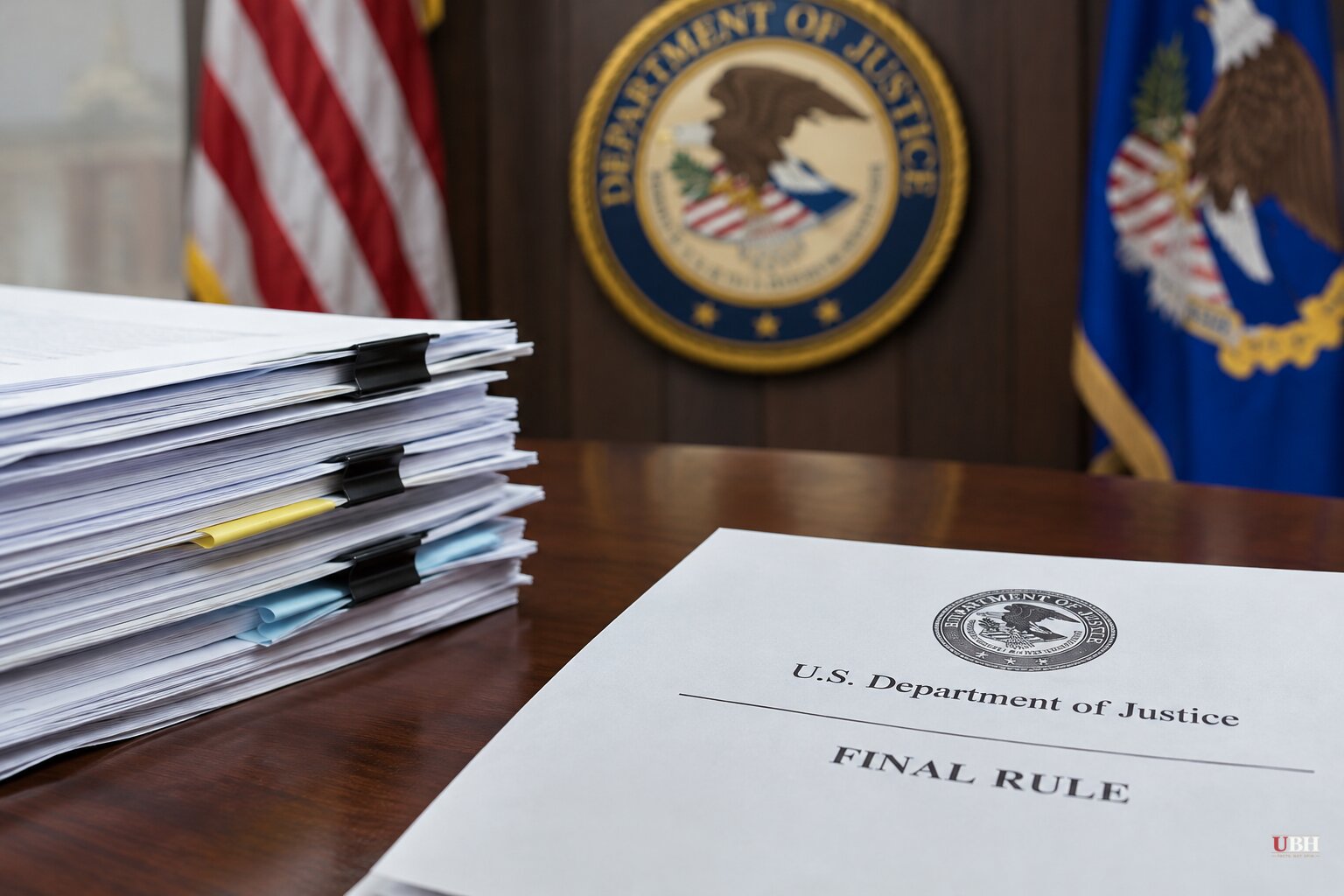
The Justice Department's Executive Office for Immigration Review released a final rule today, Monday, Nov. 16, that overhauls how the Board of Immigration Appeals handles appeals of removal orders. The rule is scheduled for publication in the Federal Register on Tuesday, Nov. 17, and takes effect 30 days later. That would be Dec. 17 if publication holds.
It restores provisions a federal court set aside earlier this year.
What changes
For most appeals of immigration judge decisions, the filing deadline drops from 30 days to 10. Appeals of asylum decisions on the merits keep the 30-day window, as the statute requires. Appeals in practitioner discipline cases also move to 10 calendar days under the final version.
Anything not raised in the notice of appeal is treated as waived. That makes the short filing the only chance to frame the case.
The larger change is summary dismissal. Under the rule, a single Board member dismisses an appeal without opinion within 15 days of filing, unless a majority of the Board's permanent members votes within 10 days to take it up. When that happens, the immigration judge's decision becomes the final agency determination. Only appeals the Board accepts go to full briefing.
The rule also drops the longstanding requirement that immigration judges review hearing transcripts before the Board rules. DOJ says digital recording and existing correction procedures make that review unnecessary and resource-intensive.
The rule applies to immigration judge decisions issued on or after the effective date. DOJ says it does not reach appeals already pending.
How it got here
DOJ first issued these changes as an interim final rule on Feb. 6. Immigrant advocates sued in the U.S. District Court for the District of Columbia. On March 8, the court partially vacated the rule in Amica Center for Immigrant Rights v. EOIR, holding that the department skipped required notice and comment for three provisions: the 10-day deadline, the waiver of issues left out of the notice of appeal, and single-member summary dismissal.
DOJ appealed that ruling in May. In April, the challengers had agreed to pause their filings until the department published a final version.
DOJ says it has now cured the procedural defect. The department says it took and answered 1,615 public comments. The Erickson Immigration Group, a law firm tracking the rule, notes that the final rule adopts most of the interim provisions.
The backlog argument
DOJ calls the Board's caseload "lengthy and unprecedented." Its numbers back up the scale. The Board had 35,837 pending cases in fiscal 2017. By fiscal 2026 that figure was 325,774, roughly a ninefold increase.
That backlog built over nine years and through administrations of both parties. A system that cannot clear its docket is not serving anyone, including immigrants waiting years for an answer. DOJ also argues the shorter deadline is consistent with historical EOIR procedures and that electronic filing means documents can be sent at any time.
What the critics say
Immigration lawyers see it differently. "With this rule, the BIA will rubber-stamp removal orders from immigration judges, without considering the merits of noncitizens' appeals," said Victoria Neilson, supervising attorney at the National Immigration Project.
Hunter Hammill, policy and practice counsel at the American Immigration Lawyers Association, said the rule "makes significant procedural changes that sacrifice the fairness of the legal process without meaningfully improving the court's efficiency." He added that the changes make the Board's role as an appellate body "practically nonexistent."
The attorneys also point to the administration's hiring of immigration judges with limited or no prior immigration law experience, and to a record number of precedential Board decisions limiting migrants' ability to challenge rulings. Their argument is that a thinner appeal matters more when the first-level judges are newer.
DOJ's legal position
The department took on the due process objection directly. "The rule's summary dismissal procedures affect only the Board's review process, which exists only as an exercise of the Attorney General's discretion, not as a result of any constitutional requirement," the regulation says. It continues: "there is no constitutional due process right entitling an alien to an administrative appeal before the Board."
The rule also points to another avenue. Immigrants can challenge orders through litigation in federal court.
The final version makes small concessions to commenters. It standardizes the language of summary dismissal orders to clarify their effect.
What comes next
The practical clock is short. For people whose immigration judge decisions are issued on or after the effective date, a missed 10-day window ends the administrative route. Lawyers advising clients already say to count from the decision date and assume 10 days unless the asylum exception clearly applies.
The open question is the courts. The Amica Center plaintiffs paused their case in April pending this rule, and DOJ's May appeal of the March ruling is on the books. Neither side has said publicly what happens to that litigation once the final rule is in the Federal Register.
Sources used for this briefing
7 links from 6 independent newsrooms (syndicated copies of the same report count once)
These are the sources it draws on, linked so you can verify.


