
Unbiased headlines. Facts, not spin.
Unbiased Headlines is an independently owned news organization. We bring you the facts, not opinions, written fresh from 110+ named sources. Sources linked so you can verify it yourself.
 politics
Major Story (7/10)
Labor Department Proposes 90-Day Job Ads and Two-Year Layoff Lookback in First PERM Overhaul Since 2004
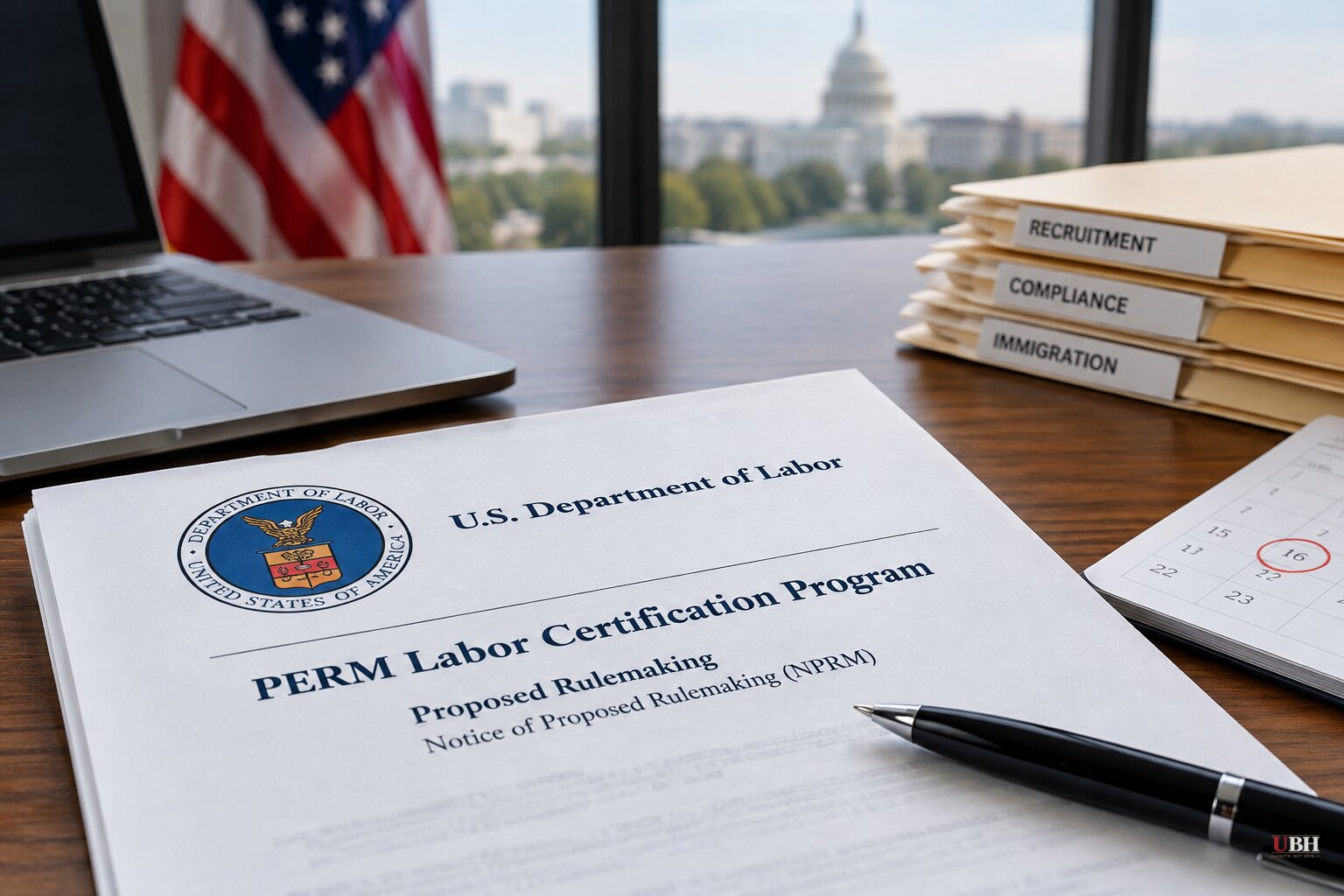
The U.S. Department of Labor on Monday, Nov. 16, proposed the biggest rewrite of the Permanent Labor Certification program, known as PERM, in nearly 20 years. The notice is scheduled to appear in the Federal Register on Tuesday, Nov. 17, which starts a 60-day public comment period.
PERM is a required step for many EB-2 and EB-3 employment-based green cards. Employers generally have to show they could not find a qualified U.S. worker for the job. PERM approval does not itself grant a green card.
"American Workers are the best in the world, and they deserve the first and best job opportunities," Labor Secretary Keith Sonderling said in a statement. "Existing regulations have instead allowed companies to sponsor foreign workers without fully considering American workers first."
What the proposal would change
The rule, titled "Modernizing the Labor Market Test and Improving Protections for U.S. Workers in the PERM Immigrant Visa Program," cleared White House review on Oct. 23. The department's own summary lists several changes:
- Employers would drop print job ads and recruit online instead, through company websites, job portals, social media, job fairs and campus recruiting.
- Positions would have to be advertised for at least 90 calendar days.
- Employers would have to show "good-faith efforts" to recruit qualified Americans.
- Employers would be barred from tailoring a job to a foreign candidate.
- The Schedule A exemption, which lets employers skip the labor market test for professional nurses, physical therapists and certain other workers, would be eliminated.
The layoff provision is the sharpest change. An employer that laid off U.S. workers in the same or similar occupation and area within the previous two years could be barred from filing a PERM application for those roles. Current rules generally look back six months.
The department said the longer window would be "a more meaningful safeguard" against employers who delay filings until after a layoff has faded from view. The proposal also would extend protections to U.S. workers laid off by staffing companies and require employers to report job cuts.
The industry objection
Adam Klein, co-founder of Globali.ai and a former senior Department of Homeland Security official, told Newsweek the two-year provision "could have far-reaching implications, particularly for technology companies and other employers that regularly restructure."
"This is more than an administrative burden; it could prevent an employer from pursuing sponsorship altogether," Klein said.
Many in the tech industry have long argued that employer sponsorship lets companies keep specialized talent that is hard to find. Supporters of the rule counter that it gives American candidates a fair shot and stops companies from passing over qualified U.S. applicants. The department frames the layoff changes as protection for workers who lose jobs.
A pattern of enforcement
The proposal lands after a string of actions aimed at the same program. Last month, Vice President JD Vance announced that eight technology and outsourcing companies, including Microsoft and Adobe, were indefinitely barred from sponsoring green cards through PERM while officials investigate whether they misused the system.
Microsoft defended its use of visa programs in a statement and said it looks forward to giving the administration more information. The Labor Department has also announced PERM suspensions this year for other tech firms, including Cognizant Technology Solutions, one of the largest employers of H-1B workers.
The Justice Department has reached settlements with Instacart and OpenAI over alleged discrimination against U.S. workers in PERM recruitment. IBM has said it will discontinue visa and green card sponsorship for most affected roles in IBM Consulting, citing changes in available skills and client needs.
Other moves are layered on top. The administration is raising fees for H-1B visas and for work permits issued to international graduates under Optional Practical Training. In March, the Labor Department separately proposed significantly higher minimum wages for several immigration programs, including H-1B and PERM. Most green card applicants already in the U.S. are being steered toward consular processing abroad.
What a final rule needs
This is a proposal, not a rule. The department has to read the public comments, answer them and publish a final version, and the details can change along the way. Employers that depend on PERM, as well as groups for nurses and physical therapists, now have 60 days from publication to file objections or support.
The sources give no estimate of how many employers or workers the rule would cover. They also give no figure on how many U.S. hires the stricter test might produce. The department has not said when it expects to finalize the rule.
Sources used for this briefing
8 links from 8 independent newsrooms (syndicated copies of the same report count once)
These are the sources it draws on, linked so you can verify.


