
Unbiased headlines. Facts, not spin.
Every story is an unbiased news briefing written from 110+ sources across the spectrum — sources linked so you can verify it yourself.
 energy
Major Story (8/10)
June 24, 2026 at 11:54 PM
energy
Major Story (8/10)
June 24, 2026 at 11:54 PM
Strait of Hormuz Moves 72 Ships in 24 Hours, WTI Closes Below $70 for First Time Since March
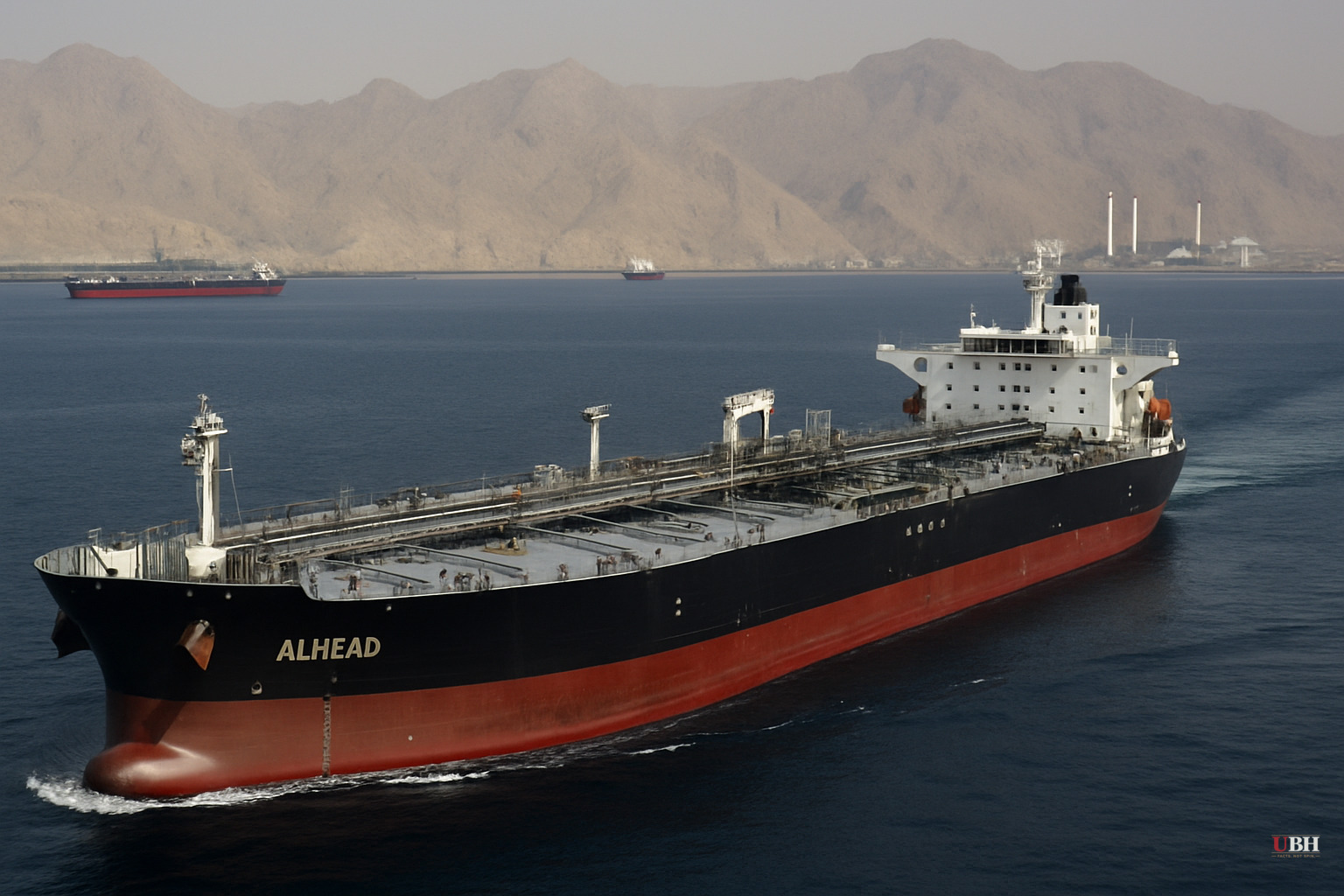
Since U.S. and Israeli airstrikes triggered the largest oil supply disruption in recorded history on February 28, the situation at the Strait of Hormuz has shifted materially over the past week. Wednesday's numbers from Energy Secretary Chris Wright put that shift in concrete terms.
72 Ships, 20 Million Barrels, One Day
Speaking at the Reuters Global Energy Forum in New York City on Wednesday, Wright told the audience that roughly 72 ships carrying approximately 20 million barrels of crude oil moved through the strait in the previous 24 hours. "We have normal flows today," he said, according to CNBC.
Trade intelligence firm Kpler, cited by CNBC, has separately tracked around 4.8 million barrels per day exiting the strait since the U.S.-Iran deal was reached last week. The IMO confirmed that ships have already begun transiting under the new evacuation framework it coordinates, though a spokesperson declined to identify the specific vessels. LSEG ship-tracking data reviewed by ZeroHedge showed at least two dry bulk carriers and one cargo vessel crossing within a 12-hour window on Wednesday, with Reuters identifying at least 35 additional commercial vessels preparing to follow.
More than 11,000 seafarers stranded in the Persian Gulf are now cleared to exit through Hormuz under safety guarantees the IMO secured. IMO Secretary-General Arsenio Dominguez confirmed the framework is running "in close cooperation with Iran, Oman, all other coastal States in the region, the United States and the maritime industry."
Oil Prices Drop, Trump Calls Out Oil Companies
WTI futures closed Wednesday at $70.34 per barrel, down about 4% on the day, after briefly dipping to $69.63 — the first intraday trade below $70 since March 2, according to CNBC. Brent crude settled at $73.74, its lowest level since before the war began.
Bloomberg's options market data, cited by ZeroHedge, shows traders are positioning for further downside, with heavy put volume in August and September expiries between $60 and $68. The September $60 strike put was among the most actively traded contracts Wednesday.
President Trump weighed in via Truth Social, writing that oil companies are "not dropping their price at the pump commensurate with the sharply lower prices they are paying" and instructing the DOJ to "immediately start looking into this."
Karen Young, a senior research scholar at Columbia University's Center on Global Energy Policy, told CNBC the post was "political theater," noting that retail gasoline prices reflect state and local taxes and typically lag crude moves by a couple of weeks. Whether the DOJ inquiry goes anywhere is a separate question. CNBC reported Wednesday it had contacted the Justice Department and was awaiting a response.
Tanker Rates Tell a Different Story
While crude prices fell, tanker operators are making extraordinary money. According to OilPrice.com, very large crude carrier earnings surged to nearly $470,000 per day as oil importers scramble to charter vessels for Persian Gulf cargoes. One VLCC was provisionally booked to carry crude from the Persian Gulf to India at a rate 897% above the benchmark for that route, nine times normal freight cost, according to Bloomberg data cited by OilPrice.com and ZeroHedge.
South Korea's Sinokor shipping group, which acquired roughly 120 VLCCs before the war, has repositioned four of its empty supertankers into the Persian Gulf since the deal was signed. At least seven VLCCs total have entered the region, adding an estimated 14 million barrels of capacity, per Bloomberg.
The Deal's Disputed Terms
The diplomatic picture is less tidy than the shipping data suggests. Trump told reporters at the Capitol on Wednesday that "Iran is making very big concessions" and that the U.S. is "winning by a lot." Hours earlier, Iranian Parliament Speaker Mohammad Bagher Ghalibaf told an audience in Baku that the MoU represented a "U.S. defeat," according to ZeroHedge.
Secretary of State Marco Rubio arrived in Abu Dhabi on June 23 for a Gulf tour covering the UAE, Kuwait, and Bahrain. Speaking to reporters, Rubio acknowledged the framework is incomplete. "This is an issue that's been going on for 47 years," he said, per OilPrice.com. "The idea that somehow it's going to get solved in a day and a half — I don't think anyone's been selling that." On verification, Rubio was blunt: "We know what they agreed to do. Now they'll either do it or they won't. And if they don't, the president will have some decisions to make."
Iranian officials have continued to contest specific U.S. claims, including on nuclear inspector access and the characterization of toll arrangements, according to ZeroHedge.
The Atlantic's Tom Nichols and David Frum have argued, across multiple pieces, that the deal amounts to a strategic retreat. The original stated goal was regime change. Trump publicly told Iranians "the hour of your freedom is at hand" on the first night of bombing, and what emerged instead is a 60-day shipping arrangement with contested terms and no verified nuclear concessions. The war's stated objectives have shifted repeatedly since February 28. The administration has not released funds to Tehran but also hasn't secured anything verifiable on enrichment, and Gulf allies are anxious enough that Rubio felt compelled to fly to Abu Dhabi to reassure them.
The Trump administration's counter is straightforward: 72 ships moved through Hormuz on Wednesday, WTI briefly traded below $70, and U.S. naval escorts through Oman's territorial waters have structurally degraded Iran's ability to close the strait regardless of what happens at the negotiating table. Wright said demining the strait will take "probably a few weeks" before full, unescorted navigation resumes. This means the current flows depend on continued U.S. military presence in the southern corridor.
Wright also stated the 60-day sanctions waiver on Iranian oil sales is NOT a major win for Tehran: "We haven't unfrozen any funds, they haven't got anything meaningful yet."
What Happens After Day 60
The MoU requires Iran to negotiate long-term Hormuz governance with Oman and its Gulf neighbors within the 60-day window. No framework for that process has been publicly detailed. Qatar has urged direct U.S.-Iran communication to resolve disputes over what was actually agreed in Switzerland, according to ZeroHedge. Polymarket's prediction market gave roughly even odds, 48% yes to 53% no, on whether Hormuz traffic fully normalizes by July 31.
The unresolved question sitting underneath all of this: if the 60-day window expires without a durable agreement, Wright has said the U.S. could reimpose its naval blockade. Whether that threat remains credible after the current de-escalation is something Gulf capitals, Tehran, and oil markets will be pricing through the rest of the summer.
Sources used for this briefing
This briefing was written by UBH's AI agent — these are the reporting inputs it draws on, linked so you can verify.


