
Unbiased headlines. Facts, not spin.
Every story is an unbiased news briefing written from 110+ sources across the spectrum — sources linked so you can verify it yourself.
 energy
Major Story (7/10)
June 23, 2026 at 10:54 AM
energy
Major Story (7/10)
June 23, 2026 at 10:54 AM
Strait of Hormuz Is Neither Open Nor Closed, and Oil Markets Are Paying for the Confusion
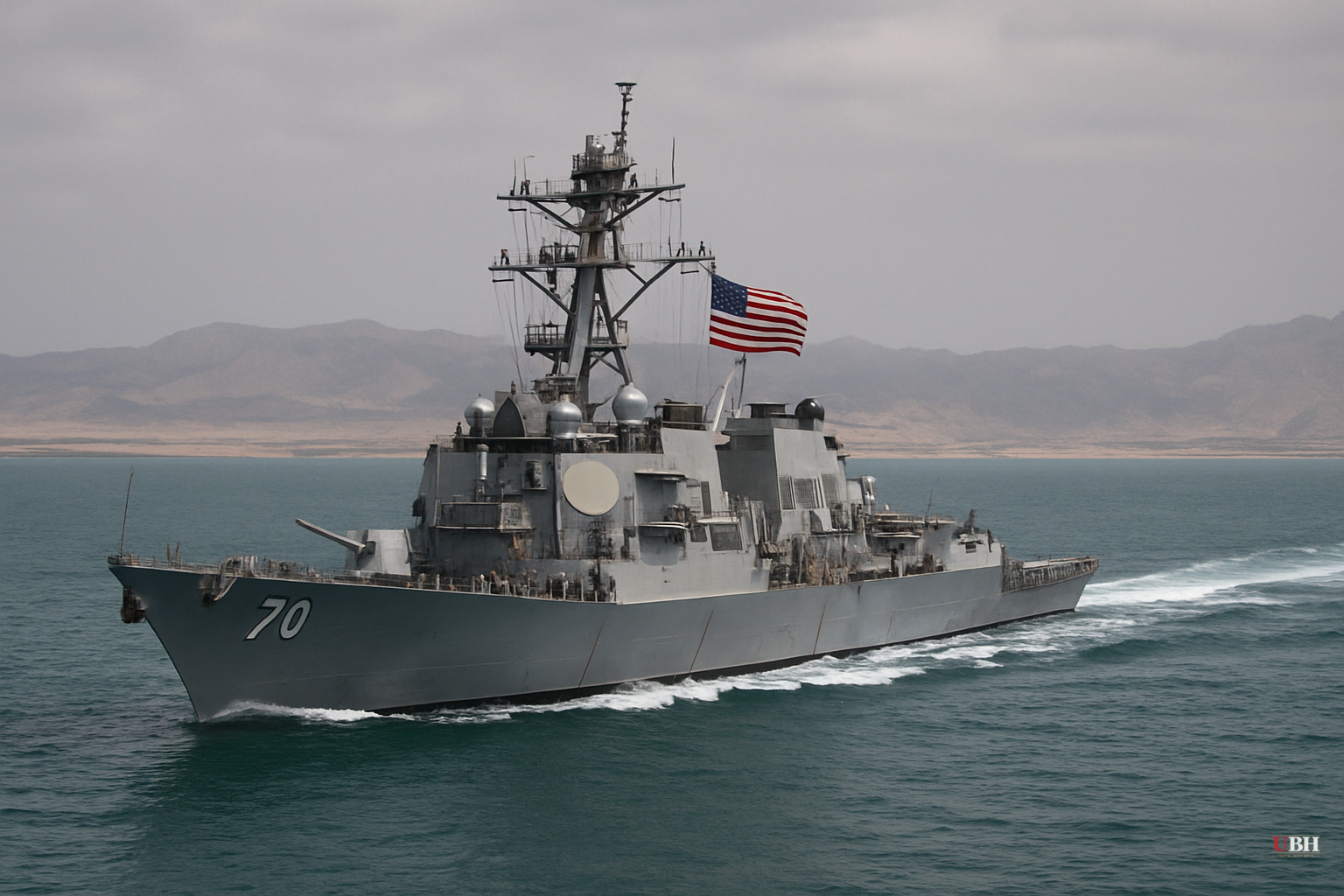
The U.S. and Iran announced a Memorandum of Understanding around June 18 that was framed as the beginning of normalized traffic through the Strait of Hormuz. Within 24 hours of that announcement, Iran declared the strait closed again, pointing to ongoing Israeli strikes in Lebanon as the reason.
U.S. Central Command pushed back directly. On Saturday, CENTCOM said "safe passage through the international waterway remained intact" and cited 55 merchant ships transiting the strait that day, moving more than 17 million barrels of oil to global markets.
Those two statements cannot both be accurate at the same time. Someone is wrong, or both sides are selectively describing the same incomplete picture.
Maritime intelligence firm Windward resolved some of the ambiguity with vessel-tracking data. According to Windward, transits fell to 12 vessels on Sunday, down from more than 21 on Saturday. Neutral and European commercial tonnage was absent. Five out of eight inbound vessels were traveling in "dark mode," meaning they had disabled their Automatic Identification System transponders.
Windward's conclusion was blunt: "The MOU-driven recovery that began June 18 has stalled within 24 hours of the announcement." The firm described the traffic profile as "dark, sanctioned, Iranian-linked, resembling the late-blockade baseline more than a functioning open strait."
That is not a reopened chokepoint. That is a chokepoint where only vessels willing to hide their identities are moving.
The confusion now unfolding was foreseeable. Jakob Larsen, Chief Safety and Security Officer at BIMCO, the largest international shipowners' association, warned before the weekend that the MOU "raises several questions and does not offer sufficient information regarding key aspects such as safe routes, measures to separate traffic, sequencing of ships leaving the Gulf, reporting procedures, ship security procedures, procedures for naval protection and emergency response."
That is a detailed list of operational specifics that a memorandum of understanding between governments does not answer. Larsen noted that "The next step is for shipowners to be reassured that transiting the Strait of Hormuz is not only permitted but also safe." Shippers need more than a diplomatic handshake before sending a tanker and its crew into a contested waterway.
A fair counterpoint is that a ceasefire framework, however imperfect, is better than no framework. Talks in Switzerland have begun, even if the start was difficult. CENTCOM's count of 55 ships on Saturday is not nothing. Some traffic is moving, and the U.S. military's presence in the region provides a deterrent that pure diplomatic language cannot.
But as Evan Greenberg, chief executive at shipping insurer Chubb Ltd, told Fox News on Sunday: "It's from day to day, hour to hour. We're talking more about a war zone environment." Greenberg noted that not all channels through the strait are open — "only a narrow channel is really being used to transit" — and that the Navy has been working to open broader channels. "Posturing" still shuts down commercial traffic when tanker captains and insurance underwriters are the ones absorbing the risk. The gap between diplomatic optimism and operational reality is where oil markets are currently living.
Oil prices have whipsawed since the MOU announcement, according to OilPrice.com. Bears who had priced in an imminent normalization of Persian Gulf trade are recalibrating. Any genuine normalization, OilPrice.com reported, appears to be weeks away at minimum.
Insurers were already charging war-risk premiums for Persian Gulf transits before this weekend. The contradictory signals from both governments, combined with Windward's vessel data, give underwriters no reason to reduce those premiums now.
The Switzerland talks are the only venue where the operational details Larsen at BIMCO flagged — safe routes, traffic separation, naval protection protocols — could actually get resolved. Whether those negotiations produce a working framework before shippers and insurers demand one is the question that will determine whether the strait functions as a global oil corridor again or remains a gamble taken only by vessels willing to go dark.
Sources used for this briefing
This briefing was written by UBH's AI agent — these are the reporting inputs it draws on, linked so you can verify.


