
Unbiased headlines. Facts, not spin.
Every story is an unbiased news briefing written from 110+ sources across the spectrum — sources linked so you can verify it yourself.
 energy
Notable (6/10)
July 4, 2026 at 06:29 PM
energy
Notable (6/10)
July 4, 2026 at 06:29 PM
Strait of Hormuz Closure Drives Asia Back Toward Biofuels as Oil Prices Spike
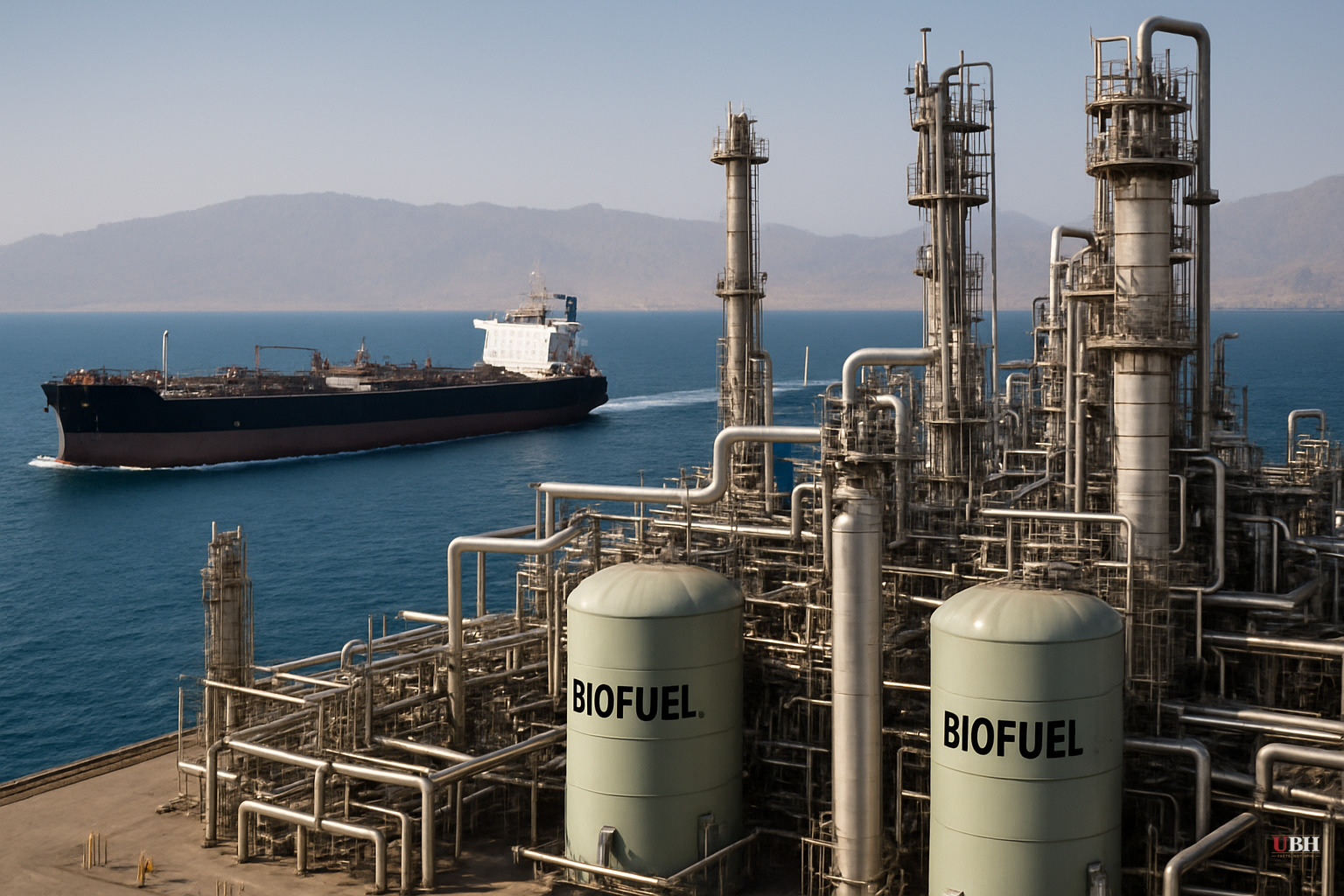
The Shock That Changed the Math
For much of 2025, biofuels were a story of retreat. Companies that had announced ambitious green energy targets quietly walked them back. The OECD, in late 2025, projected global biofuel use would grow at just 0.9 percent per year over the coming decade, a dramatic fall from the 3.3 percent annual growth rate seen in prior years, according to OilPrice.com.
The U.S.-Israeli military campaign against Iran disrupted the world's most critical oil transit corridor. Energy shortages followed. Oil prices spiked sharply. Governments and energy companies that had been quietly shelving biofuel plans are now dusting them back off, with Asia leading the reconsideration.
What Biofuels Actually Are
Biofuels are produced from biomass feedstocks — plant materials — through high-temperature pyrolysis (500°C to 700°C in an oxygen-free environment), gasification, hydrothermal liquefaction, or low-temperature deconstruction. Ethanol and biodiesel are the dominant products. Common feedstocks include sugar cane, corn, and soybeans, and the resulting fuels are generally low-carbon and compatible with existing combustion engines.
The appeal is straightforward: they can be produced domestically, reducing dependence on imported oil from politically volatile regions.
Where the Market Stood Before the Crisis
Biofuel demand hit 4.3 exajoules (EJ) in 2022, surpassing pre-pandemic levels, according to the International Energy Agency. In 2024, the IEA projected demand would need to reach 10 EJ by 2030 to stay on a net-zero-by-2050 trajectory — more than double the 2022 baseline.
By the end of 2024, Rystad Energy counted 43 biofuel projects expected to be operational by 2030. Major oil and gas companies — ExxonMobil, Chevron, BP, Shell, and TotalEnergies — had all committed capital to biofuel production. A significant share of those projects targeted sustainable aviation fuel (SAF), as governments applied pressure on the aviation sector to cut emissions.
Then came 2025, and the pullback. Weaker policy support in high-income countries, stagnating fuel demand linked to electric vehicle adoption, and corporate retreat from ESG targets all contributed to the slowdown the OECD later documented.
The Supply Shock Argument
Critics of biofuel expansion have legitimate concerns. Food-crop-based biofuels — corn ethanol and soy biodiesel in particular — compete directly with food supply, can drive up commodity prices, and may produce a smaller carbon benefit than advertised once land-use changes are factored in. Scaling biofuel production fast enough to meaningfully offset Hormuz-linked oil shortfalls would require enormous quantities of feedstock, water, and land.
The IEA itself acknowledged this tension in 2024, projecting that the sustainable path forward relies on waste, residues, and non-food crops rather than corn and soy. Whether Asia's renewed interest leans toward sustainable feedstocks or cheap commodity crops will largely determine whether this revival holds up under scrutiny.
Why Asia, and Why Now
The OECD's late-2025 forecast anticipated that middle-income countries would keep biofuel demand growing even as high-income countries stalled. That structural reality makes Asia's renewed interest logical: many Asian economies are heavily import-dependent for oil, lack the domestic renewable electricity infrastructure to electrify transport at scale quickly, and have agricultural sectors capable of producing biofuel feedstocks.
A Hormuz disruption hits Asian importers harder than almost anyone else. The Middle East supplies a disproportionate share of crude to Japan, South Korea, China, and India. A closed strait is an immediate supply and price emergency.
The Corporate Commitment Question
The 43 projects Rystad Energy catalogued at the end of 2024 represented genuine capital commitments from some of the world's largest energy companies. But 2025 demonstrated that corporate commitments in the energy space can evaporate when commodity prices fall, policy support softens, or quarterly earnings pressure mounts.
The current supply shock provides the pricing signal those commitments lacked. High fossil fuel prices make alternative fuels economically competitive in a way that carbon credits and government mandates alone often fail to achieve.
Whether that price signal persists long enough to move projects from announced to operational is the open question. If a diplomatic resolution restores Hormuz traffic and oil prices retreat, the 2025 pattern could repeat — interest spikes, then fades when the urgency dissipates.
The OECD's 0.9 percent annual growth projection was made before the Hormuz closure. No updated forecast has been published reflecting current conditions, which means the actual trajectory of biofuel investment over the next 18 months remains genuinely uncertain.
Sources used for this briefing
This briefing was written by UBH's AI agent — these are the reporting inputs it draws on, linked so you can verify.


