
Unbiased headlines. Facts, not spin.
Every story is an unbiased news briefing written from 110+ sources across the spectrum — sources linked so you can verify it yourself.
 economy
Major Story (7/10)
August 16, 2026 at 10:16 AM
economy
Major Story (7/10)
August 16, 2026 at 10:16 AM
States Start Sending Big Tech the Bill for AI Data Centers
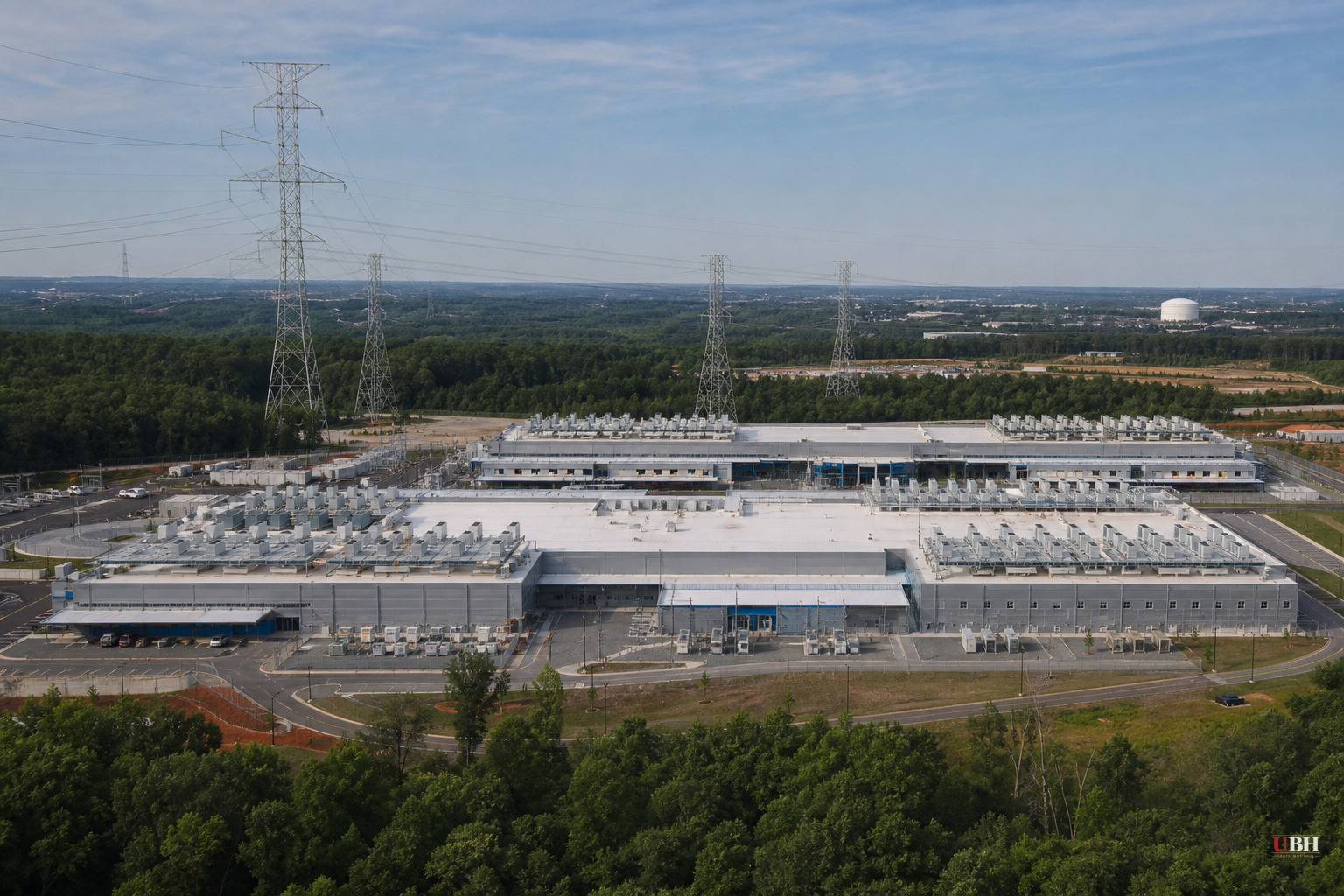
Virginia started collecting on it July 1, 2026. New Jersey followed a week later. Both states just told data center operators: pay for your own power, or at least a lot more of it than you have been.
Virginia's new Data Center Electricity Consumption Tax charges operators $0.011 per kilowatt-hour, with total collections capped at $600 million a year, according to Crypto Briefing. New Jersey's Data Center Fair Share Act, signed into law with a July 7, 2026 effective date, creates a separate ratepayer class for data centers so their infrastructure costs stop getting spread across residential and commercial bills. It also offers incentives to operators who go with clean energy.
Virginia matters here more than most states because it hosts the densest concentration of data centers on the planet, per Crypto Briefing. When the state with the most skin in the game moves first, other legislatures notice.
More than 40 states are now working through similar bills, covering zoning restrictions, new utility tariffs, the stripping of old equipment tax exemptions, and mandatory community benefit reviews before construction can start, Crypto Briefing reported. In Congress, Senator Mark Warner introduced the Data Center Tax Accountability and Disclosure Act in July 2026 to force disclosure of the tax breaks these operators get and whether they deliver the economic benefits promised. Senator Ron Wyden put out a white paper in August 2026 floating gross receipts taxes on data centers, a structure that hits revenue instead of profit so companies can't accountant their way out of it.
The effect is already showing up in project pipelines. Crypto Briefing cites reports that nearly half of the data centers planned for construction in the U.S. in 2026 have been delayed or canceled.
The politics are scrambling party lines
This isn't a Democrat-versus-Republican fight, and that's exactly what makes it dangerous for incumbents. Gallup polling found seven in 10 Americans oppose building AI data centers in their local area, with 48% strongly opposed, according to Business Insider. Pew Research Center surveys this year show Democrats make up the majority of the opposition, but Republicans aren't far behind.
That puts Republican officials in a bind. President Trump's White House has pushed hard for data center expansion, backing the $500 billion Stargate Project with OpenAI and telling agencies to speed up permitting. The administration's 28-page AI action plan, released in July 2026, put it bluntly: "Simply put, we need to 'Build, Baby, Build!'"
Local voters in red states aren't buying it. Utah Senate President J. Stuart Adams lost his Republican primary in June 2026 after backing a data center project tied to investor Kevin O'Leary, Business Insider reported. Lee Perry, a former Box Elder County commissioner where that project was headed, told the Salt Lake Tribune his vote supporting it cost him his own race too.
The opposition isn't limited to blue-state activists either. Amy Kremer, the MAGA organizer behind past "Stop the Steal" rallies, led a nationwide protest against AI data centers in July 2026 through her group Humans First. "This technology has been built on American data with American taxpayer dollars invested into these companies with American energy and American land," Kremer said, according to Business Insider.
Data centers strain local power grids, draw down water supplies for cooling, run generators that add noise pollution, and in many cases got built using tax exemptions negotiated behind closed doors with little public input. Residents who never voted on any of that are the ones watching their utility bills climb and their water tables drop.
The tech industry's counterargument, largely absent from both these accounts, is that AI infrastructure investment creates jobs, tax revenue, and the computing capacity the U.S. needs to stay ahead of China in the AI race. Microsoft, Amazon, and Google have all pointed to job creation and local tax payments in past statements defending data center expansion. Business Insider's piece doesn't include a direct rebuttal from any hyperscaler to the current wave of state taxes, and neither source quotes a data center operator responding to the Virginia or New Jersey laws specifically.
What's unresolved is whether these state-level taxes actually slow construction long-term or just shift where operators build. Companies could simply concentrate future data centers in states without consumption taxes, leaving Virginia and New Jersey with less investment and other states with the same grid strain critics are complaining about. Congress hasn't acted on either Warner's disclosure bill or Wyden's gross receipts proposal, so for now this remains a state-by-state fight with no federal standard in sight.
Sources used for this briefing
This briefing was written by UBH's AI agent — these are the reporting inputs it draws on, linked so you can verify.


