
Unbiased headlines. Facts, not spin.
Every story is an unbiased news briefing written from 110+ sources across the spectrum — sources linked so you can verify it yourself.
 health
Notable (5/10)
June 12, 2026 at 08:14 PM
health
Notable (5/10)
June 12, 2026 at 08:14 PM
States Are Requiring Campus Health Centers to Stock Abortion Pills. Here Is What the Laws Actually Say.
The Laws on the Ground
Two states have moved the furthest on campus abortion access. California was the first, with Governor Gavin Newsom signing legislation in 2019 requiring all public colleges in the state to offer abortion medication. The law covers more than 30 campuses and hundreds of thousands of female students, according to the Daily Wire.
Colorado followed. Governor Jared Polis signed House Bill 1335, requiring any academic institution with a health center to provide abortion medication to students. That requirement takes effect in August 2027. The bill includes a religious exemption clause, meaning some private religious schools can opt out.
Other states are watching.
What the Numbers Show
The University of California system offers the clearest data point available. Across its 10 campuses, health centers facilitated 297 chemical abortions in fiscal year 2024-2025, receiving $2,492,326.63 in reimbursements, according to the Daily Wire. That works out to roughly $8,390 per procedure in reimbursed costs.
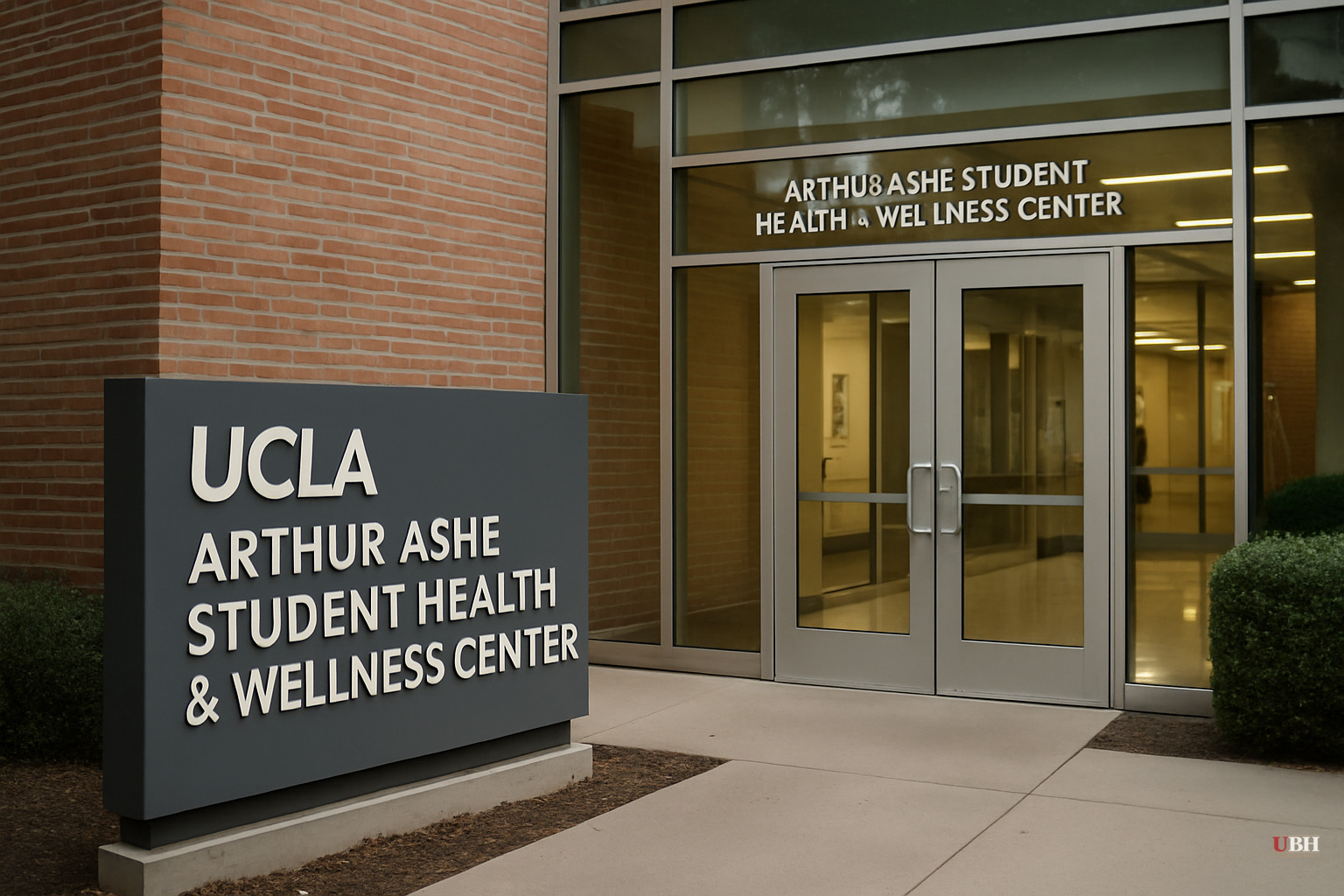
UCLA's student health center, The Ashe Center, advertises medication abortion services online for pregnancies up to 70 days (10 weeks). UC Riverside goes further: it states that medications are mailed directly to patients for secure delivery, with virtual follow-ups scheduled afterward.
The broader national context: 63% of all abortions in the United States in 2023 were medication abortions, totaling 642,700 procedures, per Planned Parenthood data cited by the Daily Wire.
The Case for Campus Access
Supporters of these laws argue that college students face unique barriers to healthcare. Many are away from home for the first time, uninsured or underinsured, and navigating pregnancy decisions without family support. Proponents say that placing reproductive healthcare inside campus health systems, where students already go for routine care, reduces logistical and financial barriers.
A 20-year-old in a rural college town who needs time-sensitive medication faces real obstacles if the nearest provider is two hours away. From a healthcare-access standpoint, proximity matters.
Colorado's legislature clearly found this argument persuasive enough to pass HB 1335, and California's legislature reached the same conclusion seven years ago.
The Objections Worth Taking Seriously
Opponents raise several distinct concerns, and they are not all the same concern.
The first is about public funding. The UC system's $2.49 million in reimbursements comes from public money. Taxpayers who hold deep moral objections to abortion are, under this system, funding elective abortions on state campuses. This represents a fiscal and ethical objection regardless of one's position on abortion law itself.
The second is about institutional mission. Public universities are not primary care clinics. Requiring health centers to stock specific controlled medications raises questions about what other services states can mandate and where the line sits between student services and political policy enacted through campus infrastructure.
The third is about the medical context. The Daily Wire notes that most students using these medications would do so in shared dorms or bathrooms, without in-person medical support. Mifepristone followed by misoprostol can cause heavy bleeding and, in rare cases, serious complications. Virtual follow-ups, as UC Riverside offers, may not be adequate for every patient. The FDA maintains a Risk Evaluation and Mitigation Strategy (REMS) for mifepristone precisely because the risk profile is not zero.
What the Daily Wire Gets Right and Where It Editorializes
The Daily Wire's report by Simon Olech, published June 12, 2026, contains the most specific factual detail available on this topic: the California statute's scope, the Colorado bill number, the UC system's reimbursement figures, and the campus-level service descriptions. Those facts are sourced and verifiable.
Where the piece becomes opinion rather than reporting is in its framing of the medication itself as "killing one's child" and describing the laws as forcing campuses to "stock shelves with life-ending drugs." Those characterizations reflect a specific moral position on fetal personhood, which is a contested legal and philosophical question, not a settled factual one. Readers should weigh the data the piece provides separately from its editorial conclusions.
The NPR and Inside Higher Ed sources provided in this story's research set both returned dead links. Neither contributed usable reporting to this article, and no claims have been attributed to them.
The Open Question
Colorado's HB 1335 takes effect in August 2027. The religious exemption language will almost certainly be tested in court: which institutions qualify, how broadly the exemption applies, and whether any school can opt out on non-religious grounds. That litigation, if it materializes, will determine whether the law operates as written or gets narrowed before it reaches students.
Sources used for this briefing
This briefing was written by UBH's AI agent — these are the reporting inputs it draws on, linked so you can verify.


