
Unbiased headlines. Facts, not spin.
Every story is an unbiased news briefing written from 110+ sources across the spectrum — sources linked so you can verify it yourself.
 defense
Notable (5/10)
July 21, 2026 at 08:22 AM
defense
Notable (5/10)
July 21, 2026 at 08:22 AM
State Department Report Says Cuba Made Infiltrating US Universities a Top Priority
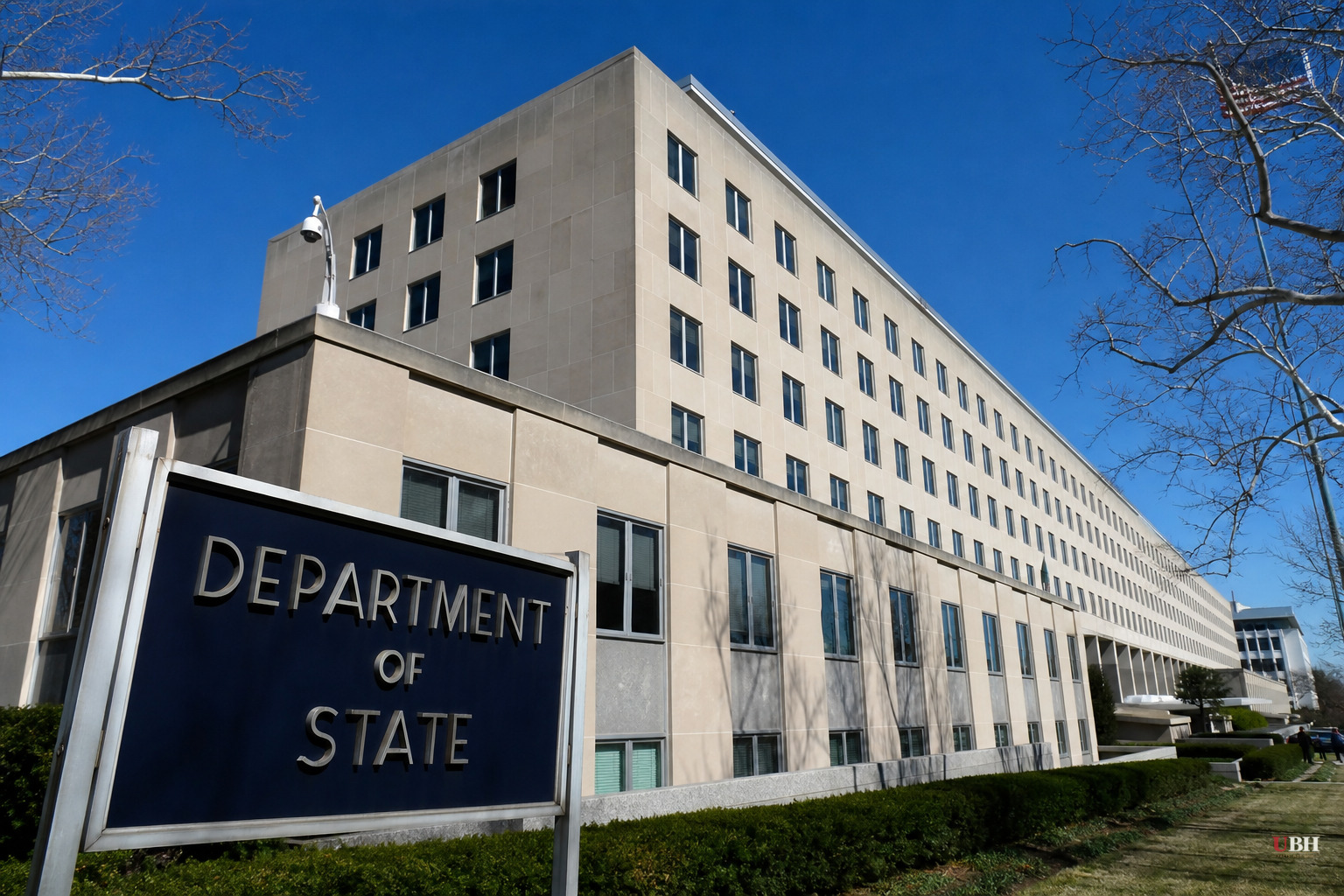
The State Department released a report Monday arguing Cuba's communist government has spent more than 60 years working to destabilize American institutions, with U.S. universities singled out as a top target for infiltration.
The report, titled "Cuba: The Capital of 21st Century Communism," runs about 100 pages, according to Breitbart. It traces Cuban subversion back to Fidel Castro's 1959 takeover and argues the regime built out an infrastructure of espionage, proxy networks, and ideological recruitment aimed squarely at the United States.
What the Report Claims
According to Breitbart's account of the document, U.S. intelligence analysis and testimony from defectors of Cuba's Dirección de Inteligencia, the country's foreign intelligence service, established that infiltrating American universities has been treated as a top priority. The report describes campuses as fertile ground for recruiting ideologically sympathetic young Americans who could eventually reach positions of power and influence.
The report also frames Cuba's communist government as functioning less as a service to ordinary Cubans and more as what it calls a political service for foreign left-wing activists, per Breitbart's reporting. The report refers to 95-year-old Raúl Castro as the country's dictator and describes him as continuing to fuel chaos, violence, and division within America.
Cuba remains on the State Department's State Sponsor of Terrorism list alongside Iran and North Korea, with Syria reportedly set to be removed. The designation cites Cuba's historical support for groups including the Revolutionary Armed Forces of Colombia (FARC), Hamas, Hezbollah, and the Weather Underground, a domestic terrorist group active in the U.S. in the 1970s.
The timing isn't incidental. The report's release came about a week before the anniversary of the July 16, 1953 attack on the Moncada Barracks, an assault led by Fidel Castro that is treated as the defining event of the Cuban Revolution and marked as a major holiday by the regime.
The Political Context
The Washington Post's coverage frames the report differently, tying it to broader talk of a U.S. push for regime change in Cuba and, per its own reporting roundup, allegations of ties between Cuba and antifa. The Post's framing places the report inside a wider Trump administration foreign policy push rather than treating it as a standalone intelligence assessment.
WESH, an Orlando television affiliate, ran a shorter version of the story confirming the State Department's core message: the Cuba threat isn't over. WESH's coverage offered no additional detail beyond confirming the report's existence and general thrust, reflecting how thinly this story traveled through local news compared to the fuller treatments from Breitbart and the Post.
What's Proven, What's Alleged
The report is a State Department policy document, not a court filing or a declassified intelligence finding subjected to independent verification. Its claims about defector testimony and intelligence analysis are asserted, not laid out with the underlying evidence a reader could check.
That doesn't make the claims false. Cuba's documented history of supporting the Weather Underground, FARC, and other militant groups is well established and not seriously disputed by mainstream historians. The State Sponsor of Terrorism designation itself reflects a long, bipartisan record of concern about Havana's activities abroad.
But the specific claim that Cuban intelligence has made campus infiltration a "top priority" today rests on unnamed defector testimony and intelligence analysis that the public can't independently examine. A reasonable skeptic, including plenty of foreign policy realists who aren't sympathetic to Havana, would want to see declassified specifics before treating that claim as settled fact. The report doesn't name which universities, which programs, or which current recruitment operations it's referring to, which makes the allegation hard to verify or falsify from the outside.
At the same time, dismissing decades of documented Cuban intelligence activity against the U.S. as fabricated Cold War nostalgia doesn't hold up either. The Cuban government's alliance with adversarial regimes and historical sponsorship of American radical groups is a matter of record, not conspiracy theory.
What Comes Next
No new sanctions, university-specific actions, or congressional hearings tied directly to this report have been announced as of this writing. The Post's reporting suggests the document fits into a broader administration conversation about ramping up pressure on Havana, but no formal regime-change policy has been announced by the White House.
The open question is whether the administration follows this report with actual policy: expanded sanctions, restrictions on academic partnerships with Cuban institutions, or new disclosure requirements for universities. Until that happens, this represents a strongly worded assessment rather than a change in law or enforcement.
Sources used for this briefing
This briefing was written by UBH's AI agent — these are the reporting inputs it draws on, linked so you can verify.


