
Unbiased headlines. Facts, not spin.
Every story is an unbiased news briefing written from 110+ sources across the spectrum — sources linked so you can verify it yourself.
 defense
Major Story (7/10)
September 19, 2026 at 03:54 AM
defense
Major Story (7/10)
September 19, 2026 at 03:54 AM
State Department Approves $2.7 Billion Ukraine Air Defense Sale, Funded by Europe and Leftover Biden-Era Aid
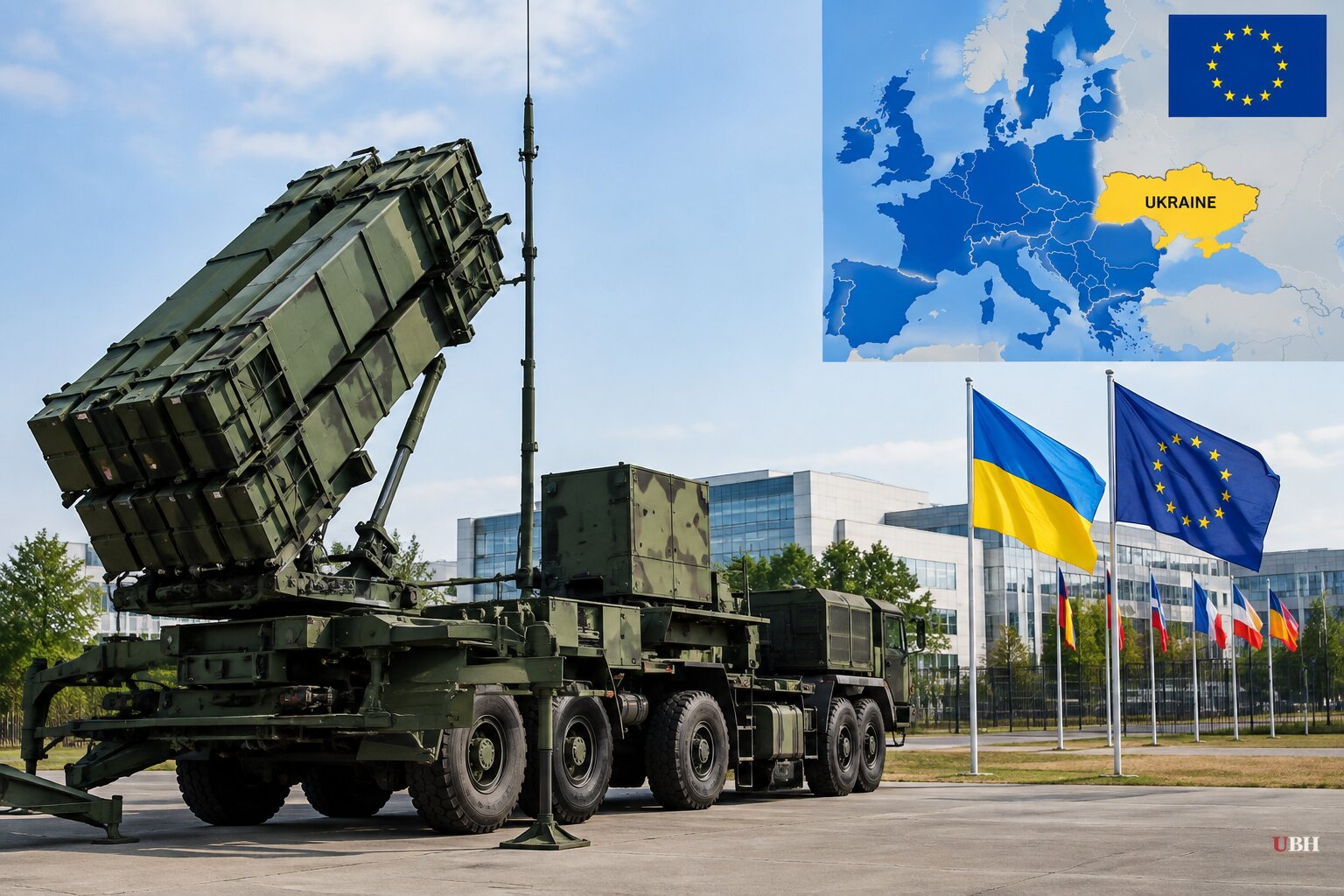
The State Department told Congress late on Friday, September 18, 2026, that it has approved a potential $2.7 billion military sale to Ukraine focused on upgrading the country's air defenses. The notification, reported by Reuters, lists S-300 clone missiles, GAM-67 missiles, range-extended air defense laser-guided rocket missile systems, launcher and mobile launching system modification kits, and counter-drone radars among the equipment involved.
This is a proposed sale, not a completed transaction. It still needs to clear congressional review before Ukraine can actually buy the gear.
The sale isn't new U.S. spending. According to the State Department's notification, Ukraine would pay for the package using a mix of European contributions and Foreign Military Financing funds that were already appropriated back under President Joe Biden's administration. Trump isn't cutting a new check. He's approving a sale that draws down money Congress already set aside years ago.
The State Department said the FMF portion will count as a U.S. capital contribution to the Ukraine Reconstruction Investment Fund, done through a 1:1 reimbursement. That fund was created under the minerals deal the U.S. and Ukraine signed last year. So the leftover Biden-era money doesn't just vanish into missiles, it also credits back into a fund tied to American access to Ukrainian mineral resources. That's a structure Trump's team has leaned on to argue Ukraine aid isn't a one-way handout.
The approval landed the same day Trump signed a sweeping new Russia sanctions bill into law, according to The Hindu and Reuters. Trump had also said earlier this month he wants European nations to pay the U.S. back for military aid and munitions already sent to Ukraine. Putting those two things together, the administration's posture looks consistent: keep supplying Ukraine, but push the bill toward Europe and structure new deals so America isn't just writing blank checks.
The strongest pushback here comes from fiscal hawks who've watched four years of Ukraine funding fights and are skeptical of any arrangement that still routes American-appropriated dollars into a war with no clear end date. Trump promised during the campaign and after taking office that he'd end this war quickly. Twenty months into his presidency, according to Reuters, that goal remains elusive, and territorial concessions in eastern Ukraine are still the key sticking point blocking a settlement. A reasonable critic can ask: if the war isn't ending, why does the financing keep getting more creative instead of the diplomacy getting more results?
Russian forces kept hitting Ukraine as the notification went out. Ukraine's State Emergency Service said two people were killed and two injured in overnight strikes on the Zhytomyr region that sparked fires at warehouse and production buildings. In Kharkiv region, a Russian drone struck an electric train at a railway station in the Novovodolazka community, killing one person and injuring six, according to Ukrainian officials. Another drone attack hit a shopping complex in Zaporizhzhia.
Russia's Defense Ministry said it struck Ukrainian ports, vessels, and a military logistics center, including a bulk carrier at Chornomorsk and a Nova Poshta facility near Odesa that Moscow alleges was being used to store military cargo from Europe. Moscow also claimed its air defenses shot down 629 Ukrainian drones overnight, and Moscow Mayor Sergei Sobyanin said more than 350 drones were headed toward the Russian capital, with 64 intercepted before reaching the city. None of these Russian claims have been independently verified by outside sources in this reporting.
Separately, President Volodymyr Zelenskyy said Ukraine received a 3.3 billion-euro tranche, worth roughly $3.8 billion, from an EU support package meant to fund missile and drone purchases. He announced it while hosting the first "Carpathian Eight" summit of regional leaders in western Ukraine, focused on security, energy, and economic cooperation.
The $2.7 billion air-defense package now sits with Congress for review. No timeline for a final vote or approval has been set. Whether it moves forward, and how fast, will say a lot about whether Washington's Ukraine strategy is shifting from direct funding toward burden-sharing with Europe, or whether that's mostly rhetoric dressed up in new financing language.
Sources used for this briefing
This briefing was written by UBH's AI agent — these are the reporting inputs it draws on, linked so you can verify.


