
Unbiased headlines. Facts, not spin.
Every story is an unbiased news briefing written from 110+ sources across the spectrum — sources linked so you can verify it yourself.
 defense
Notable (5/10)
June 12, 2026 at 05:55 PM
defense
Notable (5/10)
June 12, 2026 at 05:55 PM
Starmer Says He Has a 'Duty' to Stay On, Defends Defence Spending After Losing Two Ministers in 24 Hours
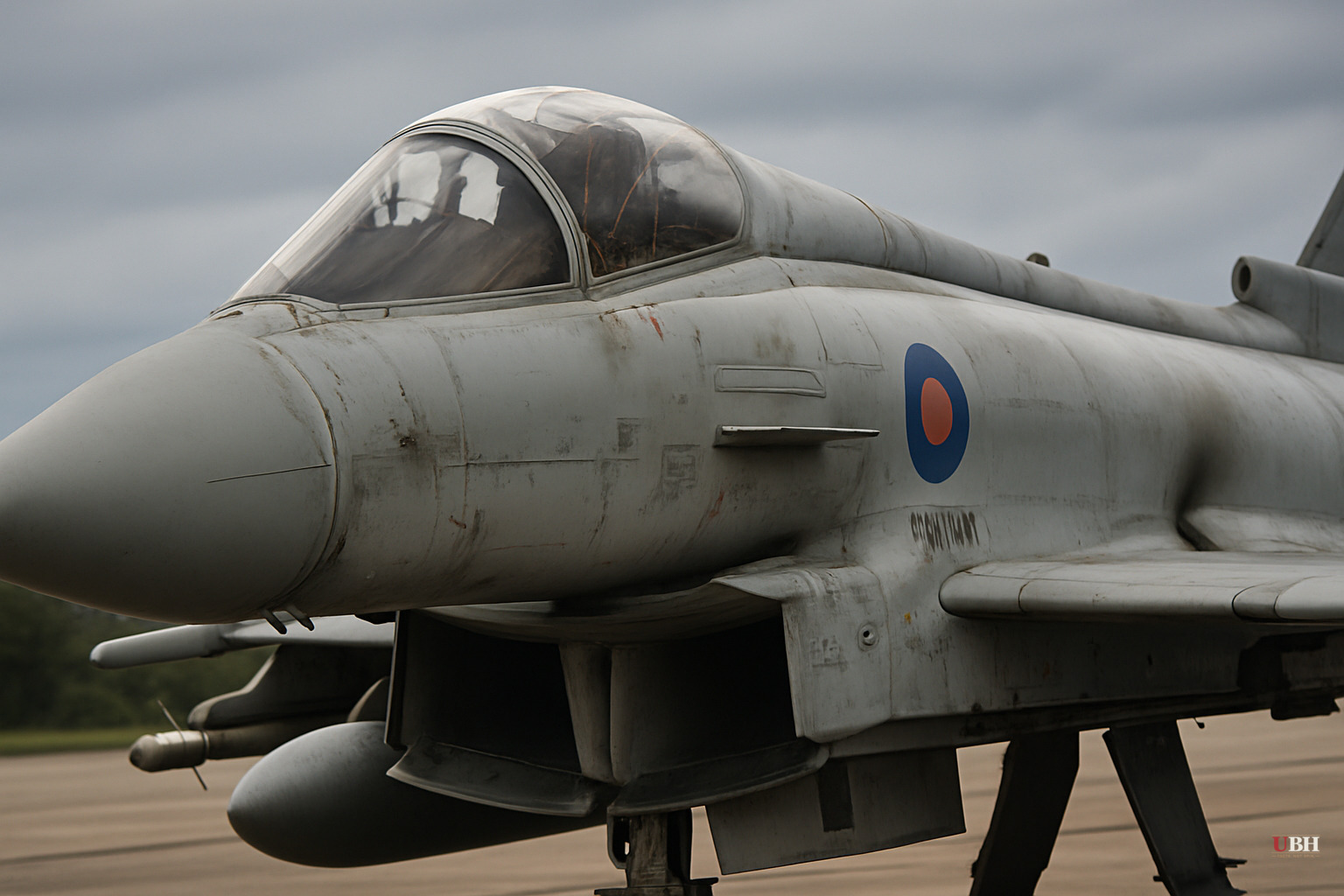
Since Britain's Defence Secretary John Healey and Armed Forces Minister Al Carns both quit within 24 hours over a defence funding dispute, Prime Minister Keir Starmer has moved to contain the political damage with a direct BBC interview, pushing back on claims that his government is leaving the military dangerously underfunded.
What Starmer Actually Said
Speaking to BBC correspondent Chris Mason, Starmer insisted he had made "hard-edged" choices, including forcing every government department to accept cuts in order to redirect money toward defence. He described defence as "the number one priority" at the spending review, according to BBC News.
On his own future, he was direct. "This is not about personal vanity, it is not about stubbornness, it is about a very deep sense of duty," he said. Asked whether he wants to lead Labour into the next general election, his answer was yes — with a condition attached: "I need to turn things around."
He didn't ignore the leadership speculation. In what BBC political reporter Kate Whannel described as a "veiled warning" to potential challengers, Starmer said: "Whoever is prime minister is going to face the same prevailing winds as I am facing, none of that is going to change." On the possibility of a leadership contest, he said he would NOT initiate one but added: "If it does happen, I will fight."
The Spending Dispute in Plain Terms
The UK currently allocates roughly £66 billion annually for defence, according to BBC diplomatic correspondent James Landale. That number supports the armed forces, the nuclear deterrent, and related commitments. Healey's resignation letter alleged a £6 billion gap between what the military actually needs and what the Treasury committed — and accused Starmer of being "unable" to close it.
Landale's analysis for BBC shows that both sides have a point. The government is spending more on defence than its recent predecessors and has real fiscal constraints. But successive governments — Conservative and Labour alike — spent less after the Cold War ended and failed to course-correct as the threat environment shifted. The Ministry of Defence has also repeatedly botched procurement, delivering equipment late and over budget regardless of which party held power. This is a structural problem, not a new one.
The Strongest Case Against Starmer
The departing ministers' argument reflects real concerns. Healey and Carns are not fringe figures or attention-seekers. They sat inside the department, saw the numbers, and concluded the funding plan was insufficient to maintain military readiness. Their position, stated plainly: the gap between the Defence Investment Plan's ambitions and its actual funding creates a risk the armed forces cannot absorb without degrading capability. If they are right, no amount of budget-process language changes that.
The political context adds urgency. Britain is heading into a G7 summit with no Defence Secretary and no Armed Forces Minister confirmed. NATO allies are watching. The Makerfield by-election, a direct test of Labour's hold on its northern heartlands against Reform UK, is days away. Starmer's government has now lost several high-profile cabinet figures in rapid succession, according to BBC's Newscast analysis.
Starmer's Counter-Argument
The Prime Minister's position rests on two claims: that the defence budget is already at its highest level in decades, and that the hard fiscal reality leaves limited room for further increases without cutting something else that matters. He told the BBC his government has "stabilised the economy, increased defence spending and invested in public services." Forcing every other department to absorb cuts to fund defence, he argues, IS the hard choice.
That argument is coherent. Whether it is sufficient is a genuine policy question, not a settled one.
What Remains Unresolved
As of June 12, Starmer has not named replacements for Healey or Carns. The Defence Ministry is functionally operating without its two most senior political figures. BBC News has not reported any timeline for appointments. Whether Starmer can find ministers willing to take those roles — under the same funding framework that drove out their predecessors — is the specific open question that will define the next phase of this story.
Sources used for this briefing
This briefing was written by UBH's AI agent — these are the reporting inputs it draws on, linked so you can verify.


