
Unbiased headlines. Facts, not spin.
Every story is an unbiased news briefing written from 110+ sources across the spectrum — sources linked so you can verify it yourself.
 defense
Notable (6/10)
Event date: June 12, 2026
defense
Notable (6/10)
Event date: June 12, 2026
Spy Agencies Push Congress to Act on FISA Surveillance Law Before Thanksgiving, Democrats Push Back
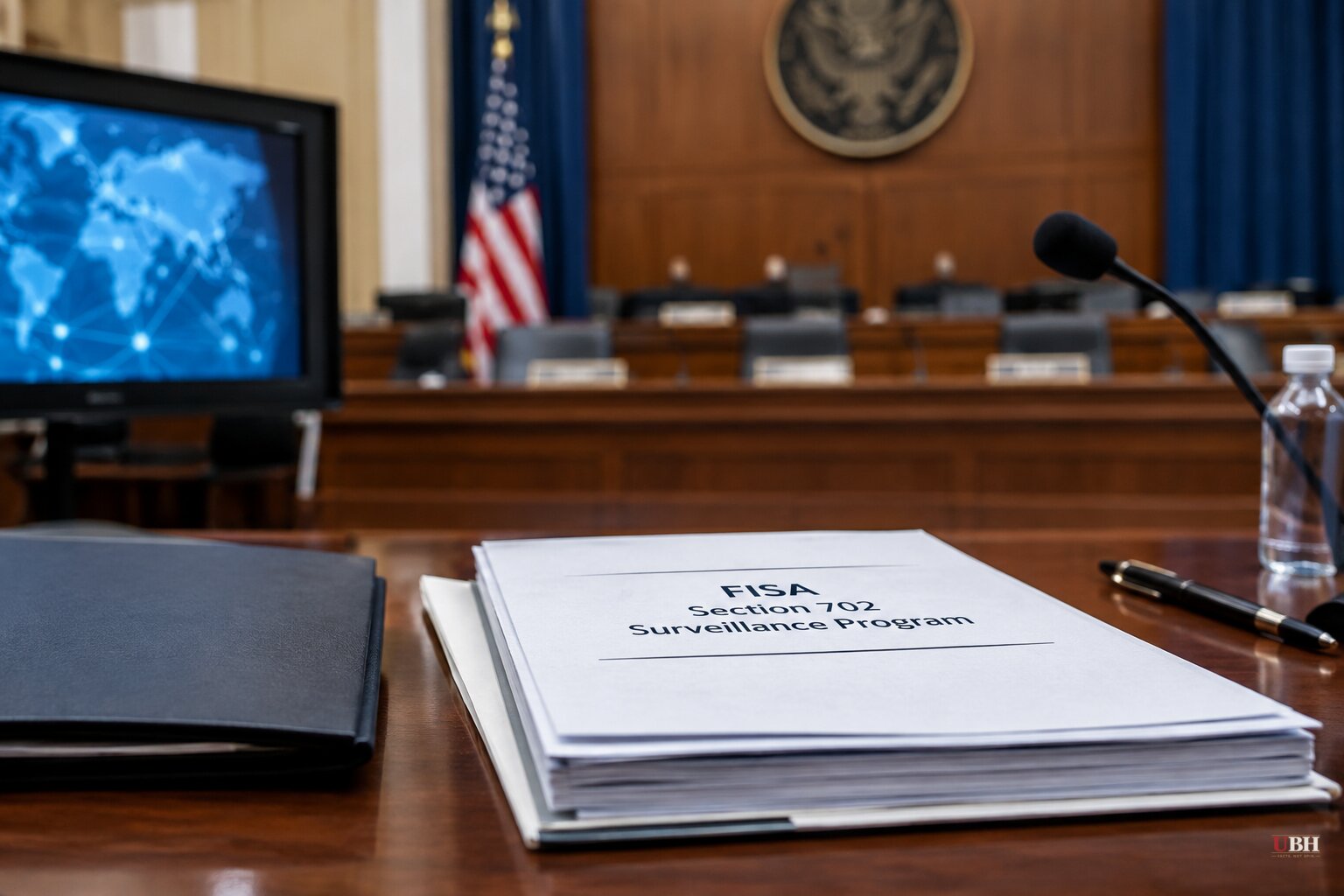
Section 702 of the Foreign Intelligence Surveillance Act, the program that lets U.S. spy agencies collect communications of foreign targets located overseas, has been running on borrowed time since June 12, 2026. That's the day Congress's own statutory authorization for the program lapsed, according to NextGov. Since then, the program has continued to operate solely under a separate authorization from the Foreign Intelligence Surveillance Court, which is set to expire in March 2027.
According to The Hill, staff from the Office of the Director of National Intelligence told congressional lawmakers this month that Congress needs to move fast. The FISC recertification process takes months, ODNI staff said, and the government needs a new certification application filed well before the March 17 court deadline.
House Intelligence Committee Chairman Rick Crawford (R-Ark.) backed up that urgency. "The fact is, the courts have to recertify in December," Crawford told The Hill. "Yes, the program is authorized till March, but they've got to recertify in December. If we don't deliver something before that, it's" a warning that the clock is tighter than the March deadline suggests.
How the program got here
This isn't the first time Section 702 has come down to the wire in 2026. NextGov's coverage shows a string of short-term patches and collapsed deals stretching back to April. The House passed a 10-day extension on April 17 after a five-year reform proposal collapsed amid opposition from both privacy-minded Democrats and GOP hardliners. The Senate cleared its own 10-day patch by unanimous consent the same day.
Later that month, the House passed a three-year extension on April 29, followed by a 45-day extension on April 30 after senators secured a deal to declassify more information about how the program works. None of it produced a durable law. By June 12, congressional authorization ran out entirely, according to NextGov, which described the lapse as the result of a "months-long standoff over privacy and the future of the nation's top spy office."
That standoff got more complicated on June 3, when Senate Democrats warned that President Trump's move to install the FHFA director atop the nation's top intelligence office could make it harder to reach a deal on Section 702, according to NextGov.
A FISC judge issued a ruling in April 2026 taking issue with how spy agencies use filtering tools to sift through the raw data the program collects, and the Justice Department is appealing that ruling, NextGov reported.
Why the program still works without a law behind it
Despite the statutory lapse, the surveillance keeps running. The Hill reports that phone and email providers are still cooperating with government requests and haven't sued to challenge the program's legality. That voluntary cooperation is effectively holding the system together while Congress and the courts sort out the underlying authority.
The Democratic objection
Rep. Jamie Raskin (D-Md.), the top Democrat on the House Judiciary Committee, argues the Thanksgiving deadline is manufactured. "They obviously just want to get it done because they know they're going to lose the elections because they have fallen out of favor with the American people for good reason, and because they know they're not going to be in control, they feel this is their chance to push FISA through without the privacy protections that America wants," Raskin told The Hill. He and other Democrats want any renewal to require a warrant before the government can review information incidentally collected on Americans during 702 surveillance, a reform that has been debated in Congress for years and was left out of the various stopgap patches passed in April.
Requiring a warrant to query incidentally collected American communications is a mainstream civil-liberties position that has drawn support from lawmakers on both sides of the aisle in past FISA debates, not just Democrats. Whether that reform gets attached before any new deadline, or gets steamrolled by a time-pressure argument from the intelligence community, is the actual fight playing out right now.
Raskin's position is that March 17, not Thanksgiving, is the real deadline Congress needs to hit. Crawford's position, backed by ODNI staff, is that the paperwork and court process for recertification realistically has to begin in December, which means Congress effectively needs to act before Thanksgiving if it wants any say in what the certification looks like. Neither side disputes the March 17 court deadline itself. They disagree on how much runway is needed and whether that runway is being used as leverage against privacy reforms.
Congress returned from summer break with no public timeline for a floor vote on a long-term Section 702 renewal. Whether lawmakers deliver anything before Thanksgiving, or run the clock down toward the March 17 court deadline as Raskin prefers, remains unresolved.
Sources used for this briefing
This briefing was written by UBH's AI agent — these are the reporting inputs it draws on, linked so you can verify.


