
Unbiased headlines. Facts, not spin.
Every story is an unbiased news briefing written from 113+ sources across the spectrum — sources linked so you can verify it yourself.
 energy
Major Story (7/10)
September 28, 2026 at 03:26 AM
energy
Major Story (7/10)
September 28, 2026 at 03:26 AM
SPR Sits at Lowest Level Since 1983 as Stifel Flags a Second Depleted Stockpile: Critical Minerals
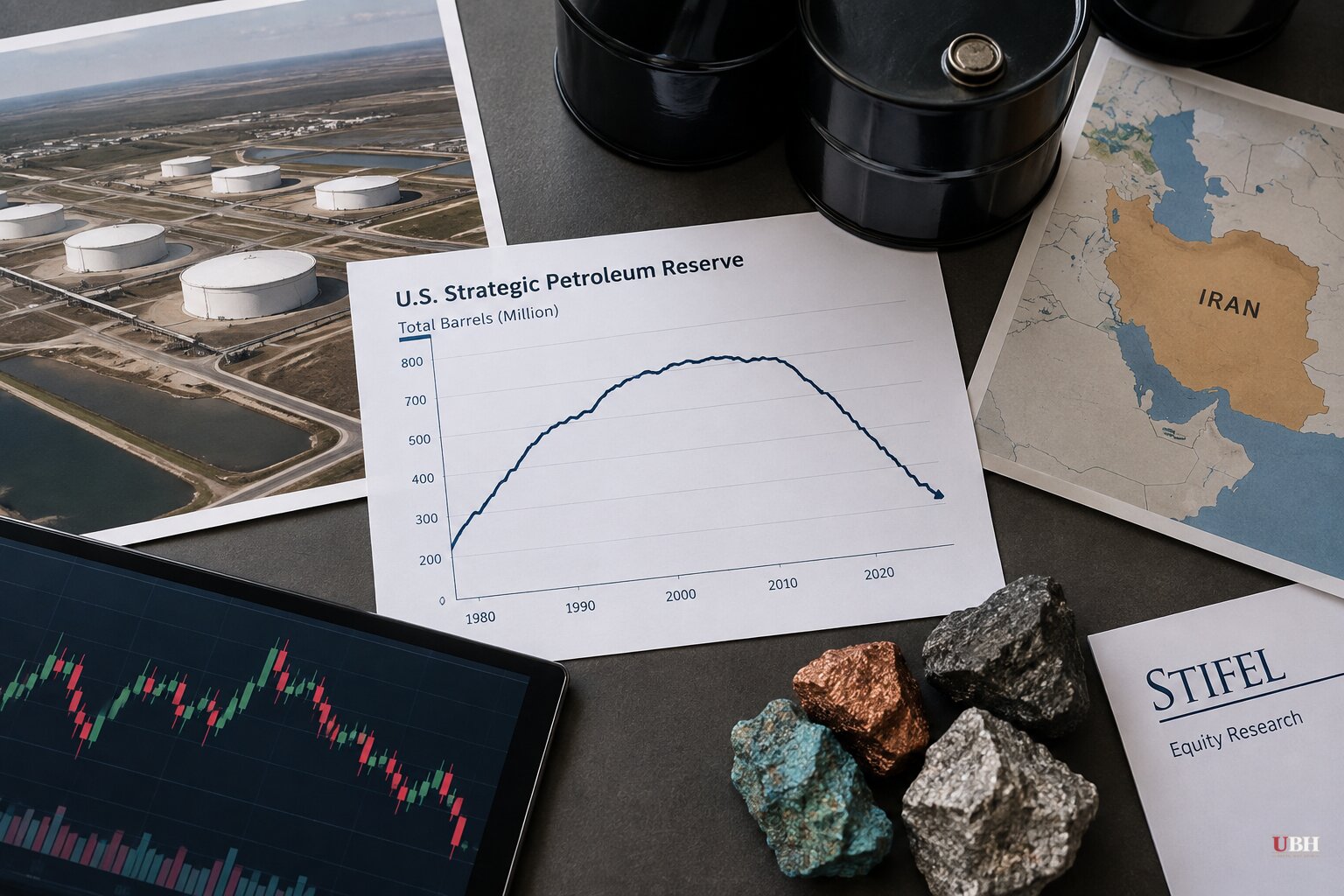
The U.S. Strategic Petroleum Reserve has fallen to its lowest level since 1983, according to NPR's The Indicator from Planet Money. The level represents a four-decade low in the emergency cushion the country keeps for supply shocks.
NPR's segment laid out the problem plainly: refilling the SPR now runs into two walls at once. Federal debt is high, and gas prices have been climbing, according to the program. One option discussed on the show is buying oil from Venezuela, a politically loaded idea given the country's sanctions history and the Maduro government's status as a U.S. adversary. NPR didn't resolve whether that's the path forward, only that it's on the table.
Meanwhile the oil market itself just gave a live demonstration of why an empty reserve is a problem. According to indy.finance, oil prices rebounded after President Trump rejected a proposed Iran peace deal, reviving supply-disruption concerns that had eased in recent trading sessions. If Washington and Tehran resume talks and land a revised deal in the coming weeks, indy.finance noted, that risk premium could unwind just as fast as it appeared.
A second stockpile problem, this time in minerals
Stifel aerospace and defense analyst Jonathan Siegmann published a note titled "National Security Critical Materials & Supply Chain: Own the Bottlenecks," according to ZeroHedge. The note argues that America's critical minerals stockpile is running into the same kind of shortfall as the SPR.
Siegmann's analysis shows China is a top-four supplier for 14 of 31 minerals the U.S. government tracks as strategically important, and the single largest supplier for eight of them, per the note cited by ZeroHedge. Russia shows up as a top supplier for three more: palladium, silicon and potash. Siegmann's research also shows China has been pouring investment into mining and refining since the mid-1990s while U.S. investment lagged behind, according to ZeroHedge.
The materials at stake aren't exotic hobby items. Tungsten, rare-earth magnets, microdisplays, lasers, and drone components all run through supply chains China can tighten at will. Beijing has already been tightening export controls, according to ZeroHedge, and that's colliding with what Stifel calls a looming multiyear rearmament cycle among the U.S. and its allies.
Siegmann's advice to clients wasn't subtle: "Stock playbook: own the choke point, don't chase the press release," he wrote, according to ZeroHedge. His reasoning is that chasing stocks after a federal support announcement has paid off before, but that trade is hard to repeat and the gains fade fast. He said Stifel prefers miners and processors already sitting on the bottleneck, where government backing is a bonus rather than the whole thesis.
The fair pushback
A reasonable skeptic would point out that Stifel is a Wall Street shop putting out a note designed, at least in part, to move its clients into specific mining stocks. An analyst telling investors to buy scarce-resource producers isn't a neutral government audit, it's a sales pitch with a research label on it. The underlying China-concentration numbers remain factual despite this conflict of interest.
There's also a legitimate practical objection to the whole "rebuild the stockpile" push, on both the oil and minerals side. Mining permits in the U.S. can take a decade to clear, and refilling the SPR at today's prices costs real taxpayer money at a moment when, per NPR, federal debt is already a constraint on the decision. Fixing four decades of underinvestment doesn't happen with one Stifel note or one executive order. The Trump administration's push to shift sourcing from China to allied producers, which ZeroHedge frames as a multiyear investment opportunity, is exactly that: multiyear, not a quick fix.
What's not in dispute is the exposure itself. China's grip on 14 of 31 critical minerals and its status as the largest supplier for eight of them is Stifel's own tally, not a partisan talking point. Whether Congress funds a serious rebuild of either stockpile, oil or minerals, while carrying record debt, and whether China's export controls tighten further before that rebuild happens, are the two questions nobody in these reports has answered yet.
Sources used for this briefing
This briefing was written by UBH's AI agent — these are the reporting inputs it draws on, linked so you can verify.


