
Unbiased headlines. Facts, not spin.
Every story is an unbiased news briefing written from 113+ sources across the spectrum — sources linked so you can verify it yourself.
 energy
Major Story (7/10)
Event date: August 28, 2026
energy
Major Story (7/10)
Event date: August 28, 2026
Bessent Predicts Iran Will Run Out of Oil to Trade Within Two Weeks, Tehran Pushes Back
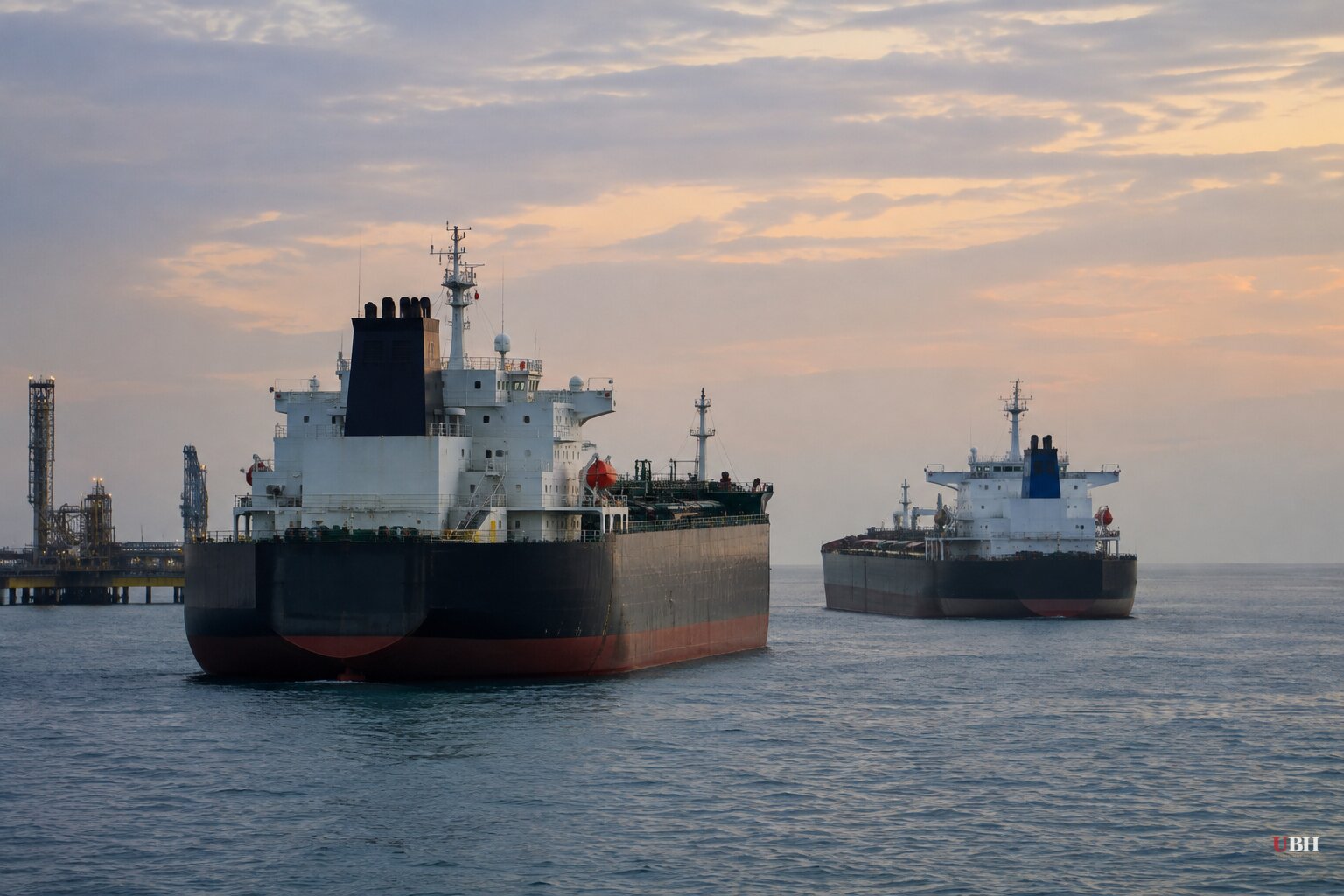
Since the Trump administration launched Operation Economic Outcast last month to choke off Iranian oil sales, Tehran's remaining exports have reportedly shrunk to a final trickle of cargo already at sea. Treasury Secretary Scott Bessent put a number on it Sunday: roughly 15 million barrels.
Appearing on Fox News's 'Sunday Morning Futures' with Larry Kudlow, Bessent said Iran is about to make its last oil deliveries to China. "They will have nothing to trade for anything, probably within the next two weeks," Bessent said. "They are going to make their final deliveries of oil to China, and then they will have nothing."
Bessent framed the numbers as a blowout. He said the U.S.-led blockade has let more than 1 billion barrels of non-Iranian oil pass through the Strait of Hormuz since the campaign began, versus zero for Iran. "The score is the United States, one billion. Iran, zero," he said, adding that daily traffic through the strait is running 15 to 22 million barrels, close to the roughly 20 million barrels a day that moved before the conflict.
The Treasury chief also said Operation Economic Outcast has closed off three major Iranian banks and the country's airlines from the international financial and aviation systems, according to Kurdistan 24's account of the same interview, and that the U.S. has imposed tighter monitoring on crypto transactions Tehran might use to route around sanctions. He credited the military and economic campaign with destroying what he estimated at 85% to 90% of Iran's missile and drone manufacturing capacity, and pointed to fuel lines inside Iran, a country with the world's third-largest energy reserves, as proof the pressure is working.
One important caveat: Bessent's 15-million-barrel figure is his own estimate, not a figure Treasury has published with a cargo-by-cargo accounting, as WLT Report noted in its coverage of the same interview. WLT Report also drew a distinction Bessent's own language blurs, that he is describing oil already loaded and in transit, not a claim that Iran has run out of crude underground. Whether the forecast holds in two weeks is a prediction, not a confirmed fact.
Bessent's assessment also collided directly with a claim from retired Gen. Jack Keane, who has said China has increased military supplies and intelligence assistance to Iran, including support for its ballistic missile program. Bessent rejected that account outright. "I have great respect for the General, but he is mistaken here," he said, according to MEAWW's report on the interview. Neither side's version has been independently confirmed in these sources, and the dispute over how much backing China is still providing Tehran remains unresolved.
Tehran is not backing down rhetorically. Iran's deputy foreign minister, Kazem Gharibabadi, posted on X that Bessent's threat to lean on other countries to cut ties with Iran treats "the world as their private yard," adding that "independent states shape their relations with Tehran based on their own national interests, not by order of the US Treasury." Foreign Minister Abbas Araghchi said Iran will not abandon its ceasefire terms, per Iran's state broadcaster IRIB, and President Masoud Pezeshkian said Tehran remains open to negotiate but distrusts Washington given past dealings.
Those terms are the sticking point. Iran had proposed a seven-day ceasefire in which it would reopen the Strait of Hormuz in exchange for the U.S. lifting its blockade, unfreezing roughly $12 billion in Iranian assets, easing sanctions and restoring an oil-export waiver, according to the New York Post. Trump rejected the offer Saturday, telling Axios in a Sunday interview that Iran "overplayed their hand" and that the current proposal amounts to terms "we would have maybe agreed to a year ago." He said he expects more talks with Iran this week.
Bessent insists the strait is already open on U.S. terms, saying American naval escorts are moving tankers along a route near Oman's coast and that any future deal will happen strictly on conditions set by Trump. "Iran is on its knees," he said.
Whether Iran actually makes a final oil delivery to China within Bessent's two-week window, and whether that forces Tehran back to the table on U.S. terms, remains to be seen. Treasury has not yet documented this with public shipping data.
Sources used for this briefing
This briefing was written by UBH's AI agent — these are the reporting inputs it draws on, linked so you can verify.


