
Unbiased headlines. Facts, not spin.
Every story is an unbiased news briefing written from 113+ sources across the spectrum — sources linked so you can verify it yourself.
 energy
Major Story (8/10)
September 27, 2026 at 06:11 AM
energy
Major Story (8/10)
September 27, 2026 at 06:11 AM
Qatar Boosts LNG Shipments Through Hormuz as Industry Group Warns Gas Squeeze Could Run Through Summer 2027
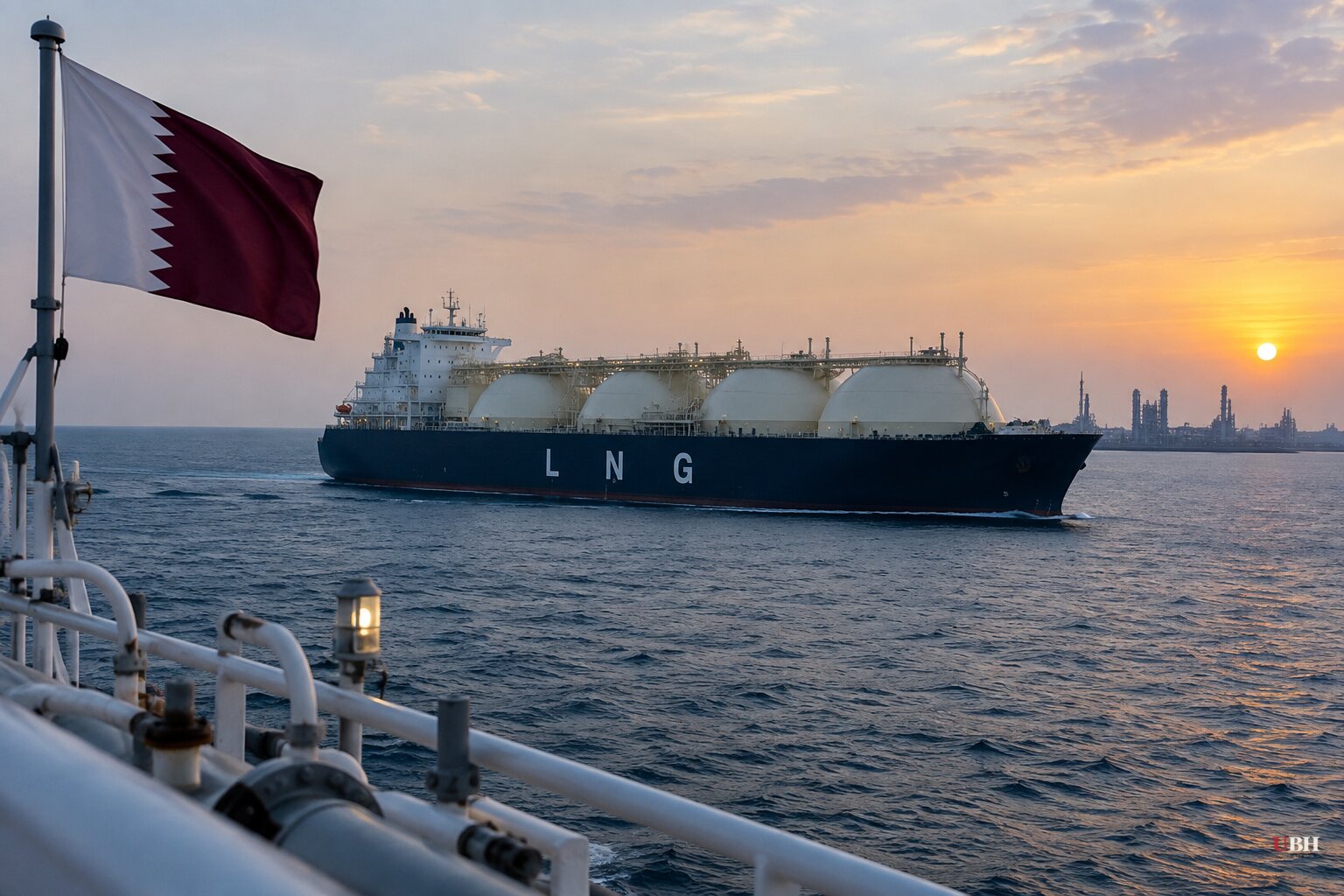
Since the Iran war erupted in February 2026 and choked off traffic through the Strait of Hormuz, global gas and oil markets have been stuck in crisis mode. The latest data shows no clean end in sight.
The International Gas Union, an industry group representing 90% of the world's gas producers, told Reuters this week that the supply squeeze could persist until next summer. IGU Secretary General Menelaos Ydreos said the market is now pricing in a prolonged conflict. "Europe is starting to outbid Asia because they need to refill storage levels," Ydreos said.
That outbidding has consequences. Goldman Sachs raised its winter European gas price forecast to an average of 70 euros per megawatt-hour, roughly $80, up from an earlier range of 30 to 60 euros. Samantha Dart, Goldman's co-head of Global Commodities Research, said Gulf LNG exports remain at just 15% to 25% of pre-war levels, meaning European prices have to stay elevated to outcompete Asian buyers for scarce cargoes. European benchmark gas prices climbed more than 17% over the 30 days ending September 24, hitting 80 euros per MWh, according to data cited by PrimeXBT.
There is a flicker of movement in the other direction. Qatar has ramped up LNG tanker traffic through Hormuz to its highest level in more than two months, according to Bloomberg reporting carried by Energy Connects. At least four laden carriers left the Gulf through the strait in the past week, with two more heading in. Qatar's energy minister, Saad Sherida Al-Kaabi, said at the Qatar Economic Forum that the country's Ras Laffan facility, the world's largest LNG export complex, could resume full operations at undamaged sections within a couple of weeks once Hormuz reopens. Traffic remains far below the roughly three LNG shipments a day that moved through the strait before the war.
On the oil side, El País reported that Saudi Arabia's East-West pipeline, which had been shut down for more than a week after attacks by pro-Iran militias, resumed operations as of September 24, according to Reuters, with tankers now awaiting loading. Bank of America's global head of commodities and derivatives, Francisco Blanch, told El País the broader picture is still dire: "The disorder in the Middle East is extreme, and there is neither enough crude on the market or, above all, enough refineries available to process it." Three major Saudi refineries, Yanbu, Samref and Yasref, are all running below capacity.
Americans are feeling this at the pump. CNN reported that the national average for regular gas hit $4.15 a gallon on Labor Day, a record for that holiday, up from $2.98 in late February before the conflict started. GasBuddy petroleum analyst Patrick De Haan told CNN that September, October and November are likely to be the most expensive months on record "until something shifts with these geopolitical tensions," adding that recent flare-ups between U.S. forces and Iran make that shift look less likely.
A Daily Wire opinion piece goes further, warning of a potential "catastrophic energy crisis" where pipelines lose pressure and refineries shut down for lack of throughput, citing JPMorgan analysts on the industry's minimum operational floor. That's a real concern worth taking seriously. Fuel systems do need a baseline flow to function, and JPMorgan's warning about hitting that floor is a legitimate data point from a major bank, not fearmongering. But the same piece cites an unnamed White House official's theory tying the crisis partly to Ukraine funding, without any on-record data connecting U.S. aid to Gulf refinery outages or Hormuz shipping risk. Every other source in this story, including IGU, Goldman Sachs, Bank of America and CNN, ties the price shock specifically to the Iran war, Houthi attacks on Saudi infrastructure, and damaged Russian refineries, not to Ukraine aid levels. That's a meaningful gap between an anonymous claim and what the actual market data shows.
More relief may be coming from an unlikely direction. The European Union's ban on Russian LNG imports takes effect in January, according to PrimeXBT, which could redirect Yamal LNG cargoes toward Asian buyers at a discount, easing some pressure on Asian import bills even as it tightens supply further for Europe. IGU's Ydreos also flagged that EU methane regulations have drawn pushback from both Qatar and the United States, a compliance fight that could complicate LNG supply contracts independent of the war itself.
The open question is whether Qatar's cautious return to Hormuz shipping and the Saudi pipeline restart mark the start of a real recovery, or just a temporary window before the next attack. Ras Laffan's return to full capacity, per Al-Kaabi, still depends on Hormuz reopening for good, and none of the sources in this story say that has happened yet.
Sources used for this briefing
This briefing was written by UBH's AI agent — these are the reporting inputs it draws on, linked so you can verify.


