
Unbiased headlines. Facts, not spin.
Unbiased Headlines is an independently owned news organization. We bring you the facts, not opinions, written fresh from 110+ named sources. Sources linked so you can verify it yourself.
 energy
Notable (5/10)
Event date: November 6, 2026 ·
Spain Orders Farmers to Store 12% of Olive Oil Crop Until September 2027 After Prices Fall 15%
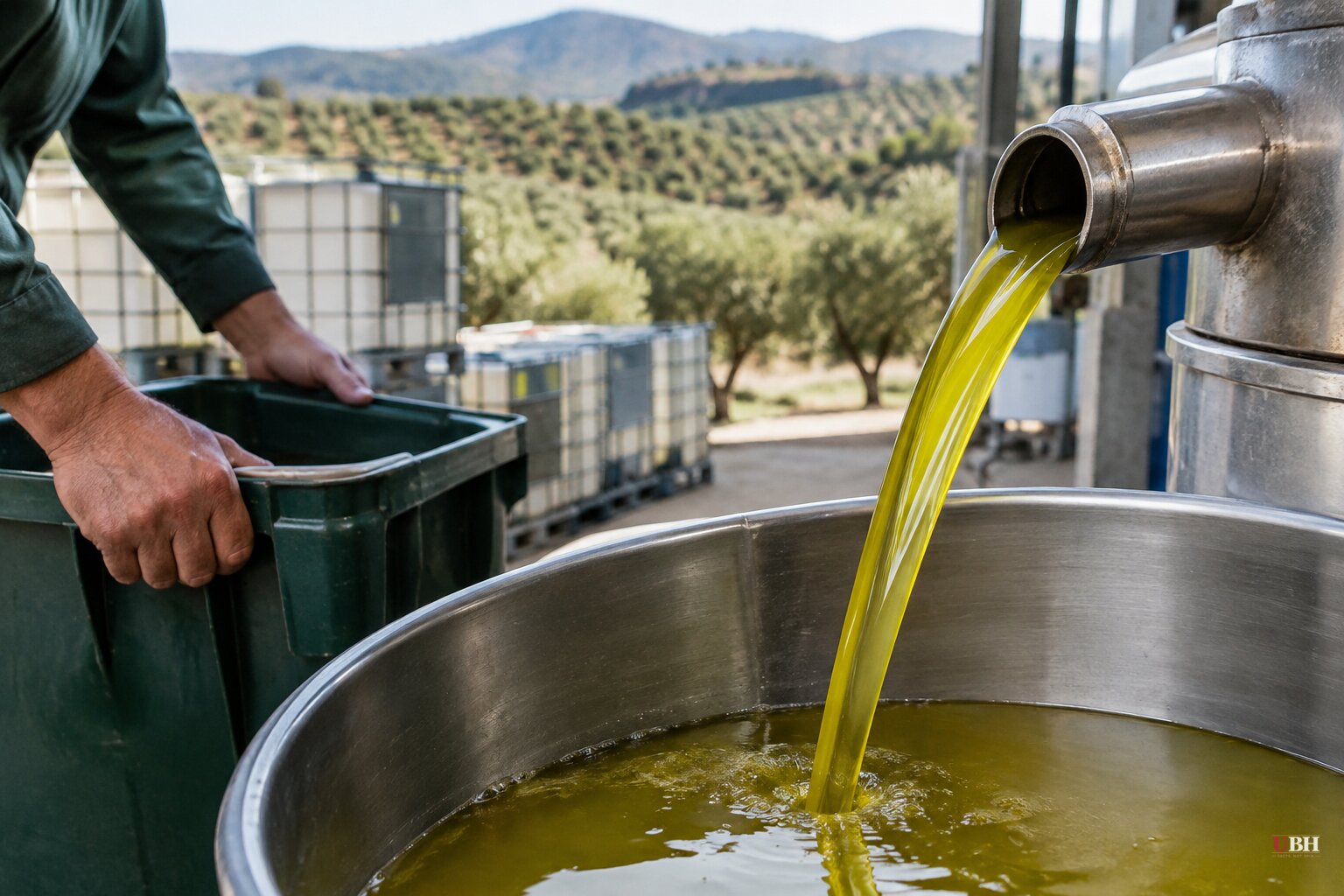
Spain has ordered its olive growers to sit on part of the crop. The agriculture ministry said that from Nov. 6, 2026, producers must keep 12% of their 2026/27 output in storage until Sept. 30, 2027. That works out to about 188,000 tons pulled from the market.
The oil can be stored on the farm or at third-party facilities. The ministry says the measure does not cut production or destroy stock. It is mandatory storage for a set period.
Spain is the world's top olive oil producer. The order is described as the first of its kind there.
Why Madrid stepped in
Spanish production this season is forecast at 1.6 million tons, up 23% from last season. If that holds, it would be the country's fourth-largest harvest on record.
The ministry credits mild temperatures and heavy spring rain. They follow the 2022/23 and 2023/24 seasons, when drought and heatwaves crushed output, sent prices to record highs and pushed some European shoppers toward cheaper sunflower oil.
Prices have already turned. At Andalusian mills they averaged €2.93 per kilogram last weekend, down about 15% in roughly two months.
In late October, market participants were still waiting on the ministry's decision. Growers were delaying harvest because prices had fallen below their profitability threshold. Extra virgin oil was being offered at just €3.50 per kilogram, which sellers considered unfair for the quality. Talk then was of a withdrawal of 10% to 20% of stocks, or 200,000 to 400,000 tons. The final order came in at the low end of that range.
The ministry's case
The ministry says the order is meant "to ensure farmers' profitability and also to protect the interests of olive oil buyers." It says "greater stability to the market" benefits producers and consumers alike.
It also argues that without intervention, a surge in supply could deepen the price slide and cut into growers' incomes.
European Union rules allow olive oil to be held back from the market, unless doing so causes excessive market distortion.
The industry pushback
The olive oil industry has objected. Its argument is that the market is global while the order binds only Spanish producers, so the policy can prop up prices only to the extent other countries' supply stays out of the way.
Kyle Holland, a senior analyst at commodity data firm Expana, told the Financial Times that top olive oil buyers already hold hefty supplies. In his view, forcing farmers to store part of the crop would have little immediate effect on prices.
He also flagged the product's shelf life. After several months in storage, he said, "very quickly that olive oil is not going to be extra virgin anymore."
The hold lasts nearly eleven months. Premium grades fetch premium prices, and oil that slips below the top grade while sitting in a tank is worth less when it is finally released.
A pattern of managed supply
Spain is not the only place where governments and industry bodies are managing stockpiles. Quebec Maple Syrup Producers, which runs Canada's strategic syrup reserve, has warned the stockpile will be completely empty by February. Syrup exports jumped nearly 16% last year, up from 9% growth in 2024, as Americans bought ahead of anticipated tariffs after President Donald Trump launched his global trade war.
The Iran war has forced oil-consuming countries to draw down crude stockpiles. The U.S. Strategic Petroleum Reserve has fallen to its lowest level since 1982. Japan had to draw down its rice reserve last year after prices soared in bad weather.
Olive oil is a case where the state is holding product back instead of releasing it. The mechanics are the same: officials decide when supply reaches the market, and farmers and buyers live with the timing.
What comes next
The order runs through Sept. 30, 2027. This season's harvest began in September, so if the calendar repeats, the stored oil will come out right as the next crop is arriving.
Whether that release meets another large harvest, and what Spanish mill prices look like when it does, remains unclear. For now, Andalusian mills are at €2.93 per kilogram, and the ministry is betting that holding back 188,000 tons will keep that number from sliding further.
Sources used for this briefing
6 links from 5 independent newsrooms (syndicated copies of the same report count once)
These are the sources it draws on, linked so you can verify.


