
Unbiased headlines. Facts, not spin.
Unbiased Headlines is an independently owned news organization. We bring you the facts, not opinions, written fresh from 110+ named sources. Sources linked so you can verify it yourself.
 energy
Notable (6/10)
Indian Oil Board Approves Buying Its Own Crude and LPG Tankers as Hormuz Freight Costs Soar
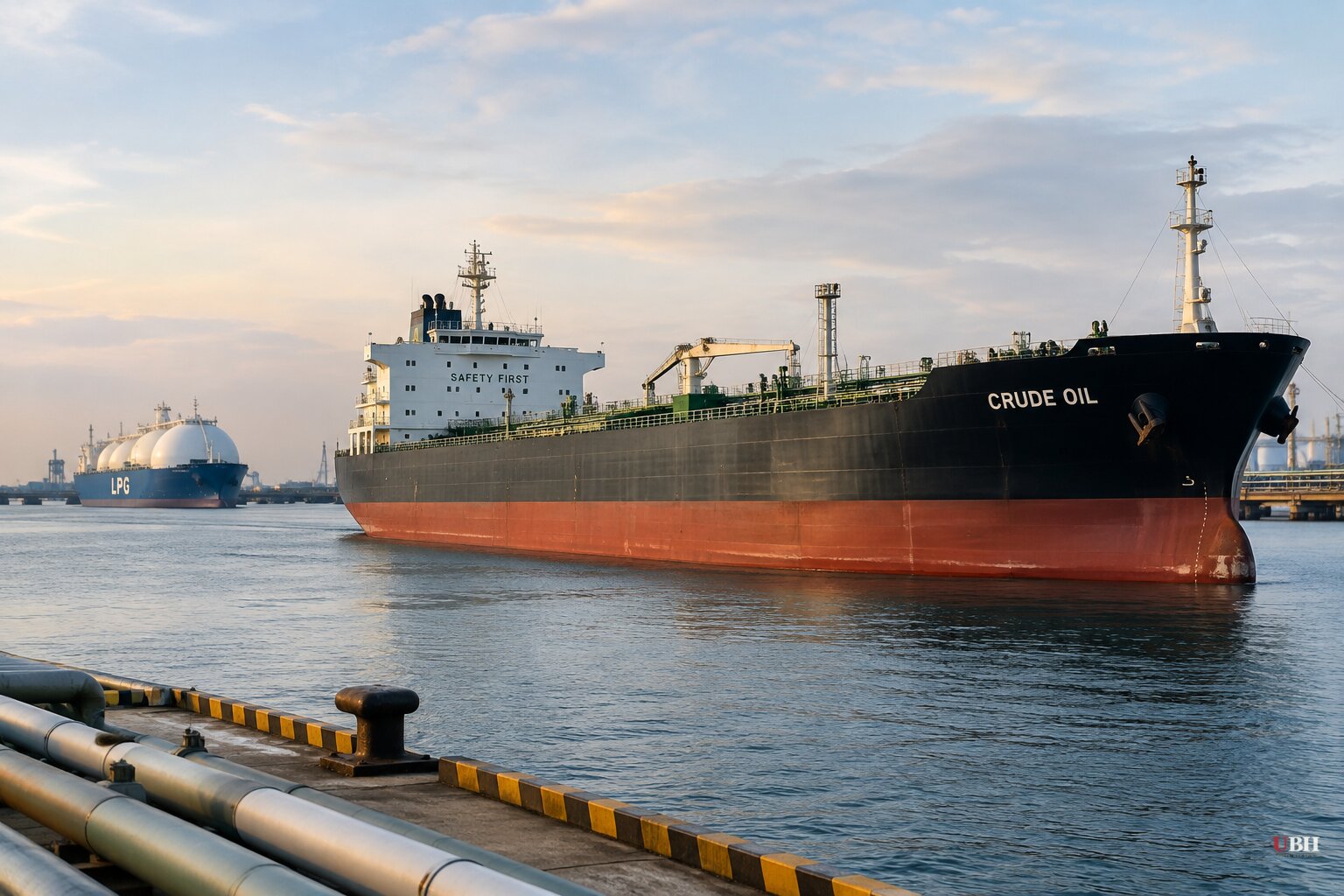
State-owned Indian Oil Corporation (IOC) wants its own ships.
The company's board has approved buying "a few" crude oil and liquefied petroleum gas carriers, Director of Finance Anuj Jain said on the company's second-quarter earnings call. Tenders were issued several months ago, he said.
"The country needs oil sector companies to focus more on the shipping area now," Jain said. IOC is also looking at building ships in India under the government's Make in India program.
The freight gap behind the decision
The numbers Jain gave explain the urgency. IOC holds three crude tankers and nine LPG vessels on time charter. Its chartered crude carriers cost about $2 to $2.50 per barrel. Spot-market rates have hit as much as $8 to $10.
LPG is worse. Freight that normally runs around $40 per tonne has climbed to $160 to $180 per tonne on the spot market, Jain said.
Those charters have delivered "significant cost savings during the current crisis," he said. The problem is that charters expire, and the spot market is where the pain sits.
Disruption around the Strait of Hormuz has pushed up both freight rates and war-risk insurance costs. The U.S.-Iran war began Feb. 28, according to Epoch Times data showing Brent closing near $72 a barrel the day before. Indian basket crude averaged $65 to $70 in February and remained above $100 after hostilities escalated, Jain said.
Where IOC's crude now comes from
The ship plan is one piece of a broader scramble. In the first half of the current financial year, IOC sourced 55% of its crude from Russia and 24% from the Middle East, Jain said. Africa supplied about 10%, Brazil 7%, the United States 2% to 5% and Venezuela 3% to 4%.
Spot purchases made up about 87% of crude sourcing in the first half of FY27, up from roughly 50% the previous year. That is a big swing toward the open market at a time when the open market is expensive and volatile.
Jain said IOC still negotiated favorable pricing. Over the September quarter, it paid between a $5 discount and a $12 premium to benchmark crude, compared with a range of zero to an $18 premium the quarter before. He said IOC continues to buy Russian crude at what the company called optimal prices and is also processing Venezuelan oil.
IOC also plans a modest cut in Middle East crude bought under annual contracts for FY28, according to a source familiar with the matter cited by Reuters last month. For the year ending March 2027, the company had planned about 47% of imports from Gulf producers through annual free-on-board deals, where the buyer carries shipping costs. Attacks on vessels in the strait have restricted tanker availability and pushed freight near record highs, and some Gulf producers have responded by offering delivered pricing and absorbing part of the freight.
Ownership has its own costs
Buying ships is not free insurance. An analysis published by Urban Acres notes that chartering avoids the full capital cost of ownership and keeps flexibility, while owning vessels brings responsibility for maintenance, crewing, compliance and asset utilization. Jain described IOC as weighing three approaches: optimizing existing charters, owning ships and backing domestic shipbuilding.
This is a state-owned company committing public-sector capital into a freight market that is at or near a peak. IOC has not disclosed the number of vessels, their cost or delivery dates.
The blockade and the strait
The Hormuz picture remains unsettled. Vessel traffic through the strait rose in October to its highest monthly level since July, but crude tanker movements fell and security incidents continued, according to S&P Global.
United Against Nuclear Iran (UANI), an advocacy group that ran a months-long investigation, says small Iranian tankers are slipping past the U.S. blockade that Washington reinstated in July. UANI analyst Jemima Shelley said at least nine small tankers carrying Iranian oil or LPG have gotten out of the Gulf of Oman since mid-July. "Most vessels aren't" getting through, she said. UANI says one of them, the SOGL, left Iran with about 500,000 barrels of LPG on Sept. 1 and later received services at a Malaysian anchorage before heading to China. That is UANI's account, which it supports with footage it says it shot from a chartered vessel on Sept. 16.
Oil prices have swung hard. Brent settled at $94.62 on Nov. 4, down 8.7%, after Democrats flipped both the House and Senate in the Nov. 3 midterms. It traded near $96.88 around 11 a.m. ET on Nov. 5. UBS commodity analyst Giovanni Staunovo tied the modest rebound to the unresolved Middle East situation. Sparta Commodities analyst June Goh said more volatility is likely because a diplomatic end to the war is uncertain and strategic reserves are thin.
ING strategists Warren Patterson and Ewa Manthey said the new Congress does not take office until January, leaving room for escalation. Without it, they said, the market is likely to keep shedding its risk premium.
What comes next
IOC's outstanding tenders are the concrete next step. Whether the ships arrive before the freight spike eases, or after, will decide if the purchase looks prudent or expensive. Jain has not given a timeline.
House Minority Leader Hakeem Jeffries said in a Nov. 4 letter that House Democrats must act in their first 100 days in the majority to stop the war. How quickly that, or any diplomatic track, changes conditions in the strait is the open question for IOC's fleet plans.
Sources used for this briefing
7 links from 7 independent newsrooms (syndicated copies of the same report count once)
These are the sources it draws on, linked so you can verify.


