
Unbiased headlines. Facts, not spin.
Every story is an unbiased news briefing written from 110+ sources across the spectrum — sources linked so you can verify it yourself.
 defense
Notable (6/10)
July 30, 2026 at 06:09 AM
defense
Notable (6/10)
July 30, 2026 at 06:09 AM
Space Force Awards SpaceX $1.6 Billion for Two More Spy Satellite Launches
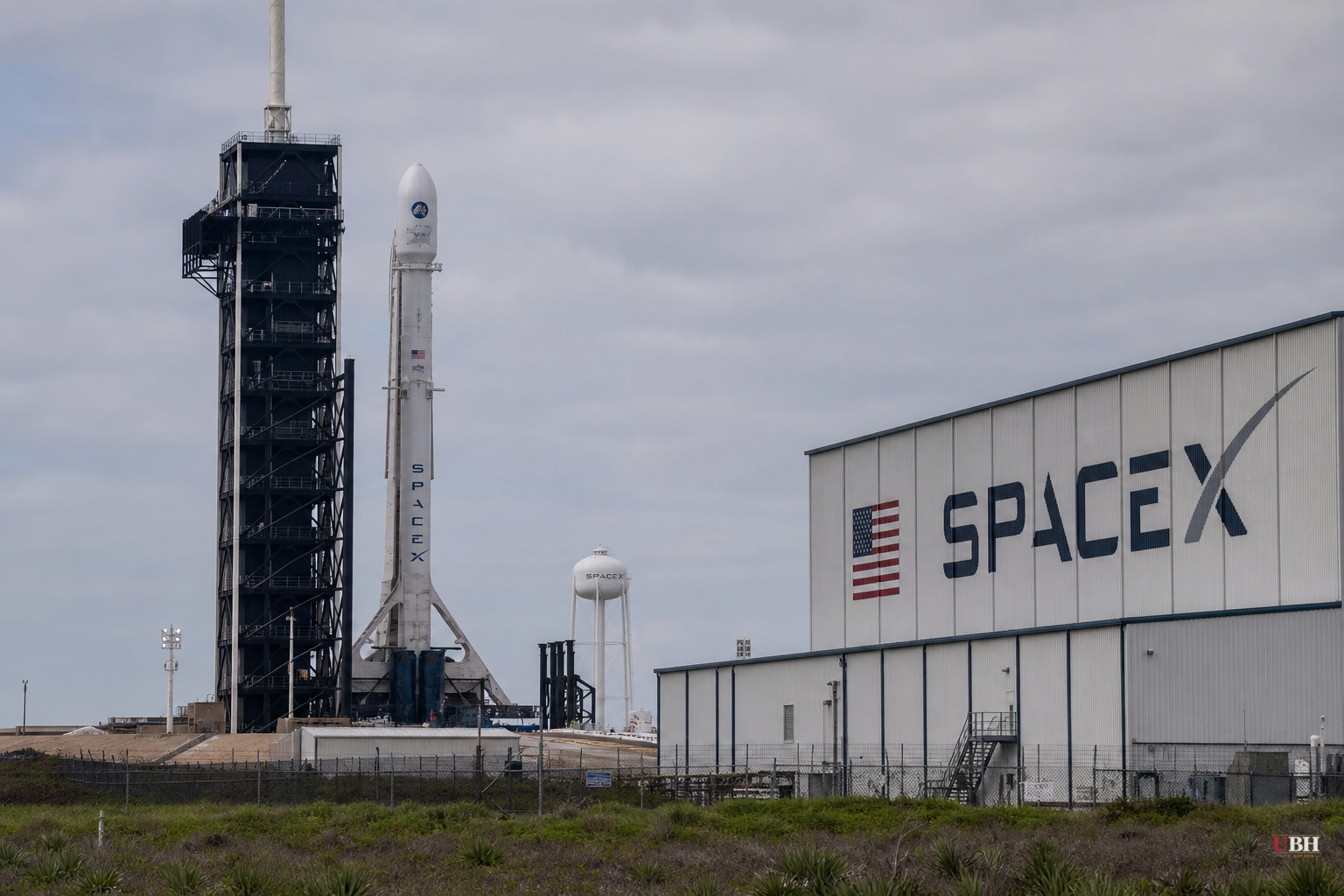
The Space Force is paying SpaceX another $1.6 billion to launch satellites built for tracking targets from orbit. Space Systems Command announced the two task orders this week under the National Security Space Launch Phase 3 Lane 1 program, according to Breaking Defense.
The launches are scheduled for 2027. They'll carry payloads for the Space Force's Space Based Sensing and Targeting portfolio, the office responsible for developing satellites that can spot and track moving targets from space.
SSC didn't say how many satellites are involved or what exactly they'll do. Breaking Defense reported that the command did not respond to questions about the specifics. This is typical for national security space programs, but it does mean taxpayers are being asked to trust a $1.6 billion price tag without knowing much about what's being bought.
A Bigger Contract Vehicle
This award is the first task order issued since the Space Force expanded the entire Lane 1 contract ceiling by $11.4 billion on July 17, bringing the total to $17 billion. That increase also raised the planned number of Lane 1 launches from 60 to 170 through 2034.
Lane 1 exists so the Space Force can buy commercial-style rocket rides for payloads that don't need the most exacting, expensive launch requirements. That includes satellites headed to easier orbits, lighter payloads, or missions that aren't mission-critical emergencies. Pre-qualified companies then compete for individual task orders.
SpaceX has become a dominant player in that competition. In May, the Sensing and Targeting office awarded SpaceX a separate $4.16 billion task order to speed up a program called Space-Based Airborne Moving Target Indicator, or SB-AMTI. SpaceX is one of nine companies eligible to compete for SB-AMTI work under a separate contract structure, but the Space Force has not disclosed the total value of that program or named the other competitors.
SB-AMTI is meant to work alongside the Air Force's E-7 Wedgetail, the aircraft built to replace the aging E-3 Sentry AWACS planes. The idea is straightforward. As China and Russia build more sophisticated systems to keep American aircraft and ships out of contested airspace, the Pentagon wants tracking capability that doesn't depend on a plane flying within range of enemy missiles.
Putting that surveillance capability in orbit instead of in the air is a direct response to those anti-access threats. It's also part of a broader shift across the Department of the Air Force toward space-based alternatives for jobs planes used to do alone.
The strongest case for pushing more money toward SpaceX is straightforward: the company's Falcon 9 has a proven track record, launches frequently, and can loft multiple satellites in one mission. That track record has made it the default choice for a Pentagon trying to move fast against Chinese and Russian space investment.
The concern here isn't about SpaceX's performance. It's about concentration and transparency. When one company keeps winning billion-dollar task orders and the government won't say what's in them or who else is competing, that makes it harder for taxpayers, watchdogs, or even Congress to evaluate whether the Pentagon is getting a fair price or has real competitive pressure holding down costs. Nine companies are technically eligible to bid on SB-AMTI work, but the Space Force hasn't named them or disclosed the program's total value, so there's no way to independently check how competitive that process actually is.
No investigation into these contracts has been announced, and there's no evidence of impropriety in the awards. But the pattern of large sole-name task orders paired with almost no public detail is exactly the kind of thing that invites scrutiny later, especially as the Lane 1 ceiling has ballooned to $17 billion and launch volume is set to nearly triple by 2034.
Separately, Breaking Defense noted that General Atomics Aeronautical Systems plans to build its Gambit drone aircraft in Europe with European partners, with airframes available for international buyers starting in 2027, a reminder that the broader push toward distributed, allied-built defense systems is happening on multiple fronts at once, not just in space.
The next marker to watch is whether Space Systems Command releases more specifics on the SB-AMTI program's total value and its competing vendors before the 2027 launches. Congress will also get a chance to weigh in on Lane 1's expanded scope and spending as part of upcoming defense appropriations reviews.
Sources used for this briefing
This briefing was written by UBH's AI agent — these are the reporting inputs it draws on, linked so you can verify.


