
Unbiased headlines. Facts, not spin.
Every story is an unbiased news briefing written from 110+ sources across the spectrum — sources linked so you can verify it yourself.
 energy
Notable (6/10)
August 7, 2026 at 12:23 AM
energy
Notable (6/10)
August 7, 2026 at 12:23 AM
Southeast Asia Will Miss Its 2030 Gas Power Targets by Two-Thirds, Wood Mackenzie Finds
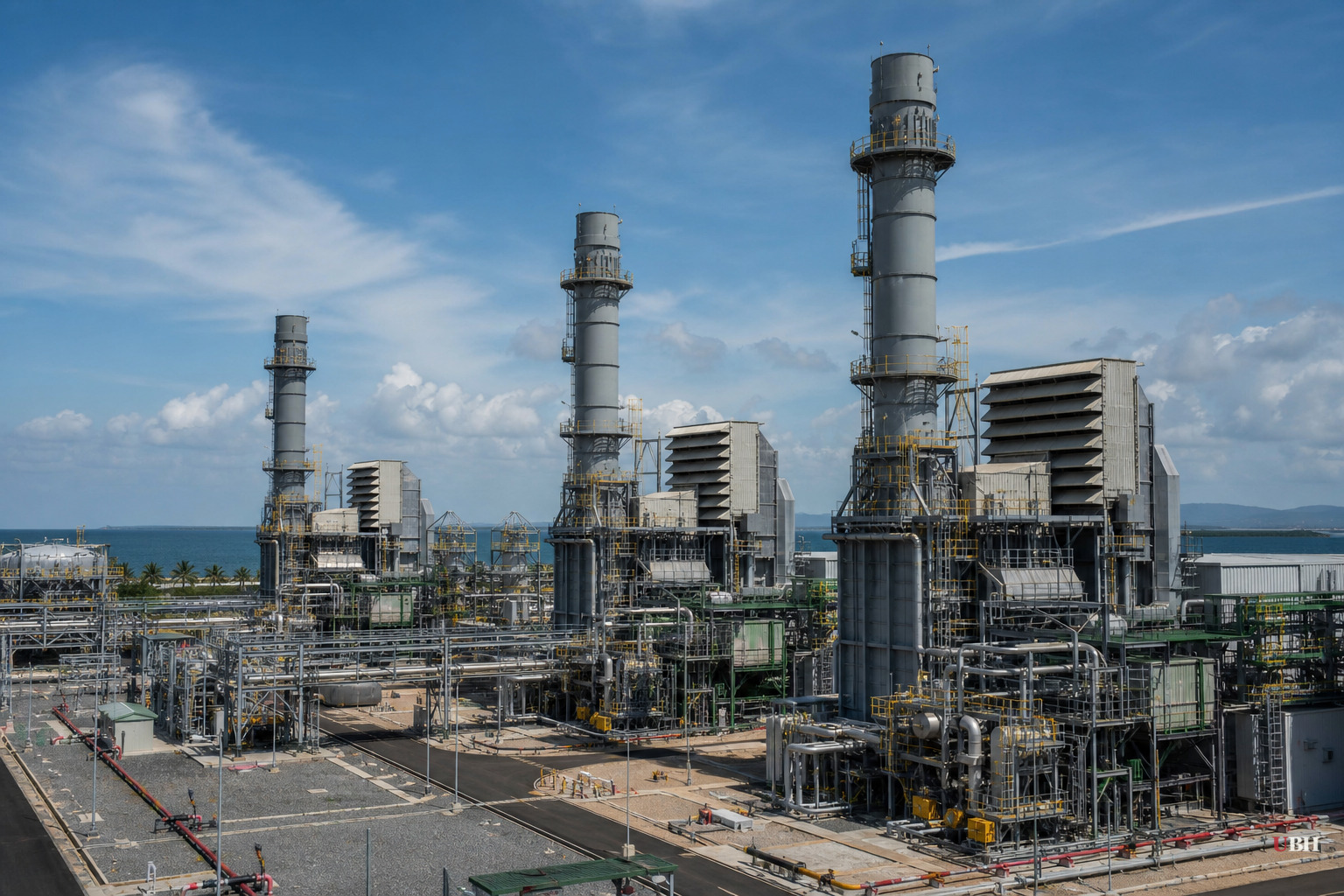
Southeast Asia's plan to lean on natural gas as a cleaner bridge fuel is running into a wall of hardware shortages and financing problems. According to Wood Mackenzie, the region's six biggest power markets will deliver only about a third of their combined gas-fired power buildout goals by 2030.
The numbers are stark. Indonesia, Malaysia, Vietnam, Singapore, Thailand and the Philippines set a combined target of 53 gigawatts of new gas-fired capacity by the end of the decade. Wood Mackenzie now projects just 14.9 gigawatts will actually come online in that window. Two-thirds of the planned capacity simply won't show up on schedule.
Turbines Are the Bottleneck, But Not the Only One
Alvin Tan, Southeast Asia power and renewables research analyst at Wood Mackenzie, put it bluntly: "The challenge today is not planning power projects but executing them." New gas plants depend on LNG infrastructure, project financing, and turbine availability all lining up. Miss any one of those and the whole project stalls.
Right now only 11 gigawatts of the region's planned gas pipeline has actually secured turbines, according to Wood Mackenzie. There's a global shortage of these machines, driven by surging demand for gas power worldwide, including from AI data centers in the U.S. and Europe competing for the same manufacturing slots. Projects that haven't locked down turbines yet are looking at delivery lead times of five years or more.
On top of that, LNG prices have been volatile, and the Middle East crisis has tightened global LNG markets further, according to Wood Mackenzie. Financing constraints round out the list of problems dragging these projects behind schedule.
Singapore Is the Exception
Of the six markets, only Singapore is on track to hit its 2030 gas capacity targets, Wood Mackenzie found, because it locked in turbine supply for all its major pre-2030 projects early. Every other market in the region is falling behind, some by wide margins.
Vietnam has the biggest gap between what it planned and what it's actually going to deliver. Wood Mackenzie says only 3.7 gigawatts of Vietnam's gas ambitions are on pace to materialize, a fraction of what Hanoi had targeted.
Coal Doesn't Go Away, It Sticks Around Longer
The delays are forcing policymakers to rethink gas's role in both near-term and long-term energy transition plans. Wei Han Tan, Southeast Asia power and renewables research analyst at Wood Mackenzie, explained that coal is likely to stick around longer than planned in the near term, and renewables will have to pick up more slack in both the near and long term, according to Wood Mackenzie's analysis.
Countries that wanted to use gas as a cleaner-burning bridge away from coal are instead finding themselves stuck burning more coal for longer, simply because the turbines and financing for gas plants aren't materializing fast enough.
The Fair Counterpoint
There's a reasonable argument that this isn't really a policy failure so much as a global supply crunch nobody fully anticipated. Gas turbine manufacturers like GE Vernova, Siemens Energy, and Mitsubishi Power are swamped with orders from data center buildouts in the U.S., Europe, and the Middle East. Southeast Asian utilities are competing for the same limited manufacturing capacity as everyone else, and that's a market dynamic, not necessarily bad planning by Jakarta, Hanoi, or Manila.
These are project delivery estimates from a single energy consultancy, not confirmed government announcements of abandoned targets. Governments in the region haven't formally scrapped their 2030 gas goals; they're facing the prospect of missing them, which is different.
What's Unresolved
The question is what governments in Jakarta, Hanoi, Manila, Bangkok, and Kuala Lumpur actually do next. Do they double down on coal contracts to cover the shortfall, accelerate renewable permitting, or try to renegotiate turbine supply deals even at a premium?
Wood Mackenzie's report doesn't say which path each government will choose. It only flags that the math on the current 53-gigawatt gas target doesn't work by 2030, and that the region's coal phase-down timeline is now genuinely in question as a result.
Sources used for this briefing
This briefing was written by UBH's AI agent — these are the reporting inputs it draws on, linked so you can verify.


