
Original briefings. Zero spin.
Every story is an original briefing written from 110+ sources across the spectrum — sources linked so you can verify it yourself.
 finance
Notable (5/10)
Event date: May 27, 2026
finance
Notable (5/10)
Event date: May 27, 2026
South Korea's Mock-Trading Rule Cuts Leveraged Chip ETF Volume 94%, Triggers First Monthly Outflows
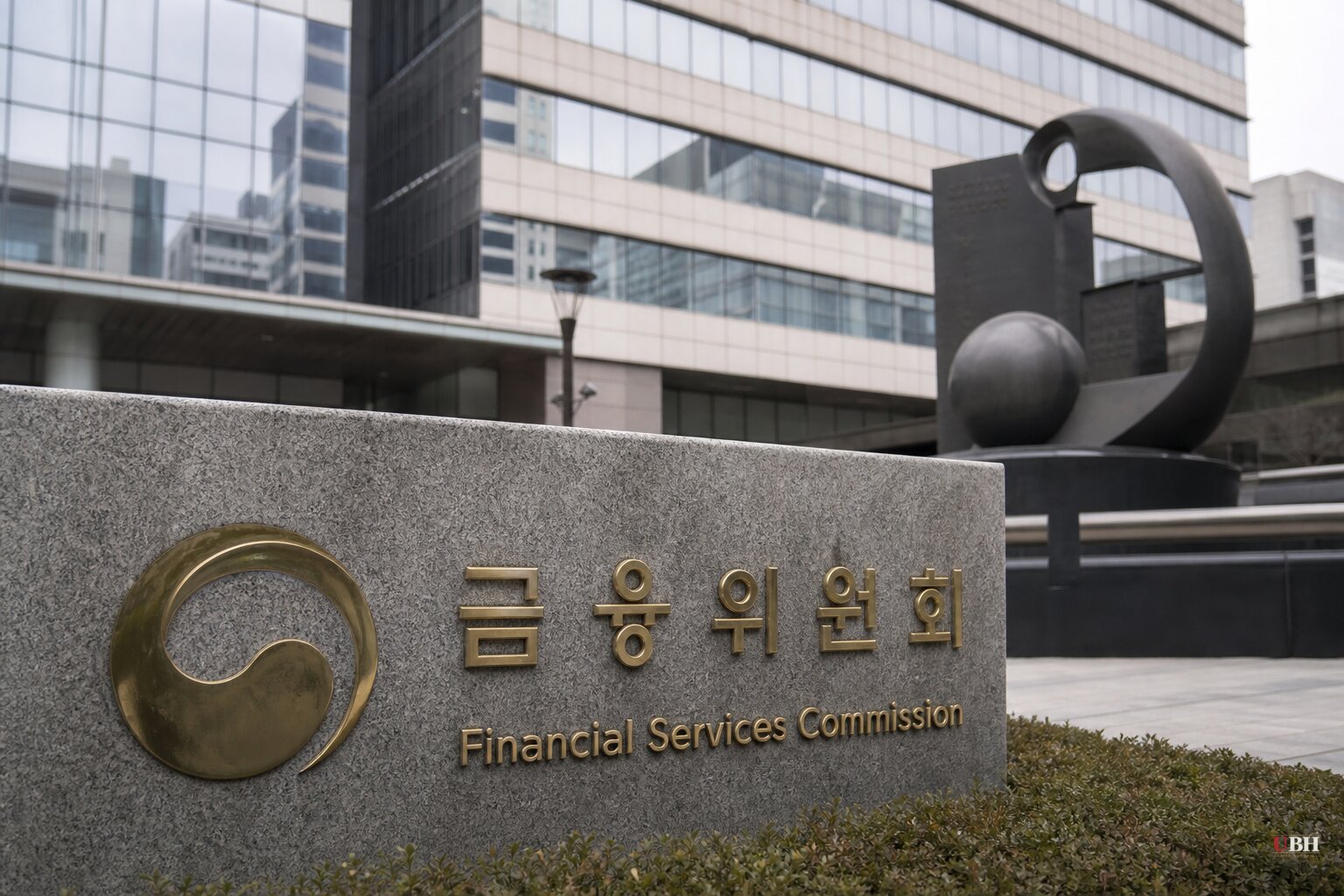
Since single-stock leveraged ETFs tied to Samsung Electronics and SK Hynix launched on the Korea Exchange on May 27, 2026, South Korean regulators have added restriction after restriction trying to cool a trade that turned the country's $4.3 trillion stock market into a casino floor. The latest and most aggressive move, a mandatory five-day mock trading course that took effect August 19, appears to be doing the job.
Daily trading value in the leveraged products has collapsed to about 4% of its June peak, according to Bloomberg's reporting carried by LiveMint. The Financial Services Commission says volume in single-stock leveraged products fell from 12.4 trillion won on July 30 to just 700 billion won by August 11, a drop financemagnates.com pegs at 94%.
The products are now heading for their first monthly net outflow since the May launch. Coinpaper's Emir Abyazov reported roughly $601 million left SK Hynix-linked funds in August and another $381 million exited Samsung-linked funds, combined withdrawals of about $982 million.
How we got here
The Kospi surged 76% in 2025 on semiconductor demand and AI optimism, pushing past 9,300 points by June 2026, according to Crypto Briefing and KuCoin. Single-stock leveraged ETFs launched into that frenzy on May 27 and immediately caught fire. Daily volumes topped 10 trillion won, assets under management peaked near 17.6 trillion won, and the two chipmaker stocks combined with their leveraged ETFs accounted for over 80% of total market turnover at one point, per LiveMint.
Then came July. The Kospi fell about 22% for the month, Samsung dropped 21.5%, and SK Hynix lost 35.5%, according to CryptoRank's coverage of the same Coinpaper report. Because the ETFs reset daily and target roughly double the daily move of the underlying stock, retail investors who bought near the top reportedly lost about half their money on some holdings between late May and mid-July, per Crypto Briefing.
The new rules and the pushback
Regulators responded in stages. They first raised the minimum cash deposit from 10 million won to 30 million won (about $21,000), tightened premium and discount controls, and then, effective August 19, required first-time buyers to complete five separate trading days of simulated trading, logging at least one hour per session on a Korea Exchange platform, plus three hours of education including a two-hour advanced course, according to financemagnates.com.
The mock trading system hands new investors 100 million won in virtual cash so they can watch volatility decay destroy a position in real time, per LiveMint's Bloomberg report. But the mechanics of compliance are tripping people up. Kim Jung-hoon, a 41-year-old from Gyeonggi province, told Bloomberg he won't even attempt it: the program is Windows-only, and his work computer won't let him download outside software. Another investor identified only by his surname, Lee, said he met the 30-million-won deposit requirement but gave up after being told he'd need to download a separate program and create a new account just to log mock-trading hours.
The rule targets inconvenience rather than risk. Adults who understand what they're buying are being locked out by a bureaucratic checklist rather than a substantive risk disclosure. Regulators would counter that the checklist is the substantive risk disclosure, since mock trading forces investors to personally watch a leveraged position bleed value through daily rebalancing before they risk real money on it.
Where the money went instead
Retail risk appetite hasn't disappeared, it's just moved. Coinpaper reports investors bought about 3.5 trillion won ($2.5 billion) of equity-linked securities in July, the highest monthly total since April 2023, with Samsung and SK Hynix again the main underlying names. Chip stocks have since stabilized somewhat: SK Hynix announced a record share buyback, though Samsung shares fell 8.7% after its own shareholder-return package disappointed the market, per Coinpaper.
Edward Chin's piece in the Epoch Times, written from a U.S. vantage point, makes a related observation about the same underlying phenomenon. Record-high indexes like the S&P 500 hitting new highs on August 7 can mask individual AI and semiconductor names down nearly 50% from their highs. The lesson for conservative investors, Chin argues, is that position sizing and liquidity matter more than predicting which chip stock wins. Korean regulators are now trying to impose this principle on retail traders by rule rather than by choice.
The open question is whether Seoul's crackdown actually reduces risk-taking or just redirects it into less-scrutinized products like equity-linked securities. The FSC has not said whether it plans similar guardrails for the ELS market that just absorbed $2.5 billion in a single month.
Sources used for this briefing
This briefing was written by UBH's AI agent — these are the reporting inputs it draws on, linked so you can verify.


