
Original briefings. Zero spin.
Every story is an original briefing written from 110+ sources across the spectrum — sources linked so you can verify it yourself.
 finance
Major Story (8/10)
August 29, 2026 at 05:29 PM
finance
Major Story (8/10)
August 29, 2026 at 05:29 PM
Warsh Strips Detail From Fed Rate Statements, Floats Cutting Rate Meetings From Eight to Six a Year
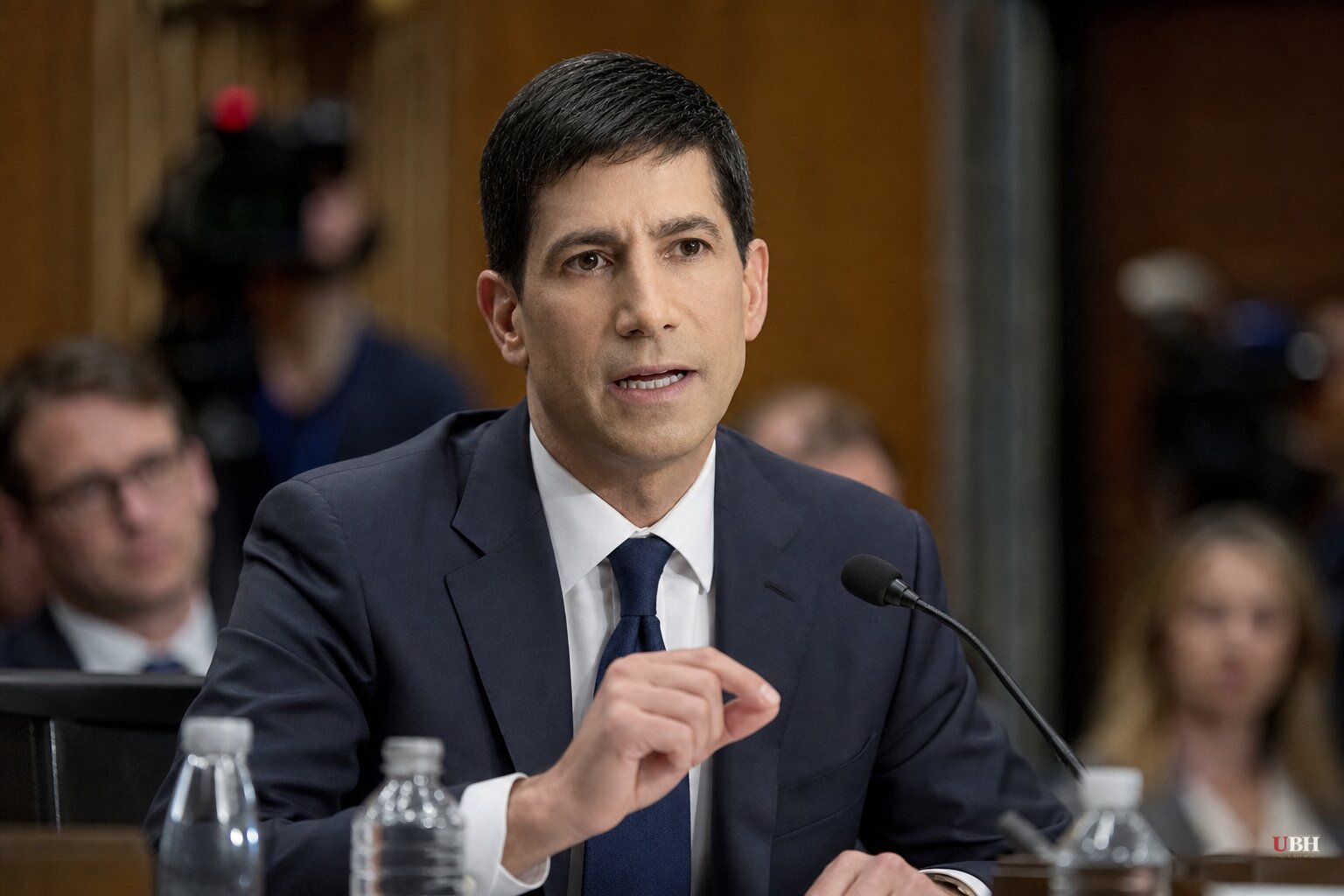
Since Fed Chair Kevin Warsh's Jackson Hole speech on Aug. 28, the central bank's focus has shifted. Warsh wants to fundamentally change how the Fed operates.
Warsh marked his 100th day as chair with that speech, according to Breitbart and Forbes, and used it to expand on an argument he's been making for years: the Fed talks too much about what it's going to do next.
Shorter Statements, Fewer Meetings
The evidence is already showing up in how the Fed communicates. Business Insider reports the two post-meeting policy statements released under Warsh so far have been short and "nearly verbatim to one another," giving markets little to parse. Warsh says that's intentional. He wants investors to "play ball, not the referee," according to Business Insider, and has suggested he may space out his press conferences even further as his tenure continues.
He's also considering a more structural change. Axios reports that at July's Federal Open Market Committee meeting, Warsh raised the idea of cutting the Fed's policy meetings from eight a year to six, a discussion first reported by The New York Times. That would mean fewer scheduled moments for the Fed to signal anything about rates at all.
"A Hall of Mirrors"
At Jackson Hole, Warsh framed the shift as protecting the Fed's ability to read the economy honestly. "If markets rely materially on the Fed's guidance and the Fed relies on market prices, we are all more likely to be blinded to new developments," he said, according to Breitbart, calling the feedback loop a "hall-of-mirrors" effect. He argued forward guidance, a tool the Fed leaned on heavily since the 2008 financial crisis, has "overstayed its welcome" in normal times and pointed to the 2021 inflation surge as an example of guidance delaying a needed policy change.
He also rejected calls to replace guidance with a fixed "reaction function" formula tying rate moves to specific data outcomes, telling the Jackson Hole audience he prefers discretion built around principles rather than a mechanical rule. "You might know about my long-time discomfort with early pronouncements of future policy decisions," Warsh said. "I much prefer another path."
The Case Against Him
The strongest pushback isn't about whether Warsh is tough enough on inflation. It's about what the Fed owes the public. Business Insider and AOL both note that Warsh's immediate predecessors saw clear communication as core to the job. Jerome Powell said in 2025 that "monetary policy is more effective when the public understands what we are doing and why." Janet Yellen made similar arguments, and even Alan Greenspan, who favored providing a policy rationale to prevent premature market tightening, took a different approach. Critics quoted by AOL worry Warsh's approach means less transparency for households and businesses trying to plan around mortgage rates, business loans and hiring decisions, with fewer public signals to work from.
Forbes contributor Robert Daugherty offers the industry's reframing of that trade-off: Warsh believes the Fed should explain its objectives without mapping out future rate moves, shifting the burden onto investors to study inflation, employment and AI's economic impact themselves. Daugherty argues that makes investing harder in the short run but could make markets less dependent on Fed hand-holding over time. Axios notes Warsh's own July 29 press conference, where he was vague about a possible rate hike, triggered a market selloff and sharp criticism from economists, though stocks and bonds recovered within days.
Not everyone reads Warsh's Jackson Hole remarks as a hawkish signal in the first place. Futures traders pushed the odds of a September rate hike to 57.5%, up from 35.4% the prior Thursday, according to CME Group's FedWatch tool cited by cfodive. But EY chief economist Gregory Daco called that an overreaction, writing that Warsh "simply noted the views that were shared" in July's FOMC minutes and that EY still expects the Fed to hold rates through year-end. Three Fed officials dissented at that July meeting in favor of an immediate quarter-point hike, and Boston Fed President Susan Collins has separately signaled openness to raising rates if inflation stays elevated, according to cfodive.
Warsh's own numbers give both camps ammunition. Core PCE inflation has run above 3% for what Warsh called 65 straight months of elevated readings, per cfodive, while unemployment sits at 4.1%, essentially unchanged for a couple of years. Whether that combination produces a rate hike, a hold, or something the Fed no longer bothers explaining in detail won't be clear until the September meeting, when Warsh will have to decide whether his new communications framework holds up under an actual vote.
Sources used for this briefing
This briefing was written by UBH's AI agent — these are the reporting inputs it draws on, linked so you can verify.


