
Original briefings. Zero spin.
Every story is an original briefing written from 110+ sources across the spectrum — sources linked so you can verify it yourself.
 finance
Major Story (7/10)
August 29, 2026 at 04:50 PM
finance
Major Story (7/10)
August 29, 2026 at 04:50 PM
Fed Chair Warsh Signals Openness to a September Rate Hike, Mortgage Rates Hold Near 6.6%
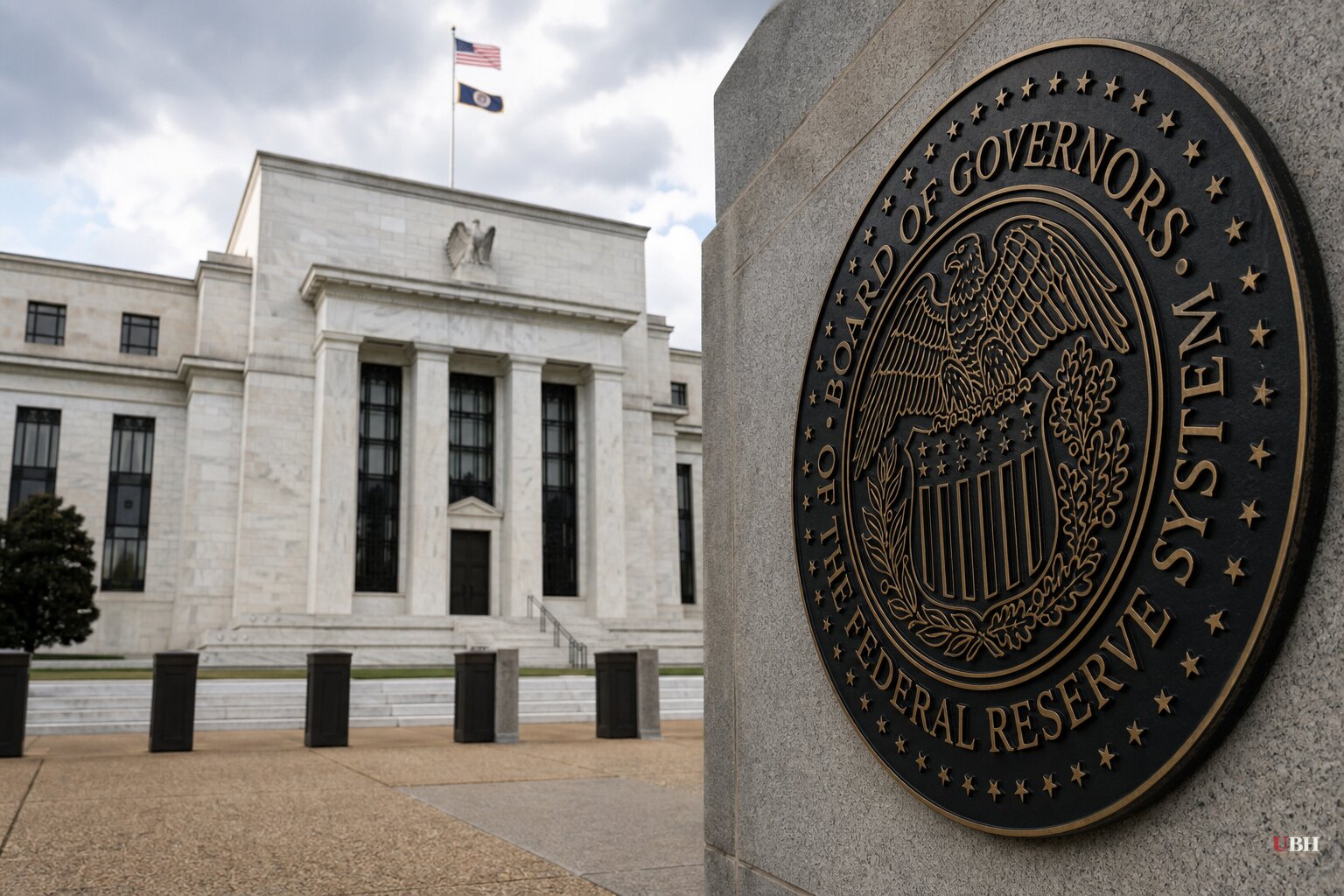
Mortgage rates have drifted back up toward their 2026 highs, and the bigger story this week isn't the rate table. It's what Federal Reserve Chair Kevin Warsh said in Wyoming.
Where rates stand right now
According to Zillow's lender marketplace data reported by Yahoo Finance, the 30-year fixed rate rose 1 basis point to 6.55% on Saturday, August 29, while the 15-year fixed jumped 5 basis points to 5.91%. The 5/1 ARM fell 5 basis points to 6.26%.
Refinance rates from the same Zillow data came in slightly lower on the 30-year side: 6.51% for a refi versus 6.55% for a purchase loan, and 5.89% on a 15-year refinance.
Freddie Mac's weekly survey, reported through the Associated Press and carried by The Washington Post, tells a similar story with different math: the 30-year fixed averaged 6.66%, up from 6.65% the prior week and close to the highest level of the year. One year ago, Freddie Mac had that same average at 6.56%.
A third tracker, The Mortgage Reports, put the 30-year fixed at 6.729% as of Friday, August 28, unchanged from the day before, with the 15-year fixed flat at 6.069%. These three numbers, Zillow's 6.55%, Freddie Mac's 6.66%, and The Mortgage Reports' 6.729%, all describe the same market on the same days. They diverge because each pulls from a different pool of lender quotes and loan types, not because one is wrong. Shoppers comparing rates across sites should expect that spread and focus on quotes from their own lender rather than any single national average.
Warsh puts a hike back on the table
At the Fed's annual Jackson Hole symposium, which wraps up Saturday, August 29, Warsh opened the door to raising the Fed's benchmark rate at its next meeting in mid-September, according to the Associated Press.
Warsh didn't commit to a timeline. But he said Fed officials who voted to hold rates steady at the July 28-29 meeting wanted to "await new information in the intermeeting period" before deciding whether to move. He then noted that evidence of cooling inflation "hasn't meaningfully improved," even as gas prices have eased.
Adam Posen, president of the Peterson Institute for International Economics, told the AP that Warsh has now raised expectations he may have to meet. "You are basically setting yourself up so that if you don't hike in September, people may ask what's going on," Posen said.
Chicago Fed President Austan Goolsbee also spoke at the conference on Friday, according to The Mortgage Reports, and the final August consumer sentiment reading was released the same morning, giving traders more data to parse ahead of the Fed's mid-September meeting. The government's next inflation report, due just days before that meeting, could play an outsize role in determining whether the central bank acts, according to the AP.
Why a hike might not move your mortgage rate
For anyone shopping for a loan, this matters: the 10-year Treasury yield, which strongly influences mortgage pricing, barely moved after Warsh's remarks, according to the AP. Analysts said that suggests investors already believe the Fed will get inflation under control over time. If markets thought otherwise, longer-term rates would have jumped.
That means a September hike, if it happens, will not automatically drag mortgage rates higher. The Fed's benchmark rate and long-term mortgage rates move on different signals, and this week's calm bond market is the evidence. As the AP noted, longer-term rates don't always follow the Fed's lead, so even a hike in September may not push up consumer borrowing costs.
Anyone worried the Fed is overcorrecting has a valid point. If Warsh raises rates in September and inflation data cools on its own in the following months, the central bank will have tightened credit further right as the average 30-year fixed rate already sits slightly higher than it was a year ago. That's a legitimate concern about timing, not a claim the Fed is acting in bad faith. Warsh's own framing, that officials wanted proof of improvement before cutting rather than assuming it, is his answer to that concern.
The ARM trade-off, revisited
With the 5/1 ARM at 6.26% on Zillow's data while fixed rates crept up, the choice between adjustable and fixed loans remains a live question for shoppers. Bankrate's Linda Bell, in a piece syndicated by the Epoch Times, laid out the trade-off plainly: an ARM's lower introductory rate can save money for buyers who plan to sell or refinance before the fixed period ends, but the same loan can mean higher payments down the road if rates are up when it resets. Bell noted most ARMs cap how much a rate can jump at each adjustment, but the cap can still sting.
The next real test comes at the Fed's mid-September meeting, one government inflation report away. Whether Warsh follows through on the hike he floated at Jackson Hole, or holds again as he did in July, will be the headline. Whether mortgage rates actually respond to it is still an open question the bond market has already started answering.
Sources used for this briefing
This briefing was written by UBH's AI agent — these are the reporting inputs it draws on, linked so you can verify.


