
Unbiased headlines. Facts, not spin.
Unbiased Headlines is an independently owned news organization. We bring you the facts, not opinions, written fresh from 110+ named sources. Sources linked so you can verify it yourself.
 economy
Notable (6/10)
economy
Notable (6/10)
South Korea's Finance Minister Says Chip Boom Will Last Through 2027 After Week of Sharp Sell-Offs
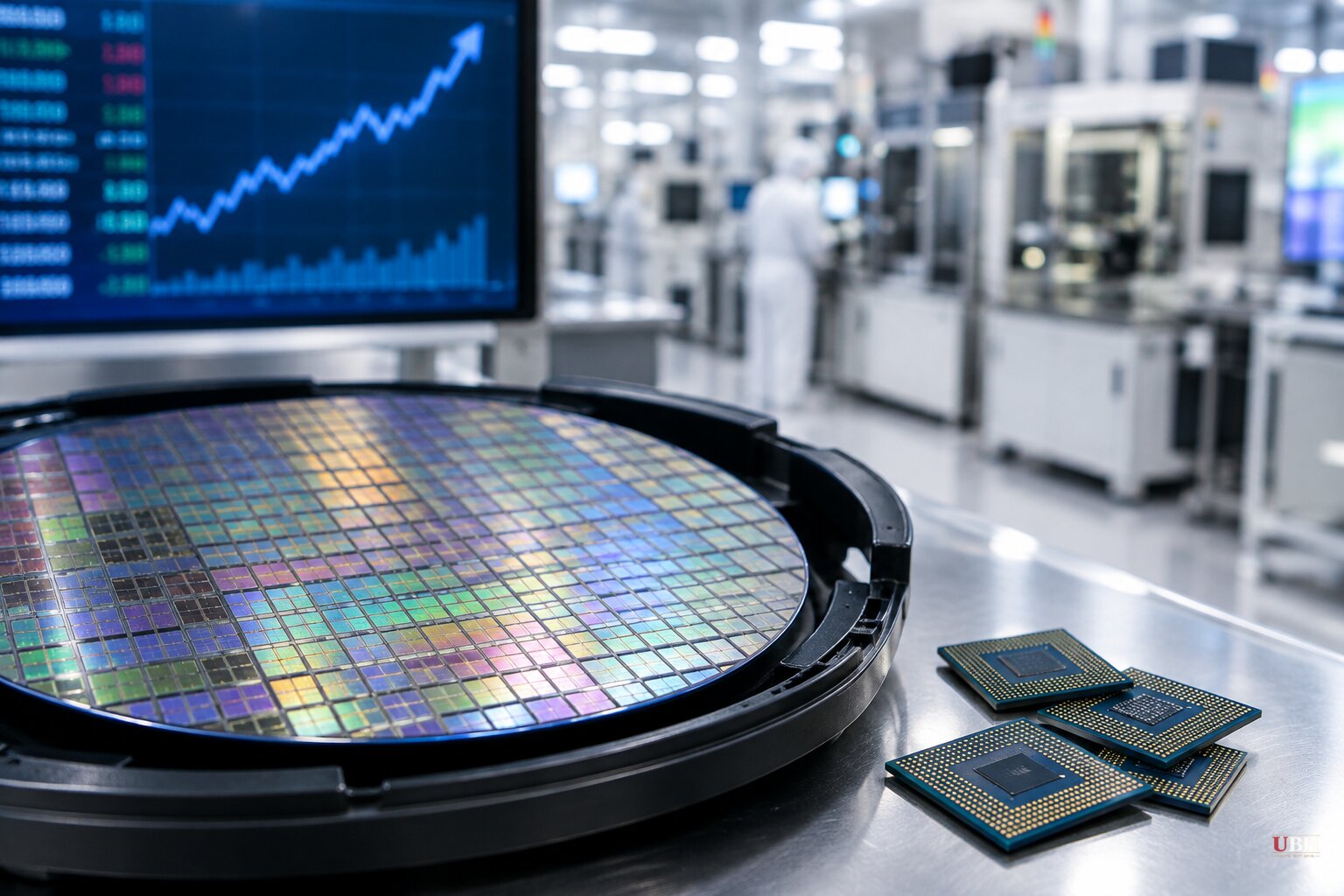
South Korean Finance Minister Lee Hyoung-Il says the semiconductor boom has at least another year to run. He made the case Saturday, Oct. 17, after a rough week for chip stocks.
"For now, our view is that we can sustain this growth at least through next year," Lee told CNBC on the sidelines of the IMF-World Bank annual meetings in Bangkok. His reasoning: "the gap between demand and supply for semiconductors is still very wide, and supply is still being expanded."
A shaky week for chip shares
Lee's comments followed a sharp sell-off in semiconductor stocks. Investor worries about interest rate hikes and rising competition from Chinese companies drove the drop, CNBC reported. South Korea's SK Hynix and Seoul Semiconductor were hit, along with U.S. giant Nvidia.
Lee said chip stocks have driven volatility in South Korea's market this year. His explanation is structural: semiconductors make up a larger share of South Korea's economy than they do elsewhere, so swings in the sector move the whole market.
Despite the swings, he called the economy "solid."
The tax angle
The boom is a revenue story for Seoul. Lee said the government expects to collect more taxes this year than it first projected. He added that South Korea will end up in a stronger fiscal position because of the chip surge.
That makes the minister an interested party. His government is a direct beneficiary of the cycle he is forecasting to continue.
The 2029 warning
Not everyone in South Korea shares the comfort. On Thursday, an opinion column in Maeil Business Newspaper urged the government to prepare for an eventual slowdown in the AI boom. The columnist cited two experts who expect a "flood of new supply" of semiconductors that would turn the memory market "into a red ocean" by 2029, according to CNBC's translation.
Lee's own answer partly overlaps with that view. He acknowledged that supply is still being expanded. His forecast is about timing: demand stays ahead of supply through 2027, while the column looks two years beyond that.
More capacity is coming elsewhere
Capacity is being added outside South Korea too. On Oct. 14, GlobalFoundries announced that Japan will invest up to $21 billion to build two chip factories in New York state. The plants will be jointly owned by the U.S. government and Japanese interests, with GlobalFoundries operating them.
The first site, in Malta, New York, is expected to add roughly 900,000 300-millimeter wafers of annual U.S. manufacturing capacity once fully operational. A second plant would add the same amount. Construction on the first is scheduled to begin this year, with chip production expected in 2029.
Japan will supply all of the investment capital. The U.S. government's stake in GlobalFoundries, previously 3 percent, would rise to 7 percent, CEO Tim Breen said.
The project falls under the trade agreement the Trump administration struck last year, in which Japan committed to invest $550 billion in the United States. In return, the U.S. lowered its tariff rate on Japanese cars and other imports from a threatened 25 percent to 15 percent.
"President Trump's historic U.S.–Japan Trade Deal is delivering another massive manufacturing investment into America," Commerce Secretary Howard Lutnick said.
Breen said the company was chosen because "fabs of this scale require more than capital. They require differentiated technology, operational excellence and a proven ability to execute."
What to watch
The New York fabs are a long-dated bet. Production is not expected until 2029, the same year the Maeil columnist's sources point to as the memory market's crunch point. The GlobalFoundries partners have said they will decide whether to build the second factory before the end of 2028.
By then, Lee's 2027 forecast will have been tested. Whether the supply he says is still being expanded arrives faster than demand is the open question for both Seoul's budget and chip investors.
Sources used for this briefing
7 links from 5 independent newsrooms (syndicated copies of the same report count once)
These are the sources it draws on, linked so you can verify.


