
Unbiased headlines. Facts, not spin.
Unbiased Headlines is an independently owned news organization. We bring you the facts, not opinions, written fresh from 110+ named sources. Sources linked so you can verify it yourself.
 economy
Major Story (7/10)
economy
Major Story (7/10)
Perdue Says China Has 'Weaponized' Critical Minerals as Op-Ed Alleges Venezuelan Ore Flows to Beijing
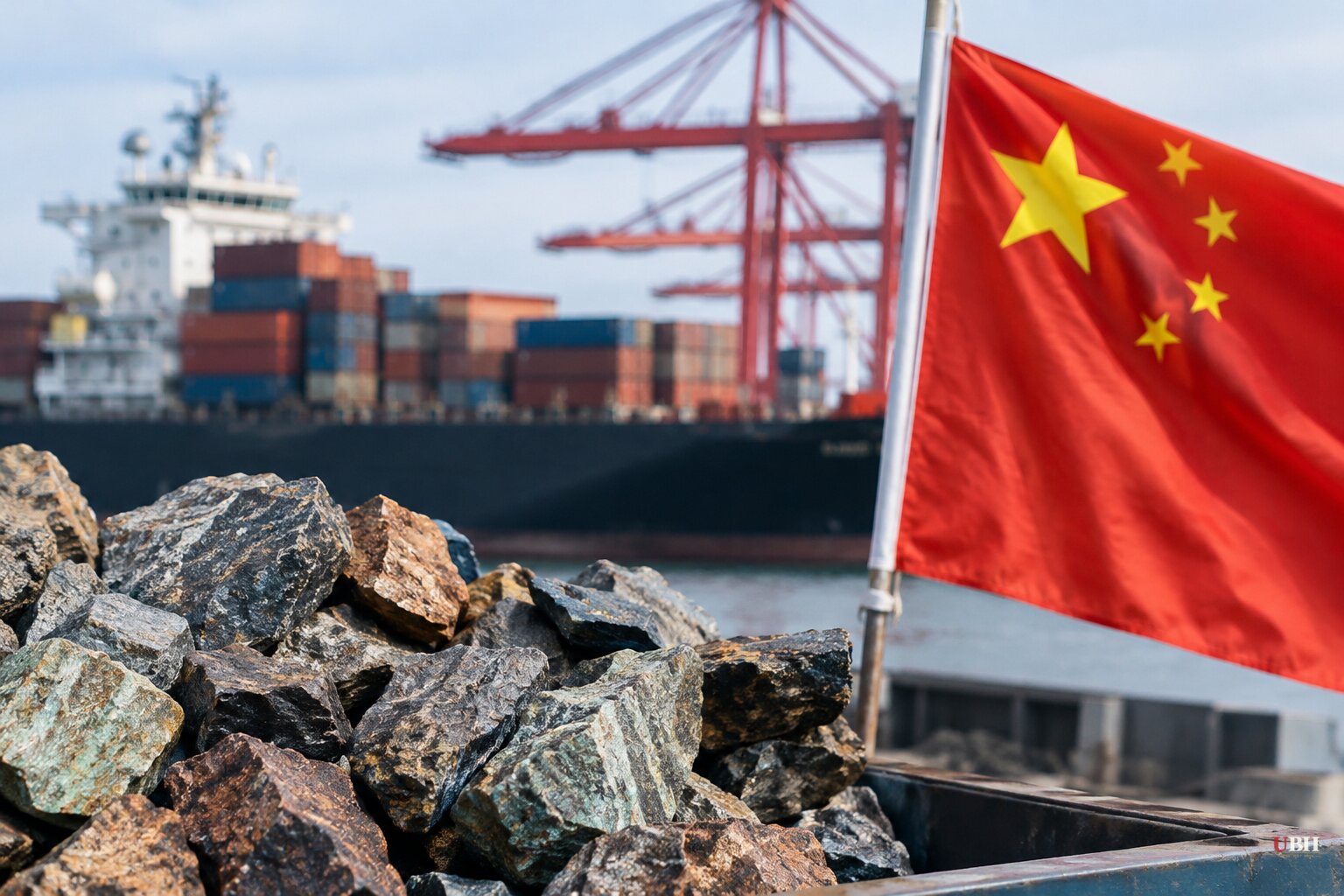
U.S. Ambassador to China David Perdue says Beijing has "weaponized" its dominance over critical minerals. Speaking on "Fox News Sunday" after President Trump's summit with Chinese President Xi Jinping, Perdue called it "a single-source dominant position that China is weaponizing against the world right now."
He said China has expanded its rules to the point that efforts to diversify supply chains away from the country could expose people to arrest, criminal prosecution and asset seizures. "We have committed to them that this is unacceptable," Perdue said.
Perdue put much of the blame at home. "Twenty years ago, the United States had single-source dominant positions in rare earth magnets, commercial shipbuilding [and] pharmaceuticals," he said. "And all these have been absconded by China in a way that we allowed over the last 20 years."
Greer: more rare earths, faster
U.S. Trade Representative Jamieson Greer separately raised China's rare-earth deliveries. The U.S. wants the materials in "greater volumes" and in a "more timely way," he told Fox News' Jacqui Heinrich.
Greer said Trump raised the issue with Xi "quite directly" and that it is "just one of many items that we're still looking at." He said the administration is treating the next two months as a "compliance period" to see whether Beijing follows through on its commitments.
The U.S.-China Board of Trade also recommended that each country identify $30 billion in nonsensitive goods that could receive more favorable tariff treatment, according to Greer's office.
No one has publicly said what happens if the compliance period ends without the deliveries the U.S. wants.
The Venezuela allegations
A separate opinion piece in The Hill makes a related argument about where some of the world's critical minerals end up. It alleges that Colombia's ELN and FARC dissident groups are the largest armed presence inside Venezuela. It says they control large stretches of the border region and fund their war by selling plundered minerals to Chinese buyers.
The piece says more than 56,000 people have been displaced. It does not attribute that figure to a named source.
The piece alleges that Venezuelan officials and military commanders in the southern Orinoco region partner with armed groups, cartels and local mining syndicates known as "sindicatos." It says they sell trading permits, fuel and equipment access for bribes. These are allegations from one opinion piece. No charges or official findings are cited.
According to the piece, the minerals include tin, rare earths and coltan. All are inputs for jet engines, data centers, nuclear reactors and military systems. It says some ore leaves through the port of La Guaira on falsified export paperwork. It says most crosses the Colombian border in official vehicles at legal crossings, or in canoes carrying up to 20 tons of raw ore.
The piece also alleges that the cartel Tren de Aragua authorized its members to kill U.S. law enforcement officials and profits from gold and critical minerals.
What the administration has said
Secretary of State Marco Rubio has addressed the border security side. Speaking in Barranquilla, Colombia, he said terrorist organizations "operate with impunity" in the border region, "entering [Colombia] committing crimes, murders, and attacks, and then returning and hiding in [Venezuela]."
The opinion piece calls Rubio's remarks "a welcome moment of clarity" and argues the administration "too often has treated the Rodríguez government as a security partner." It calls for "decisive action" against interim President Delcy Rodríguez's government and for pressure on Venezuelan officials said to be protecting armed groups.
The piece argues that Venezuela's minerals could instead help the U.S. break China's processing monopoly and draw American investment. The administration has not responded to that argument in the material here. Rubio's comments are the closest on-record statement, and they describe the terrorist presence without addressing the claim about mineral sales to China.
The common thread
The two stories are separate. Perdue and Greer are talking about Chinese state policy and negotiated commitments. The Venezuela claims concern criminal smuggling networks. Neither source ties the two together.
Both, though, describe the same strategic problem. The U.S. lacks secure, independent supplies of the minerals that go into its military and technology sectors. Perdue's own account is that this dependence took two decades to build.
The next verifiable marker is the compliance period Greer described. Whether Beijing delivers rare earths in the volumes and on the schedule Washington wants will show if the summit commitments hold. Whether Washington pushes Caracas on mineral smuggling is a separate question. No such action has been announced.
Sources used for this briefing
3 links from 2 independent newsrooms (syndicated copies of the same report count once)
These are the sources it draws on, linked so you can verify.


