
Unbiased headlines. Facts, not spin.
Unbiased Headlines is an independently owned news organization. We bring you the facts, not opinions, written fresh from 110+ named sources. Sources linked so you can verify it yourself.
 economy
Major Story (8/10)
Event date: September 17, 2026 ·
economy
Major Story (8/10)
Event date: September 17, 2026 ·
Producer Goods Prices Jump 2.6% in September, Largest Since Series Began, as Fed Officials Split on Another Hike
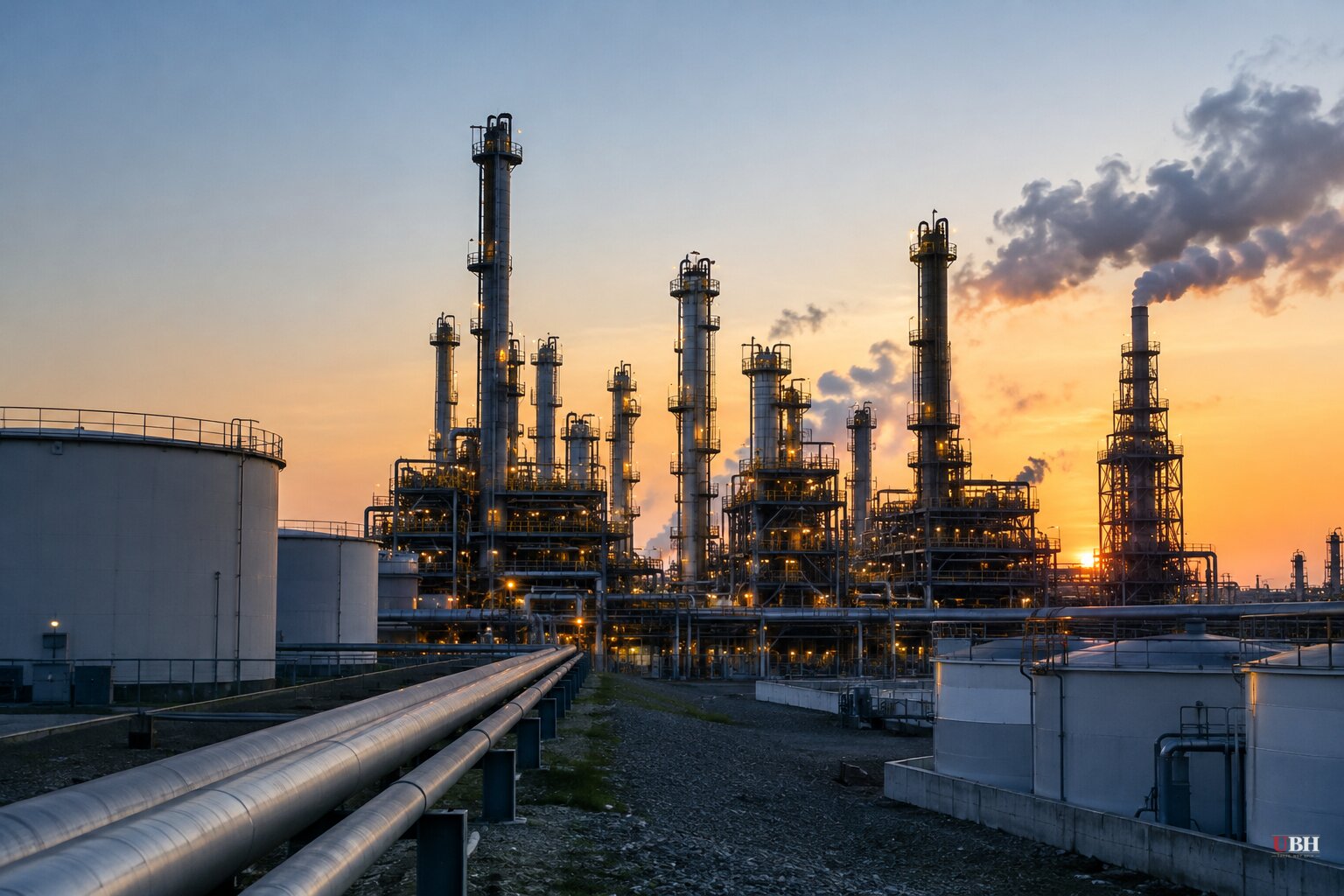
The September inflation data keeps getting worse at the wholesale level. Producer prices for final-demand goods jumped 2.6% last month, the biggest increase since the Bureau of Labor Statistics began collecting the data in December 2009.
Energy did most of the damage. The BLS said its energy measure spiked 10.8% in September and accounted for more than 80% of the rise in goods prices. Goods excluding food and energy rose just 0.3%.
Energy is the whole story, so far
Retail sales tell the same tale. The Census Bureau said total sales rose 0.8% in September, largely because receipts at gasoline stations surged 6.4%. Higher pump prices are inflating the sales number, not a shopping boom.
Adams, who analyzed the producer report, said it shows "persistent inflationary pressure from the global energy shock and its knock-on effects." He flagged surging prices for feed products such as corn, hay and oilseeds, which he said "will put upward pressure on consumer prices of meat next year."
AAA put the national average for regular gasoline at $4.33 a gallon on Friday, 45% above the prewar $2.98. Diesel stood at $6.33, up 68%. It is the first October on record with gas above $4, AAA said.
Moody's Analytics chief economist Mark Zandi estimated this week that the U.S.-Iran war has cost the average household nearly $2,000. That breaks down to $1,100 in higher energy prices, $540 in higher interest rates and $360 in military costs. He said the energy portion is growing by $50 a week at current fuel prices.
Shipping through the Strait of Hormuz remains dangerous and constrained. The Energy Information Administration expects winter heating costs to be 21% higher for the roughly 3% of households that use heating oil, assuming mild weather.
The Fed is not speaking with one voice
The Fed raised its benchmark rate to 3.75%-4.00% in September. Policymakers have since signaled little rush to move again.
Bowman said Wednesday at the IMF and World Bank meetings in Bangkok that the Fed has "some time to wait and see how financial conditions and the economy evolves." She added: "I don't feel any urgency toward taking further action at this point."
Collins has taken a different line. She has suggested another hike may be necessary before the end of 2026, according to Reuters.
Chair Kevin Warsh was scheduled to speak Friday at the IMF meeting in Bangkok, the last scheduled Fed comment before a two-week blackout ahead of the Oct. 27-28 policy meeting.
Outside the Fed, the pressure runs the other way. In an Epoch Times commentary, Jeffrey Tucker wrote that Warsh "has already raised rates. It's not nearly enough." Tucker blames the post-1971 fiat dollar system for persistent devaluation and debt.
Farms feel it from both sides
Chicago Fed President Austan Goolsbee traveled to rural Illinois to hear from farmers facing lower crop prices alongside rising costs for fuel, fertilizer and other inputs. Bloomberg's Wall Street Week framed the trip as a ground-level view of inflation pressures that may show up before they reach national data.
The USDA Economic Research Service's projections show the squeeze. Total farm debt is forecast at $605.1 billion in 2026, up 4.6% from 2025. Net farm income is projected to fall 2.6% to $158.4 billion, a 5.5% drop after adjusting for inflation. Production expenses are forecast to rise 4.5% to $492.8 billion.
Farm loan rates do not move one-for-one with the Fed's benchmark, but monetary policy still shapes lending conditions for operating loans, equipment and land.
In Weiser, Idaho, rancher Tristan Winegar lost 90 head, about a quarter of his herd, in the 158,000-acre Tartar Fire in August. He told Capital Press he expects proportionately less borrowing power on his 2027 operating loan.
Consumers have not seen the full bill
The AP found that fuel costs have not yet spread across store shelves. Many companies have absorbed part of their higher production and shipping costs, though some have raised delivery charges or prices on selected products. Airfares were about 22% higher in September than a year earlier.
The September jump in wholesale prices suggests some businesses may eventually pass costs along if fuel stays elevated. The producer data shows that pressure is concentrated in energy, not broad-based goods inflation.
That leaves the Fed with a narrow question at its Oct. 27-28 meeting. Does it treat an energy-led surge as something it can wait out, as Bowman suggests, or as a threat to prices more broadly, as Collins's comments imply? Rate policy cannot reopen the Strait of Hormuz, and the next data points will show whether feed and fuel costs reach grocery aisles before the meeting.
Sources used for this briefing
7 links from 7 independent newsrooms (syndicated copies of the same report count once)
These are the sources it draws on, linked so you can verify.


