
Unbiased headlines. Facts, not spin.
Unbiased Headlines is an independently owned news organization. We bring you the facts, not opinions, written fresh from 110+ named sources. Sources linked so you can verify it yourself.
 economy
Major Story (8/10)
economy
Major Story (8/10)
Trump Waives Graham Act Russia Tariffs and Sanctions Ahead of Oct. 18 Start Date
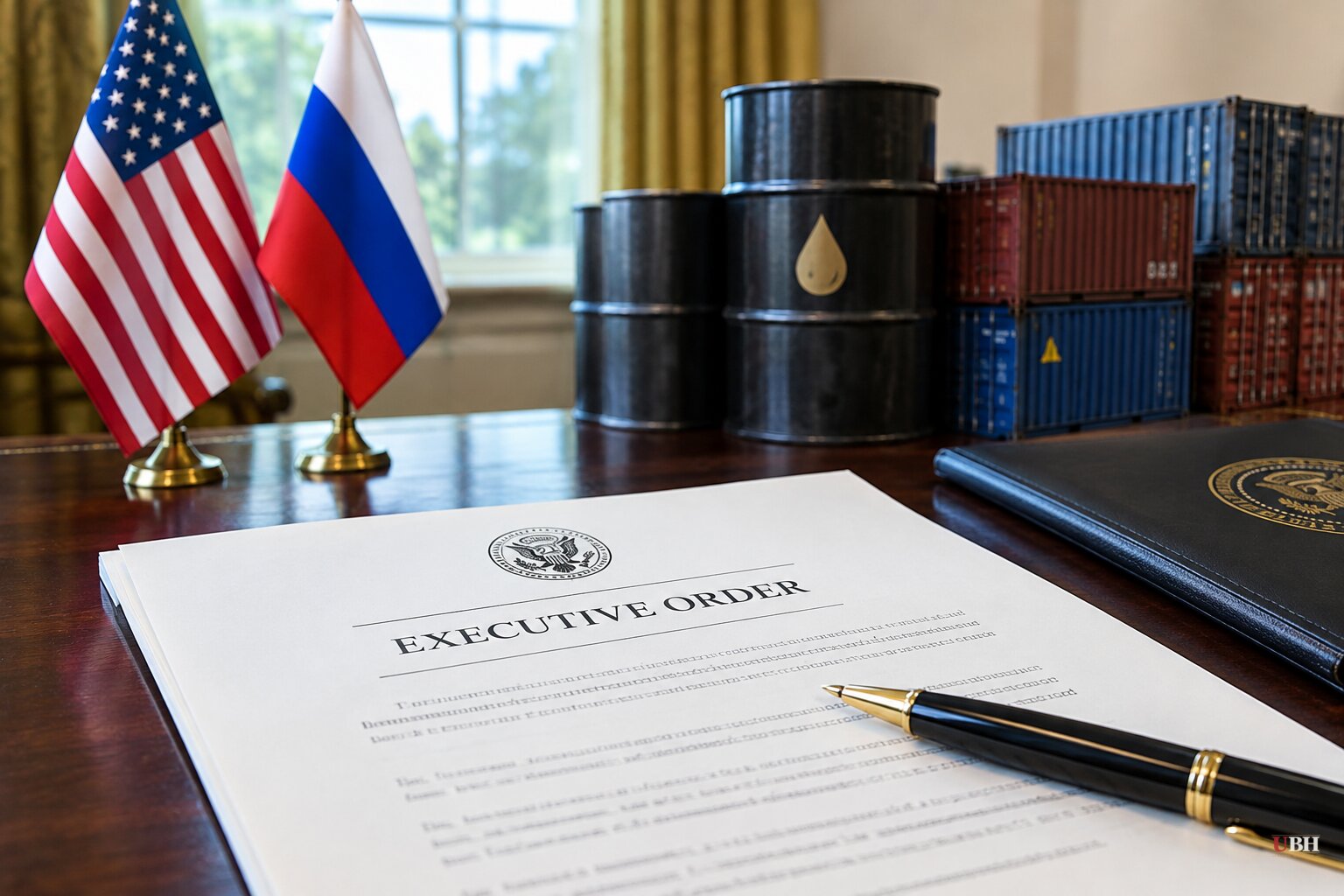
Since Trump signed the Lindsey O. Graham Sanctioning Russia and Iran Act of 2026 on Sept. 18, the question has been whether he would ever use it. On Friday, Oct. 16, he answered by waiving its tariffs and sanctions before they could apply.
The executive order came a day or two before the law's Oct. 18 trigger date. "I am hereby waiving the application of such sanctions, restrictions, and duties provided for in the Graham Act," Trump wrote. He said he had submitted a certification to Congress that the waiver "at this time is in the national interest of the United States."
The order does not say why the waiver serves the national interest. It says only that the waiver stays in effect until the administration determines "further action is appropriate."
What the law would have done
The act set tariffs of up to 100% on goods from the five largest buyers of Russian crude oil and gas: China, India, Slovakia, Hungary and Azerbaijan. The tariff applied to countries that knowingly made qualifying new purchases on or after Oct. 18. It also carried a separate 500% duty on Russian-origin goods and sanctions aimed at Vladimir Putin, senior officials and key Russian entities.
The law did not automatically hit every buyer. Application depended on its conditions and on presidential action. Up to 10 countries could have been exposed to tariff threats.
The waiver covers the 100% tariff mechanisms and the 500% duty on Russian goods.
India gets room to breathe
India was the most exposed major economy. It imported an estimated 1.74 million barrels per day of Russian crude in September, according to Kpler.
A 100% tariff would have stacked on top of an existing 10% US tariff imposed over forced-labor concerns. An earlier 25% penalty tied to Russian oil purchases was removed in February 2026 under a US-India trade framework.
India's Foreign Ministry had said before the waiver that New Delhi "remains firmly committed to ensuring energy security for its 1.4 billion people" through diversified sourcing. It added that the potential consequences of oil tariffs "for not just the bilateral relationship but also the international energy market have been very clearly articulated by the Indian side."
The relief is conditional. The order suspends the measures rather than repealing them, so Washington can revive them whenever it chooses.
Kyiv objects, Moscow applauds
Ukrainian President Volodymyr Zelensky condemned the decision. He said it came as Russia carried out one of its biggest attacks on Ukrainian energy infrastructure.
"A decision was unfortunately made in America to completely disregard the Lindsey Graham Act, which was supposed to impose truly effective pressure on Russia to bring this war to an end," Zelensky said. He added that the act "could have helped enormously — and still can."
Kirill Dmitriev, head of Russia's sovereign wealth fund, called the waiver "an important and truly historic moment" on X. He said economic cooperation between Russia and the United States serves both nations' interests.
The waiver drew criticism from both sides of the aisle in Washington, according to CNN. The named senator behind the law, Lindsey Graham, a longtime Russia hawk, died in July.
The surrounding politics
The order lands amid friction between Trump and Zelensky. The White House has pressed Ukraine to stop striking Russian refineries as it tries to ease oil prices ahead of the midterm elections, CNN reported. Kyiv briefly complied, then resumed the attacks.
Separately, a reported agreement would have Russia supply more than 300,000 tonnes of diesel to the United States. The White House has not tied the waiver to that deal in the executive order, and the order offers no stated rationale. Whether the two are linked is an open question.
With no tariffs imposed under the law, Trump also holds a lever he has chosen not to pull. The administration's stated position is only that the waiver serves the national interest.
Zelensky said US and Ukrainian negotiators spoke Friday and could meet next week, with details still being worked out. Whether Trump revisits the waiver will depend on that diplomacy and on what Moscow does next, and the order sets no deadline for either.
Sources used for this briefing
6 links from 6 independent newsrooms (syndicated copies of the same report count once)
These are the sources it draws on, linked so you can verify.


