
Unbiased headlines. Facts, not spin.
Unbiased Headlines is an independently owned news organization. We bring you the facts, not opinions, written fresh from 110+ named sources. Sources linked so you can verify it yourself.
 economy
Breaking / Critical (9/10)
Event date: October 15, 2026 ·
economy
Breaking / Critical (9/10)
Event date: October 15, 2026 ·
Middle East Oil Exports Fell to 6.7 Million Barrels a Day on Oct. 11 as Hormuz Ship Attacks Hit a 2026 Peak
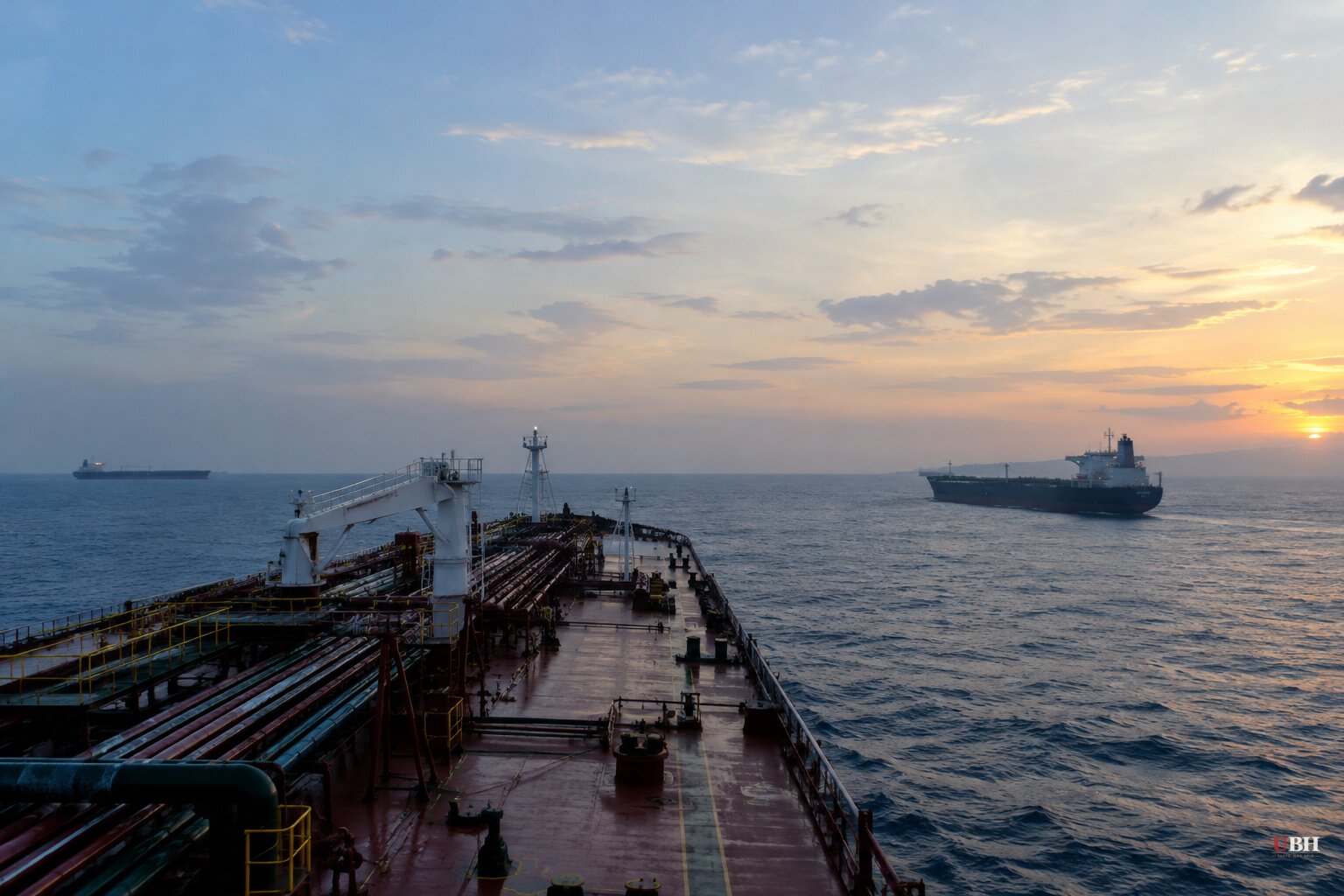
Eight months after the U.S.-Israeli strikes on Iran on Feb. 28, the Strait of Hormuz is still the swing factor for global energy prices. The past week made that obvious.
At least 14 incidents of attacks, attempted strikes and obstructions were recorded in and around the strait between Oct. 5 and Oct. 12, according to the UK Maritime Trade Operations. Six ships were attacked on Monday, Oct. 12, alone. Commercial traffic fell to its lowest level since July 22.
Exports swing hard
Kpler tracks crude, petroleum and liquid chemical exports from the Middle East, including cargoes loaded in the Gulf of Oman and the Red Sea. Its figures show the volatility:
- 21.1 million barrels per day on Oct. 8
- 6.7 million on Oct. 11
- 10.4 million on Monday
- 8.3 million on Tuesday
The weekly average came to 17 million barrels per day. Before the war the figure was about 23.3 million. Only six commercial ships transited Hormuz on Monday, down from 32 on an earlier comparison day.
Iran says one of its tankers caught fire after hitting a mine in the strait. Houthi forces have also stepped up attacks on Saudi Arabia, which threatens shipping through the Bab al-Mandab Strait at the southern end of the Red Sea.
The recovery argument
The picture was better a few weeks ago, and some analysts argued the worst had passed. Kpler put one recent weekly average of oil and product flows through Hormuz at 13.1 million barrels a day. That is just under 80% of the 17.1 million that moved through the strait daily before the war. JPMorgan said total Middle Eastern crude flows, counting routes around Hormuz, had returned to 98% of prewar levels.
"Given such a strong volume passing through the strait, it is clear Iran is losing its influence over it," said Matt Smith, Kpler's director of commodity research. The recovery relied on military-escorted shuttles making unlit "dark" transits, with considerable U.S. Navy support, plus Saudi barrels rerouted from the Red Sea.
That is an expensive way to move oil, and the U.S. military is footing much of the bill. The week of attacks shows how fragile the arrangement is.
Inventories and prices
JPMorgan estimates global oil inventories have fallen by roughly 2 billion barrels since the war began. Production outside the Gulf has risen. Demand has also dropped sharply, which has helped keep crude below its 2008 record.
Natasha Kaneva, JPMorgan's head of global commodities strategy, told clients two weeks ago: "For the first time since the start of the Iran conflict, we don't have a baseline view." She wrote that the bank does not know how to model the situation.
Brent crude futures were at $105.51 a barrel in early Asian trading on Friday, Oct. 16, down 41 cents. West Texas Intermediate was at $97.43. WTI had jumped more than 3% on Thursday on a large drop in U.S. crude inventories. Traders were also weighing possible U.S. steps to ease restrictions on the "shadow fleet" of tankers, according to Reuters.
Plastics: Gulf producers hold their edge
The disruption is also reshaping plastics. The Middle East exported 18.7 million tons of polyethylene in 2025, or 43% of the 43.8 million tons traded globally, according to International Trader Publications. North America was second at 15.6 million tons.
Polyethylene and polypropylene prices have risen more than 50% since March. Dow CFO Jeff Tate said in July that polyethylene was up more than 40% since late February. Eastman Chemical reported second-quarter revenue up nearly 10%, helped by higher volumes and a 4% rise in selling prices.
S&P Global Market Intelligence says the closure has taken nearly 20% of global ethylene capacity and up to 40% of Asian naphtha supply offline. U.S. producers, with secure feedstock, are the immediate beneficiaries as buyers look elsewhere.
The UN found polypropylene exports from the Middle East fell 24% between April 2025 and April 2026. That was the smallest drop among 12 commodities it tracked. LNG exports fell 95%, urea 83%, methanol 80% and ammonia 75%.
Industry voices say the shift to U.S. supply is temporary. Morningstar analyst Christian Flemming said buyers still decide on price. A BASF spokesperson said the bottlenecks are unlikely to reduce the Gulf's long-term importance. Virginia Commonwealth University's Brett Massimino described the response as dual sourcing, not replacement. Gulf producers keep their cost edge because of abundant naphtha and a huge production base.
Washington and Tehran
President Donald Trump said Thursday on Newsmax that he would not use nuclear weapons against Iran. "I wouldn't use nuclear. We don't have to," he said. His comments followed reports, citing multiple unnamed U.S. officials, that the Department of War is developing strike plans against Iranian nuclear sites and energy infrastructure that could include the GBU-43/B "Mother of All Bombs." Those reports said the strikes could come before or after the Nov. 3 midterm elections. Trump said the MOAB "is just an extremely large bomb," and not a nuclear one.
Iranian President Masoud Pezeshkian said Thursday that "bombs and missiles can't force a nation to surrender," according to Iran's Fars News Agency. He added that the enemy would only win if Iranians became divided. He cited shortages of electricity, water and gas as pressure points Washington was trying to exploit.
It is unclear whether the escorted shuttle system can hold if attacks continue and U.S. combat operations resume. If JPMorgan's warning about inventories proves right, the price response will come from demand destruction, not from anything Washington or Tehran decides. Kpler's daily export numbers over the coming days will show whether last week's collapse was a spike or the new trend.
Sources used for this briefing
6 links from 5 independent newsrooms (syndicated copies of the same report count once)
These are the sources it draws on, linked so you can verify.


