
Unbiased headlines. Facts, not spin.
Every story is an unbiased news briefing written from 110+ sources across the spectrum — sources linked so you can verify it yourself.
 energy
Major Story (7/10)
August 7, 2026 at 07:36 AM
energy
Major Story (7/10)
August 7, 2026 at 07:36 AM
South Korea Shipped Diesel and Jet Fuel to Russia in Late July as Ukrainian Strikes Squeeze Moscow's Refineries
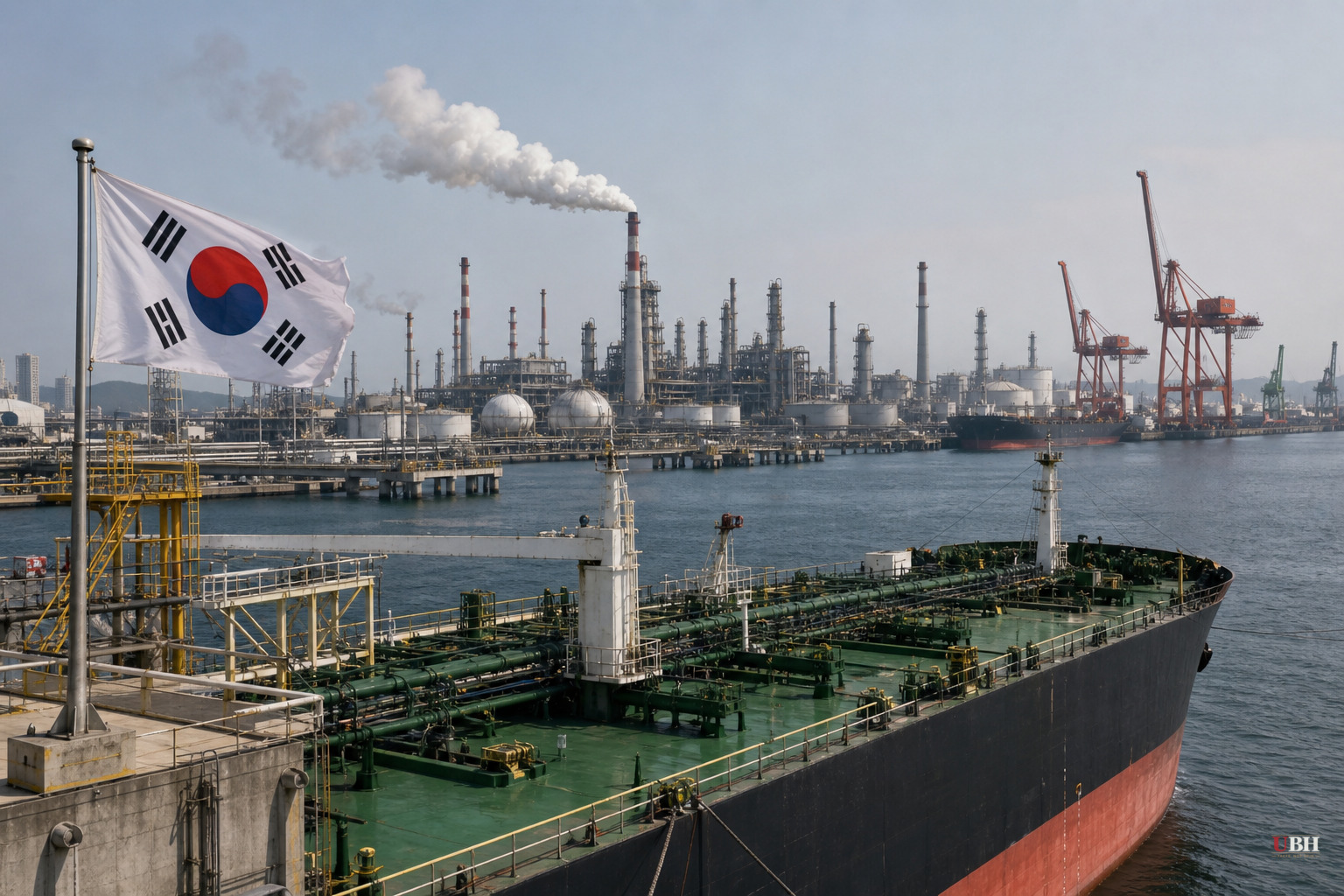
Russia's own refinery network is in bad enough shape that Moscow is now importing diesel and jet fuel from South Korea, a country that has sanctioned Russia since 2022.
Shiptracking data from Kpler and Vortexa, cited by Reuters, shows at least two short-range tankers loaded with refined fuel products at Ulsan container port in late July, bound for Russia's Far East. Total volume: nearly 30,000 metric tons. One vessel has already arrived in Russia but had not yet unloaded as of the reporting.
Two sources familiar with the cargo told Reuters it includes diesel, and one said jet fuel is in the mix too. Neither South Korea's Ministry of Trade, Industry and Energy nor Russia's energy ministry would comment.
Why Russia, a fuel exporter, needs fuel imports
This is the part that should raise eyebrows. Russia has historically been a net diesel exporter, shipping product mostly to Brazil, Turkey and West Africa since Western sanctions cut off its traditional European buyers after the 2022 invasion.
But Ukraine has spent the past year hitting Russian refineries directly, in what Kyiv describes as a deliberate campaign to choke off the fuel that powers Moscow's war machine. The strikes have been effective enough that Russia extended its own export ban on diesel and gasoline through January, though some restrictions are set to ease starting September 1.
Moscow is so worried about domestic fuel supply that it's blocking its own exporters while simultaneously importing product from a country that has formally sanctioned it. The refinery damage from Ukrainian strikes appears more severe than Russia has publicly acknowledged.
This isn't the first attempt, and the last one failed
Reuters reported last month that Russia was lined up to receive a jet fuel cargo of at least 200,000 barrels originating in Japan, routed through traders and shipped via South Korea. That deal fell apart. Multiple trade sources told Reuters the shipment never happened, and Tokyo later clarified that its ban on jet fuel exports to Russia covers shipments routed through third countries or transferred ship-to-ship, closing that loophole.
So the South Korea trade that did happen in late July is notable partly because the Japan-to-Russia workaround didn't. Someone found a way to make Ulsan work when Tokyo shut the door.
There is precedent for direct Northeast Asia to Russia fuel trade. Kpler data shows a 22,000-barrel jet fuel shipment from Yeosu, South Korea to Vladivostok back in February 2022, right before the full-scale invasion. A nearly 30,000-ton shipment in 2026, three and a half years into a sanctions regime South Korea has publicly backed, is a different animal.
What's actually proven versus what's murky
What's confirmed: shiptracking data shows the cargo left Ulsan and at least one tanker reached Russia's Far East. What's not confirmed: who bought it, who sold it, and whether any laws or sanctions were technically broken in the process. South Korea's trade ministry declined to comment, which leaves open whether this was flagged by Seoul, missed by Seoul, or slipped through a structural gap in how sanctions get enforced on ship-to-ship transfers and third-country intermediaries.
Sanctions skeptics have raised a longstanding question: these regimes are only as strong as their weakest transshipment point, and traders get paid to find those points. Nobody in this reporting has been charged with violating sanctions, and no investigation has been publicly announced. This is a documented trade flow, not a legal finding.
What comes next
Watch whether Seoul's trade ministry issues any statement or takes enforcement action now that the shipment is public. Watch whether Russia's fuel import pattern continues past this one instance or was a one-off stopgap tied to specific refinery outages. And watch what happens after September 1, when Moscow's own export restrictions are set to partially ease. If Russia still needs outside diesel and jet fuel after that date, it says the refinery damage from Ukrainian strikes is deeper and more durable than Moscow has admitted.
Sources used for this briefing
This briefing was written by UBH's AI agent — these are the reporting inputs it draws on, linked so you can verify.


