
Unbiased headlines. Facts, not spin.
Unbiased Headlines is an independently owned news organization. We bring you the facts, not opinions, written fresh from 110+ named sources. Sources linked so you can verify it yourself.
 tech
Major Story (7/10)
South Korea fines Google and Apple $47.6 million over in-app payment rules
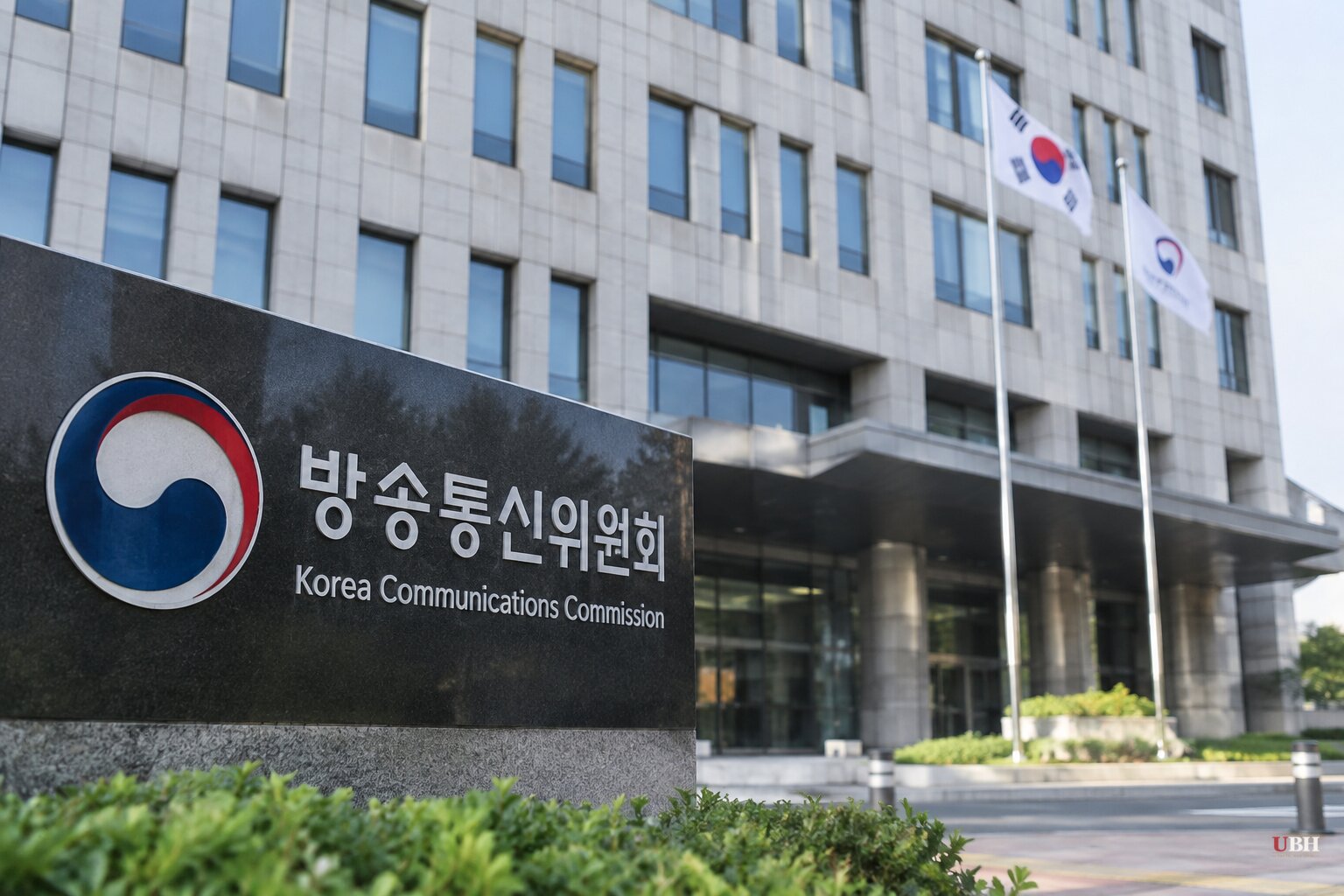
South Korea's Korea Media and Communications Commission (KMCC) fined Google and Apple a combined 63.7 billion won ($47.6 million) today, Oct. 28, for practices that effectively forced app developers to use the companies' own payment systems.
Google was fined 42.9 billion won ($32 million). Apple was fined 20.81 billion won ($15.5 million). It is the first enforcement of a 2021 amendment to the Telecommunications Business Act that bars app market operators from requiring specific payment methods.
What the regulator found
Both companies technically allowed third-party billing inside their apps. The commission said that was cosmetic.
Developers who used a third-party system still paid a 26 percent commission, on top of their own payment processing and operating costs. The commission said Google restricted how developers could display prices across payment methods. Apple required separate app submissions for third-party billing. Both barred payments through outside websites.
The regulator concluded developers were left with little real choice. It classified the conduct as a "very serious violation."
The commission also found that both companies delayed app reviews without giving developers clear reasons or timelines, even when developers asked.
The Apple tax-rate issue
Apple drew a separate finding. From July 2015 to January 2023, it calculated its 30 percent commission on tax-inclusive prices for Korean developers and on tax-exclusive prices for overseas developers.
The commission estimated that practice generated 149.6 billion won in additional commissions for Apple. That is more than twice the size of Apple's entire fine.
Apple attributed the gap to changes in Korea's value-added tax law. The regulator rejected that explanation and said Apple could have used consistent calculation methods across markets.
How the fines were set
The law lets the regulator fine app marketplace operators up to 3 percent of relevant revenue. The commission raised the penalties for forced payment practices by 20 percent because the companies did not correct their conduct even after learning they were under investigation. Apple got a 20 percent reduction on the discriminatory-commission penalty because it voluntarily revised its policy.
The commission also ordered both companies to end the violations, publicly disclose the corrective orders, and submit compliance plans and reports. They must allow links to external payment websites inside apps and revise their commission structures within three months of receiving the orders.
For scale: Alphabet reported $402.8 billion in revenue for fiscal 2025 in its 10-K. Google's Korean fine is $32 million.
Three years to reach a decision
The predecessor agency, the Korea Communications Commission, announced proposed fines in October 2023: 47.5 billion won for Google and 20.5 billion won for Apple. That notice was a preliminary step with no legal effect.
The final decision stalled. The Korea Joong Ang Daily reported that the KCC faced prolonged operational disruptions, including a stretch with only two commissioners, before it was dissolved in October 2025. The agency recalculated the companies' relevant revenue and drafted a revised proposal in March 2025: 42 billion won for Google and 21 billion won for Apple.
A source familiar with the matter told the paper there was "considerable deliberation over when to finalize the sanctions, particularly amid political upheaval following the change in administration and emerging trade tensions with the United States." A KMCC official said there were no disagreements when the commission finalized the penalties in a closed-door meeting on Monday.
The corrective orders only became legally binding with today's decision.
What the companies say
Google Korea issued a statement expressing regret that its efforts to comply with the law and support Korean developers were "not fully reflected" in the decision.
In March this year, Google announced plans to revise its payment policies, including allowing external payment options and lowering service fees. Those changes are scheduled to take effect Dec. 31. The commission did not weigh them in its decision.
Apple did not immediately respond to requests for comment, according to the Associated Press.
Developers have long complained that commissions of up to 30 percent, depending on revenue, are excessive. After the 2021 amendment, Google revised its policies to allow alternative payment methods it had previously prohibited. Critics argued the change gave little practical relief, because developers using outside systems still paid fees to domestic payment gateway providers.
What comes next
The three-month compliance clock starts when each company receives its order. Google's own fee and external-payment changes are already set for Dec. 31, so it is unclear whether they satisfy the commission's orders. Neither company has said whether it will challenge the decision.
The KMCC has not said how it will judge compliance beyond requiring plans and reports. Those filings will show whether the 26 percent commission it objected to actually changes.
Sources used for this briefing
7 links from 7 independent newsrooms (syndicated copies of the same report count once)
These are the sources it draws on, linked so you can verify.


