
Unbiased headlines. Facts, not spin.
Unbiased Headlines is an independently owned news organization. We bring you the facts, not opinions, written fresh from 110+ named sources. Sources linked so you can verify it yourself.
 tech
Major Story (7/10)
China's CXMT Plans to Start HBM3E AI Memory Production With Yields of 20% to 30%, Two Sources Say
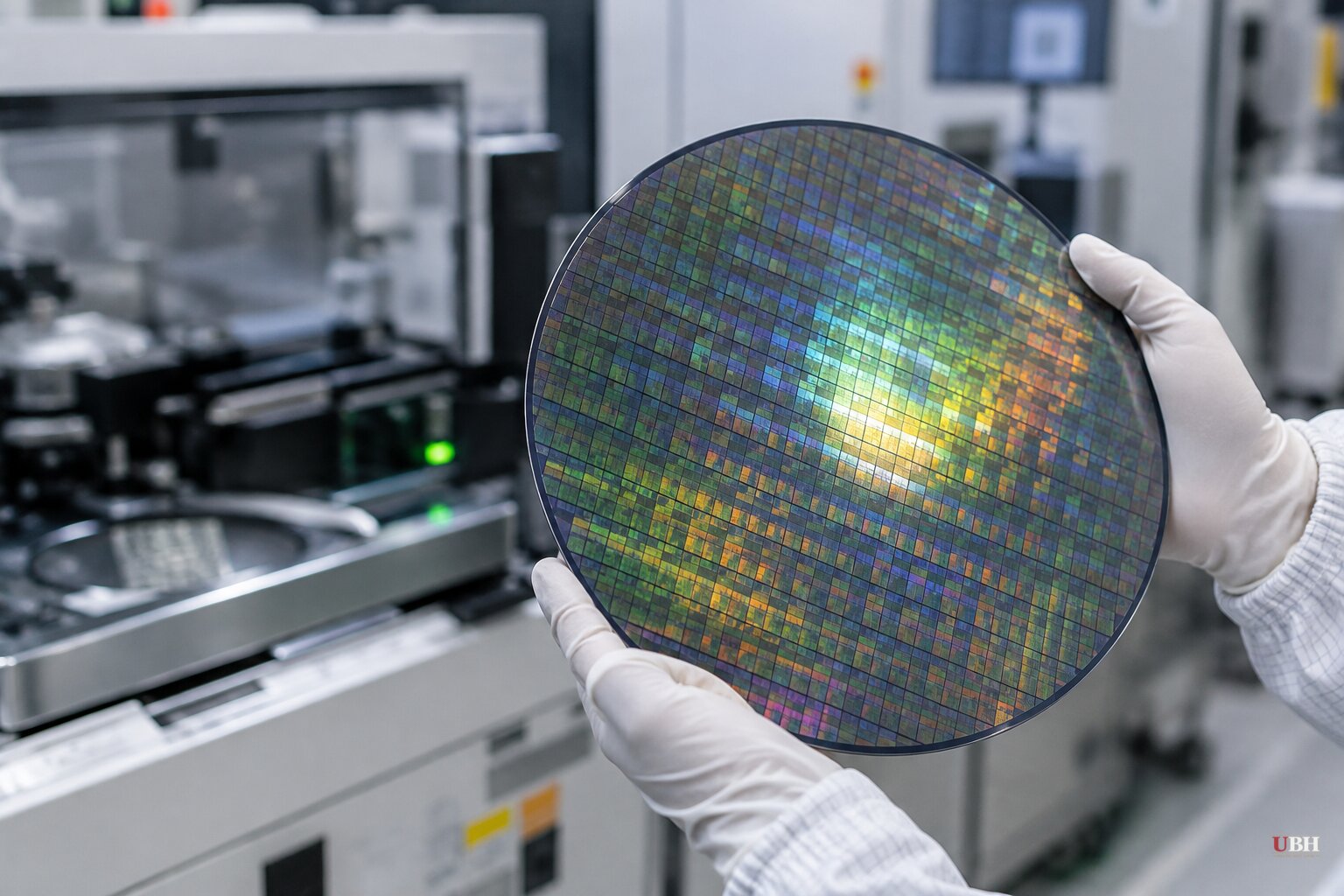
China's biggest memory chipmaker is going to build an AI chip component that mostly fails quality checks, because Chinese buyers cannot get enough of the real thing.
ChangXin Memory Technologies, known as CXMT, plans to start production of HBM3E, an advanced high-bandwidth memory chip used alongside AI processors. Two people familiar with the matter told Reuters that as little as 20% of the chips it makes are usable. The people declined to be identified because the plans are not public.
CXMT did not respond to a request for comment.
The yield gap
Yield is the share of chips coming off a production line that meet specifications. The two people put CXMT's HBM3E yields at roughly 20% to 30%. They put South Korea's SK Hynix, the market leader, at around 70%.
SK Hynix did not immediately respond to a request for comment on that estimate.
Low yields make production expensive, because a large share of chips has to be discarded or reworked. CXMT's HBM3E is expected to cost more than comparable overseas products, one of the people said.
Performance also trails. In testing, CXMT's HBM3E came closer to SK Hynix's previous-generation HBM3 than to SK Hynix's HBM3E, one of the people said.
What CXMT is doing about it
CXMT has sent HBM3E samples to several domestic AI chip designers. One person said limited production is expected to begin over the next two months.
The other person said the company has sent customers two versions: a standard design and an updated one with changes meant to improve yields. The company began developing the technology internally as early as 2024, the people said. The Information first reported CXMT's HBM3E plans.
HBM is made by vertically stacking memory chips so they can exchange data quickly with AI processors. It is a crucial component in the specialized chips used to train and run large language models.
Why a 20% yield is still worth running
The two sources said CXMT is pressing ahead because Chinese AI chipmakers have struggled to get enough advanced memory to raise output. That fits a government-backed push inside China to build domestic alternatives to Nvidia's AI processors at scale.
Washington tightened export controls on certain advanced HBM products bound for China in December 2024. Since then, Chinese chipmakers have increasingly sought the memory through unofficial channels, where it can cost several times more, the people said.
The squeeze already shows up in prices. Reuters reported last month that Huawei, Cambricon, MetaX and Iluvatar CoreX raised prices on current and next-generation AI chips by 20% to 50% as memory costs complicated efforts to ramp up production.
The export controls were designed to slow exactly this kind of capability. The curbs are creating real pain for Chinese AI hardware makers, while a state-backed champion is willing to absorb heavy waste to work around them.
CXMT's wider position
The HBM effort sits alongside CXMT's conventional DRAM business. Counterpoint Research says CXMT held a 10% share of global DRAM revenue in the second quarter, making it the world's fourth-largest supplier of conventional memory chips. Other trackers show lower figures; Omdia, for example, put it at 7.67% in the fourth quarter of 2025, according to a market-research summary.
The established HBM leaders remain far ahead. SK Hynix held 50% of global HBM revenue in the second quarter, according to Counterpoint, followed by Samsung with 33% and Micron with 18%. Most of that revenue came from HBM3E. US export controls also limit CXMT's access to some of the most advanced chipmaking equipment, making it harder to close the gap. Samsung said in July that it had expanded HBM4 sales and shipped HBM4E samples to major customers, putting CXMT at least one generation behind in commercial HBM production.
Stacking memory chips and keeping defect rates low is hard, and the difficulty of producing HBM illustrates the gap between CXMT and SK Hynix, Samsung and Micron, which dominate global supply.
The next marker is the limited production run one source expects over the next two months. Whether the yield-focused redesign improves on 20% to 30% will decide if CXMT's HBM3E becomes a real supply source for Chinese AI chip designers or stays a costly stopgap. CXMT has not commented publicly on its plans, and SK Hynix has not responded on the yield estimate.
Sources used for this briefing
6 links from 4 independent newsrooms (syndicated copies of the same report count once)
These are the sources it draws on, linked so you can verify.


