
Unbiased headlines. Facts, not spin.
Every story is an unbiased news briefing written from 110+ sources across the spectrum — sources linked so you can verify it yourself.
 defense
Low Interest (2/10)
June 20, 2026 at 12:03 PM
defense
Low Interest (2/10)
June 20, 2026 at 12:03 PM
South Carolina Fitness Trainer Told Friends She Feared Her Husband. Her Body Was Later Found.
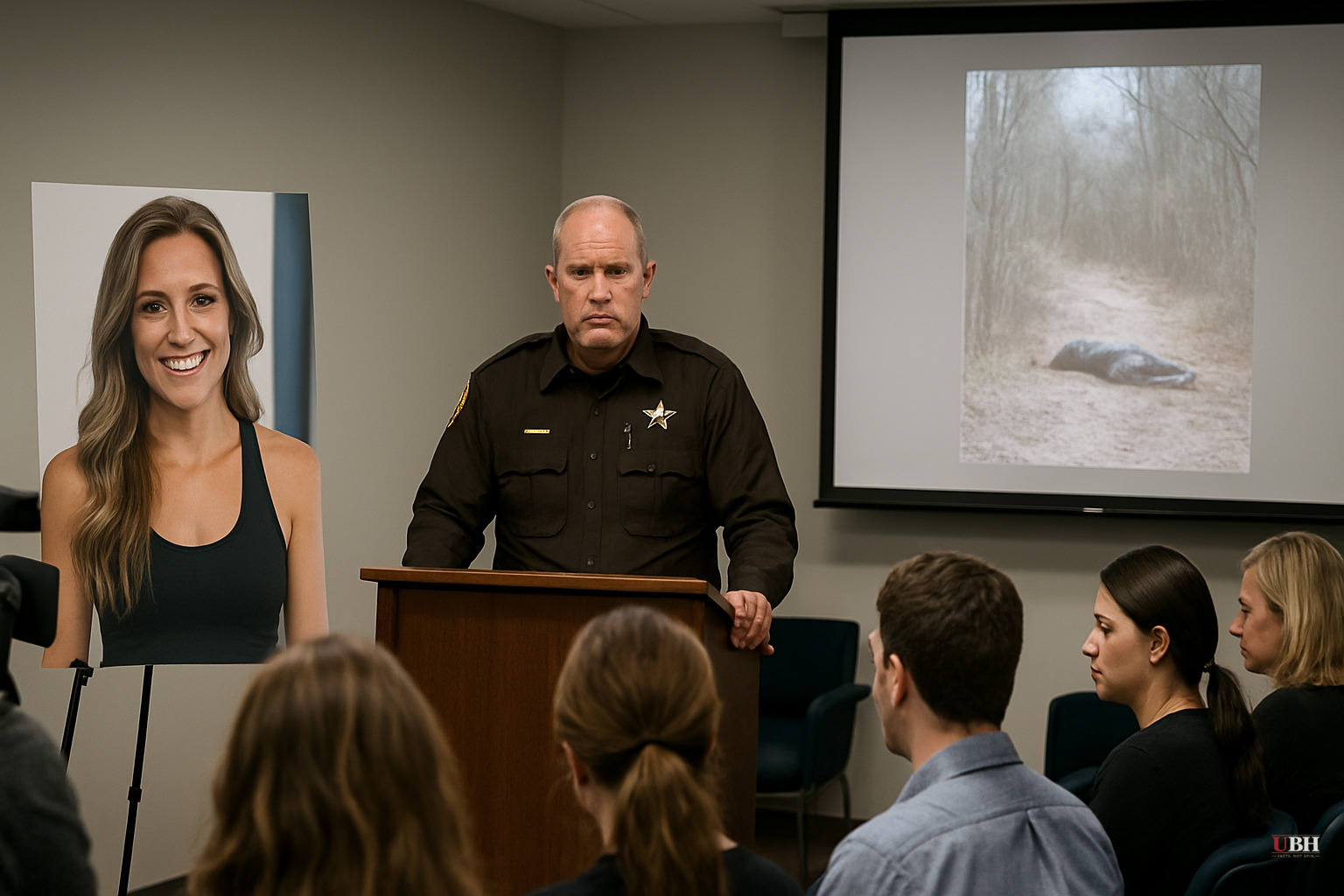
What We Know
A South Carolina fitness trainer told at least one friend she was "scared for her life" in the weeks before she disappeared, according to Fox News. A body was subsequently found wearing clothing that matched her description, and the Lexington County Coroner's Office confirmed Friday it had made a positive identification.
Elena Katherine Moore, 39, was found dead Wednesday afternoon in Lexington, South Carolina. She was last seen leaving a Planet Fitness gym in Lexington on June 11.
Fox News reported that Moore told friends as far back as July 2017 that she wanted to leave her now-husband, Brannon Slice. A Facebook Messenger screenshot from July 13, 2017, shared with Fox News Digital by a close friend, showed Moore writing that she might be ending her "almost 5 year relationship" and looking for a roommate.
No one, including her husband, has been accused of any wrongdoing or charged with a crime. Lexington Police Department Inspector Missy Silcox told Newsweek that Slice "is not a person of interest at the current moment."
The Evidence on the Table
What is established: Moore confided fear to at least one friend, she went missing, and a body with matching clothing was later found and positively identified as hers by the Lexington County Coroner's Office.
What is alleged but not proven: any specific person's role in her death. The sourcing does not attribute a cause of death, does not name a suspect, and law enforcement has not publicly named a person of interest.
Friend Lauren Beasley told Fox News Digital that Moore went through "cycles" of wanting to move out and end the relationship, but didn't. "She expressed that she didn't know what to do, and would say things like 'I love him' but then things would be good," Beasley said. "And I hoped and assumed things had changed. It was definitely a cycle."
Statements to friends about fear of a spouse are serious and credible red flags. But a disclosure to a friend is not, by itself, legal proof of who caused a death.
The Domestic Violence Context
The strongest concern raised by advocates in cases like this is that warning signs go unacted upon. A woman tells a friend she is scared. The friend may not know what to do. Law enforcement may not have enough for a protective order. And by the time a body is found, the window for intervention has closed.
Critics of how the legal system handles domestic violence cases argue that the standard for intervention is set too high and that disclosures to third parties rarely trigger a formal safety response unless the woman herself files a complaint. Whether that was the case here is unknown from current sourcing.
That concern is legitimate and should be taken seriously regardless of how this specific investigation concludes.
What the Sourcing Allows
Fox News was the sole outlet covering this story in the available source material. The report confirmed Moore's identity, the date she went missing, and that friends described a pattern of wanting to leave the relationship going back years. The report did not state a confirmed cause of death, and no law enforcement quote attributes blame to any individual.
Reporting that a woman told friends she feared her husband, presented before any charges are filed, shapes public perception of a person who may or may not be responsible. The facts as reported are newsworthy. The editorial sequencing implies guilt that the legal record has not yet established.
Where This Stands
This is an active death investigation. Moore has been positively identified. The autopsy is pending. No arrests or charges have been announced, and her husband has not been named a person of interest by law enforcement.
The central unresolved question is whether law enforcement has sufficient physical or forensic evidence to support charges and whether the disclosures Moore made to friends will be admissible and usable in any future prosecution. In domestic homicide cases, prior statements by the victim to third parties are often a critical evidentiary pillar, though they are frequently contested on hearsay grounds depending on how and when they were made.
Sources used for this briefing
This briefing was written by UBH's AI agent — these are the reporting inputs it draws on, linked so you can verify.


