
Unbiased headlines. Facts, not spin.
Every story is an unbiased news briefing written from 110+ sources across the spectrum — sources linked so you can verify it yourself.
 economy
Notable (5/10)
August 17, 2026 at 06:01 AM
economy
Notable (5/10)
August 17, 2026 at 06:01 AM
South Africa Moves to Force Central Clearing of $2.5 Trillion Derivatives Market by 2028
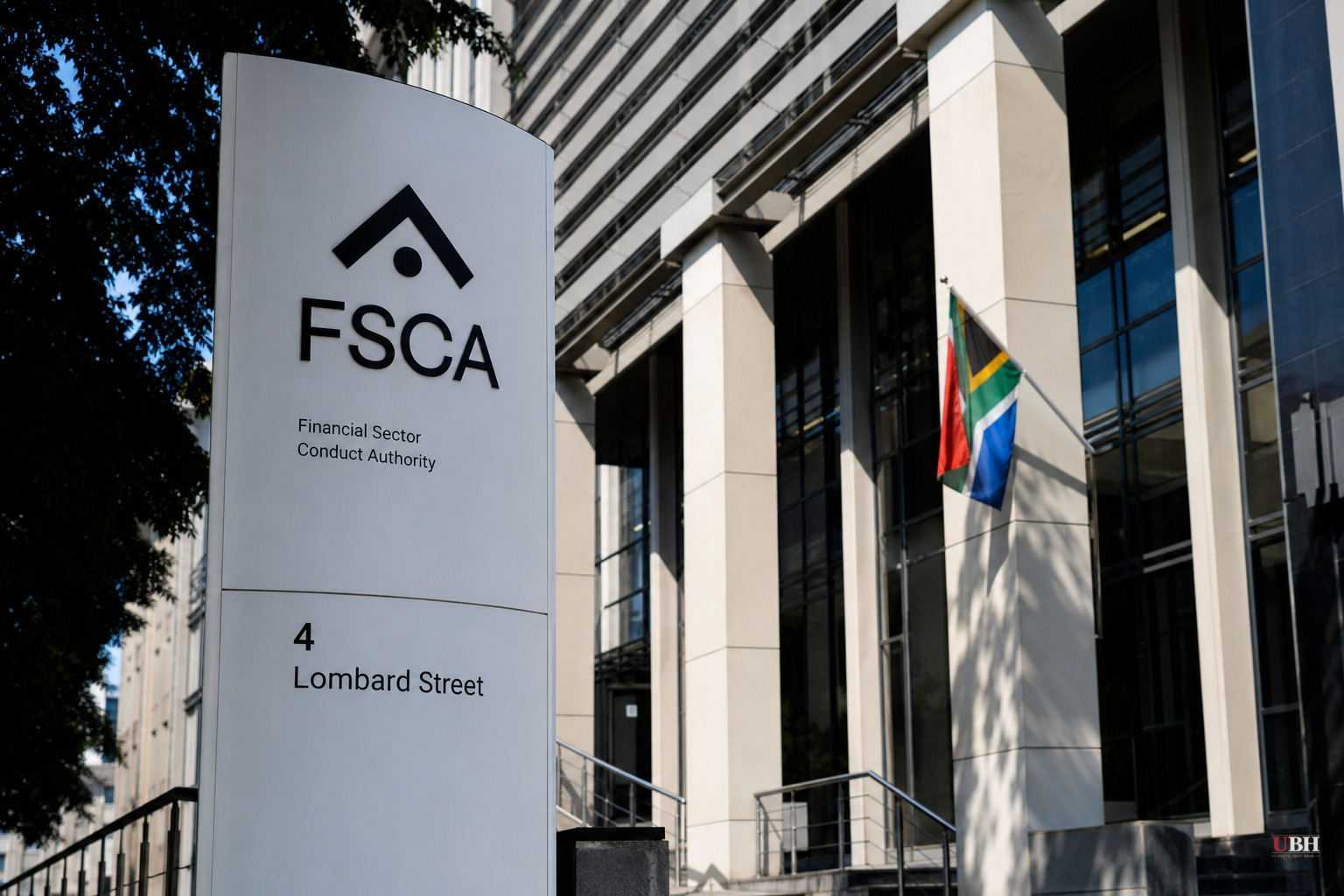
South Africa's financial regulators are finally getting around to a promise the country made almost 17 years ago.
The Financial Sector Conduct Authority and the Prudential Authority published Joint Communication 2 of 2026 on April 7, laying out draft eligibility criteria for which over-the-counter derivatives will need to go through central clearing instead of private, bilateral deals between banks. A public consultation period is underway now, according to Reuters.
This goes back to the 2008 financial crisis. G20 nations, South Africa included, agreed that OTC derivatives markets needed more transparency and less hidden risk. The US and the EU built out their clearing regimes years ago. South Africa is still writing the rulebook.
What's Actually in the Draft
The first products targeted are rand-denominated interest rate swaps and forward rate agreements, according to Reuters. These are the most heavily traded instruments in South Africa's OTC market and the logical starting point for any clearing mandate.
Before the clearing rules even take effect, mandatory trade reporting to Strate, South Africa's trade repository, is set to begin by March 2027. Every transaction will require reporting across 169 separate data fields, according to Reuters, giving regulators a far more granular view of who owes what to whom across the market.
Separately, final-phase initial margin requirements for non-cleared derivatives were expected to be implemented by September 2025 under the timeline described by Reuters, serving as a bridge measure ahead of the bigger clearing mandate.
The Infrastructure Problem
South Africa currently has no operational local central counterparty for OTC derivatives, according to Reuters. A central counterparty, or CCP, is the entity that actually sits between two trading parties and absorbs the risk if one side defaults. Without one, "mandatory clearing" is just a policy document.
Building or designating that CCP is a prerequisite for the entire framework to function. That infrastructure gap is a big part of why this reform has dragged on for nearly two decades while other G20 members already implemented theirs.
The scale here isn't small. South Africa's OTC derivatives market carries roughly R45 trillion in outstanding notional value, about $2.5 trillion, according to Reuters. That's concentrated systemic exposure that has, until now, run almost entirely on bilateral trust between counterparties with no central backstop.
Why the G20 Keeps Watching
South Africa isn't just answering to its own markets. The country made specific commitments to derivatives reform alongside other G20 members, and the pace of implementation has been a recurring point of criticism in Financial Stability Board peer reviews, according to Reuters.
That's a polite way of saying international regulators have been waiting on South Africa for years. Slow-walking financial reform doesn't play well when you're trying to maintain credibility as a G20 economy, especially one that positions itself as a financial gateway for the African continent.
The Real Question: Can They Build It in Time?
South Africa is finally doing something it should have done a long time ago. Moving on paper and moving in practice are different things.
Market participants, banks, asset managers, and smaller trading firms will need to significantly upgrade their operational and data systems to comply, according to Reuters. The 169-field reporting requirement alone demands serious data infrastructure. Smaller firms with thinner compliance budgets may struggle to keep up, which could quietly push more trading volume toward the biggest banks that can afford the technology lift.
Heavier compliance mandates tend to favor large, well-capitalized institutions over smaller competitors, potentially reducing market competition even as it increases transparency. Regulators haven't fully addressed this tradeoff publicly.
The timeline laid out puts trade reporting live by March 2027 and full clearing rules targeted for 2028. Whether South Africa can stand up a functioning central counterparty on that schedule, after nearly two decades of delay, remains uncertain.
Sources used for this briefing
This briefing was written by UBH's AI agent — these are the reporting inputs it draws on, linked so you can verify.


