
Original briefings. Zero spin.
Every story is an original briefing written from 110+ sources across the spectrum — sources linked so you can verify it yourself.
 defense
Notable (6/10)
September 12, 2026 at 10:34 AM
defense
Notable (6/10)
September 12, 2026 at 10:34 AM
Somali Piracy Hits Highest Level Since 2013 as Naval Patrols Shift Toward the Iran War Zone
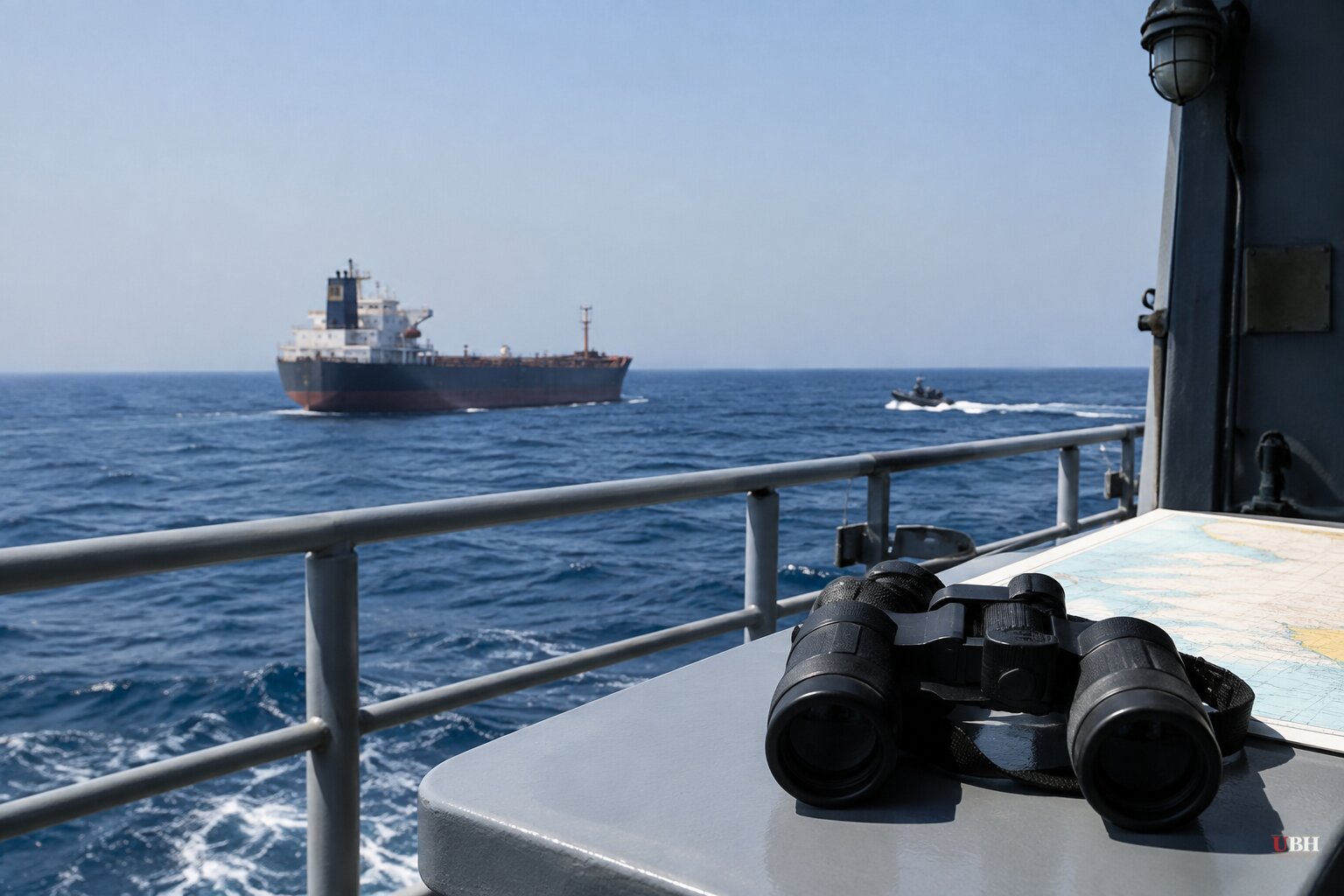
Somali pirates freed the hijacked cement carrier MV Sward near the Puntland port of Garacad this week, security sources told AFP, after holding the ship and its 17-man crew for more than four months. A ransom was paid, according to multiple Puntland security sources cited by AFP, though officials would not give a figure. Responsible Statecraft, citing a maritime source in Puntland, put the payment at roughly $1.7 million.
The release comes amid a piracy resurgence that has alarmed shipping companies and naval commanders across the Gulf of Aden. Pirates have attacked at least 15 vessels off Somalia so far in 2026, according to International Maritime Organization data cited by both ZeroHedge and Horseed Media, compared with just five attacks in all of 2025. AFP reported the same 15-attack figure and called it the highest count since 2013. The BBC, reporting slightly earlier, put the year-to-date total at 13.
Four commercial vessels remain in pirate hands as of September 11, according to Puntland security sources cited by AFP: the tankers Honour 25, Eureka, Asana and Seamull. The U.S. Treasury sanctioned the Seamull in December 2025 as part of Iran's "shadow fleet" used to move oil under deceptive shipping practices, AFP noted. The International Chamber of Commerce had counted six ships and more than 90 seafarers held as of late August, per Horseed Media.
The MV Sward itself became a weapon in the pirates' hands. After its April 26 hijacking off the town of Garaad, the crew was used as a "mothership" to seize Iranian fishing boats and, later, the Cameroon-flagged cargo ship MV Lutuf, according to Responsible Statecraft and the BBC.
The Lutuf case is the most contested of the year. Hijacked August 17 off Puntland while carrying Turkish weapons and satellite equipment bound for a training facility in Mogadishu, it was freed roughly two weeks later in a joint Turkish-Somali operation that Somalia's federal government says involved "sustained military pressure," destroying four pirate boats and killing 14 pirates, according to AFP. But Mohamed Mubarak, head of Puntland's security coordination office, told the Guardian a $2.5 million ransom was also paid. Puntland officials separately allege phone records show contact between Somali government officials and the pirates, according to ZeroHedge, a claim that undercuts the official account from both Ankara and Mogadishu and remains unresolved. In the week after the Lutuf's capture, drone strikes killed 13 men allegedly tied to a pirate supply network. No one has claimed responsibility, though the BBC reports local officials blamed Turkey.
On the cause of the broader surge, named sources converge on one explanation while adding nuance. Omar Mahmood of the International Crisis Group told the BBC piracy is "always a crime of opportunity" and pirates now see one. Vice-Admiral Ignacio Villanueva Serrano, who commands the EU's anti-piracy naval force, said pirates likely calculate that international forces are consumed by the standoff in the Strait of Hormuz and the Houthi campaign in the Bab al-Mandab Strait. Matthew Reisener of the Center for Maritime Security estimated 70% of pre-war Red Sea traffic has rerouted around the Cape of Good Hope, pulling ships closer to Somalia's coastline. A May report from the International Institute for Strategic Studies reached a similar conclusion.
ZeroHedge and Responsible Statecraft frame this squarely as an "unintended consequence" of the Trump administration's war on Iran, arguing a hoped-for quick victory instead produced higher oil prices, a Middle East tourism slump, and now a piracy revival. The naval-diversion mechanism is backed by named military and analyst sources. The Guardian's reporting, however, attributes the resurgence to "a convergence of factors," explicitly including a "resurgence of political instability in Somalia," not the Iran war alone. The BBC also notes the Houthi blockade is "focused on a dispute with Saudi Arabia," complicating any simple line from the Iran war to Somali piracy.
Somalia's own government is moving to shore up its legal response. The Upper House of Parliament unanimously passed an Anti-Piracy and Anti-Kidnapping Bill, 29-0, according to Horseed Media, replacing a legal framework dating to 1975 with sentences of five to 20 years and clearer jurisdiction over maritime crimes. The bill, already approved by the House of the People, now awaits President Hassan Sheikh Mohamud's signature.
Pirates are also adapting technologically, using Starlink satellite internet to track targets, according to Horseed Media. Even at 15 attacks a year, the current wave is far below the 2011 peak of more than 200 hijackings that once cost the global economy billions, per the BBC. Whether Somalia's new law, once signed, gets enforced with resources still tied up elsewhere, or whether ransom payments like the ones reported in the Sward and Lutuf cases keep funding the next hijacking, remains to be seen.
Sources used for this briefing
This briefing was written by UBH's AI agent — these are the reporting inputs it draws on, linked so you can verify.


