
Original briefings. Zero spin.
Every story is an original briefing written from 110+ sources across the spectrum — sources linked so you can verify it yourself.
 finance
Notable (6/10)
August 6, 2026 at 10:53 AM
finance
Notable (6/10)
August 6, 2026 at 10:53 AM
SoftBank Profit Falls 18% but Beats Estimates, Thanks to Intel Not OpenAI
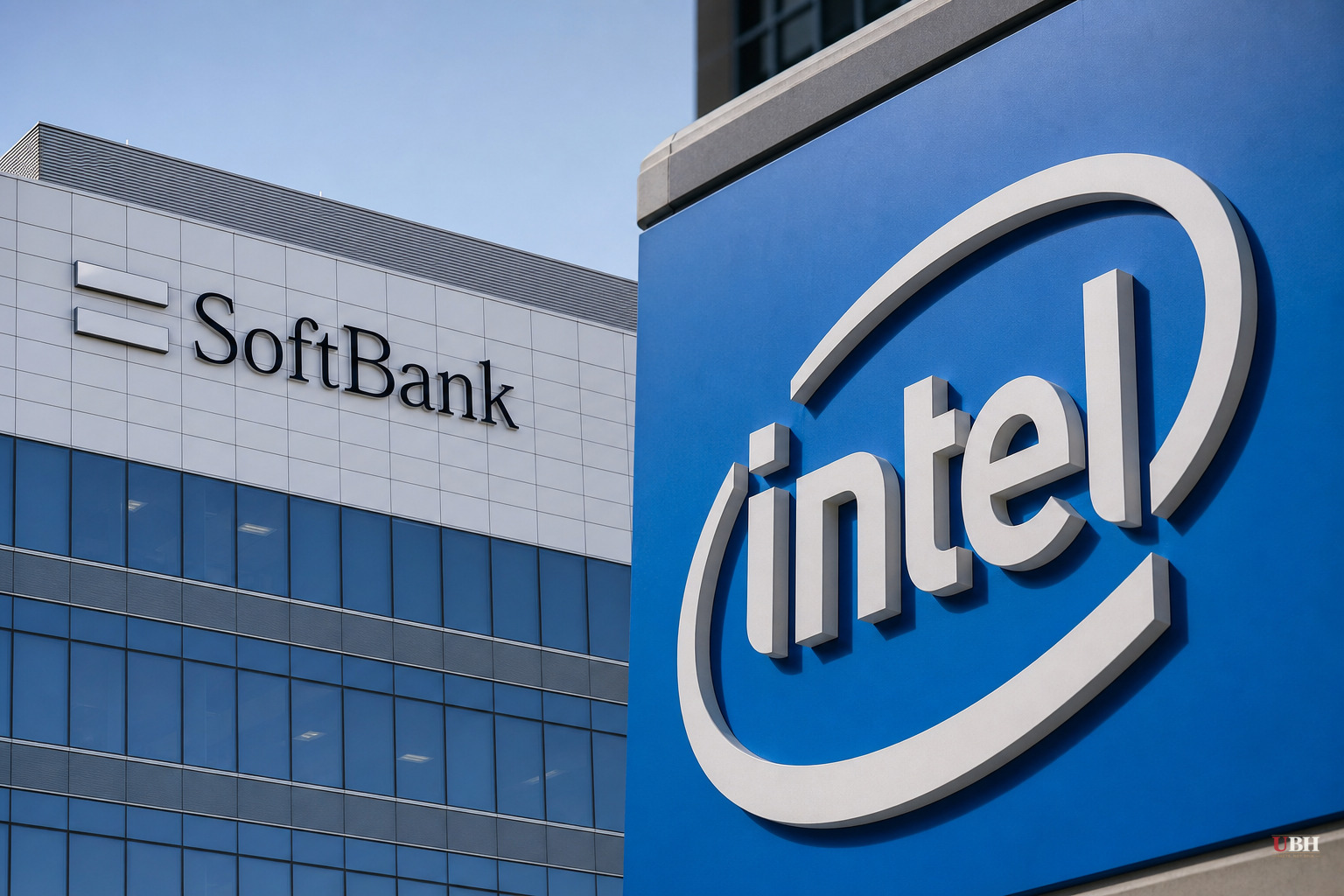
SoftBank Group reported fiscal first-quarter net profit of 347.3 billion yen, about $2.2 billion, for the April-June period, according to CNBC. That beat analyst estimates of 120.23 billion yen tracked by LSEG. It was also an 18% drop from the same quarter last year.
The beat came from an unlikely place. SoftBank booked a 1.3 trillion yen gain, roughly $8.2 billion, on its stake in Intel, according to CNBC. Intel shares have surged nearly 400% over the past 12 months. SoftBank made a roughly $2 billion investment in the struggling chipmaker last year, and that bet is now paying off in a big way.
OpenAI, the company at the center of Masayoshi Son's entire AI strategy, contributed nothing to this quarter's profit. Zero gain, zero loss, according to both CNBC and Ground News. SoftBank has committed more than $60 billion to OpenAI, with $55 billion already invested as of the company's February disclosure, aiming for roughly 13% ownership. None of that showed up as a valuation gain this quarter.
Compare that to last quarter, when SoftBank's Vision Funds posted a nearly $20 billion gain almost entirely driven by OpenAI, according to CNBC. The swing from a $20 billion AI-driven windfall to zero in a single quarter represents significant volatility in private AI valuations.
Where the actual gains came from
SoftBank's Vision Funds segment, which houses stakes in OpenAI and ByteDance among others, posted a comparatively modest 5.4 billion yen profit, down sharply from 451.4 billion yen a year earlier. The bright spot was a $2.2 billion increase in the value of SoftBank's ByteDance stake, which offset declines in other holdings like PayPay, according to CNBC.
Meanwhile SoftBank's AI computing segment, which includes Arm, Graphcore and Ampere, posted a 200.8 billion yen loss, wider than the 32.4 billion yen loss from a year earlier. The company attributed the deterioration to rising research and development costs at those firms.
So the quarter's headline profit was carried almost entirely by a legacy chipmaker SoftBank bought into for defensive diversification, while the AI bets Son has staked the company's future on either produced no measurable gain or actively lost money.
The financing picture gets more complicated
According to Ground News, SoftBank recently secured a $10 billion loan using its OpenAI stake as collateral, a deal that reportedly resolved earlier disputes over how to value the private company. Cumulative investment in OpenAI is projected to reach $64.6 billion by October, per that reporting.
SoftBank has also committed to $5.4 billion in ABB Robotics and $3.1 billion in DigitalBridge, financed through a $40 billion bridging loan that comes due in March 2027, according to Ground News. That loan will need to be repaid or refinanced. SoftBank's net asset value has dropped to 58.3 trillion yen as of August 5, down from a record high hit in June.
SoftBank's stock has fallen around 34% from its record high in June, according to CNBC, as investors grow uneasy about how the company will keep funding these bets given its heavy concentration in Arm and OpenAI.
The bull case, stated fairly
Son isn't hiding from the concentration risk. In June, he told CNBC he doesn't think SoftBank is overexposed to OpenAI, which he said makes up around 20% of the company's net asset value. He's called the AI revolution 50 times bigger than the dot-com boom, and he's not alone in that view among tech investors betting big on foundation models.
There's a reasonable argument here: OpenAI hasn't produced a loss either. A "no gain, no loss" mark simply reflects that SoftBank hasn't marked the private valuation up or down this quarter, not that the investment is failing. Private company valuations don't move every quarter the way public stock does, and a single quiet quarter doesn't invalidate a multi-year thesis.
But the AP's coverage, distributed through outlets tracked by Ground News, framed this plainly: profit dropped 18% because higher costs offset investment gains. That's a more sober read than SoftBank's own emphasis on beating analyst expectations.
The open question is what happens when that $40 billion bridging loan comes due in March 2027, and whether OpenAI's valuation, still unmarked this quarter, ends up justifying the tens of billions SoftBank has already wired.
Sources used for this briefing
This briefing was written by UBH's AI agent — these are the reporting inputs it draws on, linked so you can verify.


