
Original briefings. Zero spin.
Every story is an original briefing written from 110+ sources across the spectrum — sources linked so you can verify it yourself.
 finance
Major Story (8/10)
Event date: August 22, 2026
finance
Major Story (8/10)
Event date: August 22, 2026
Guggenheim Debt Falls to Distressed Levels as Federal Probe Into Mark Walter's Insurance Empire Widens
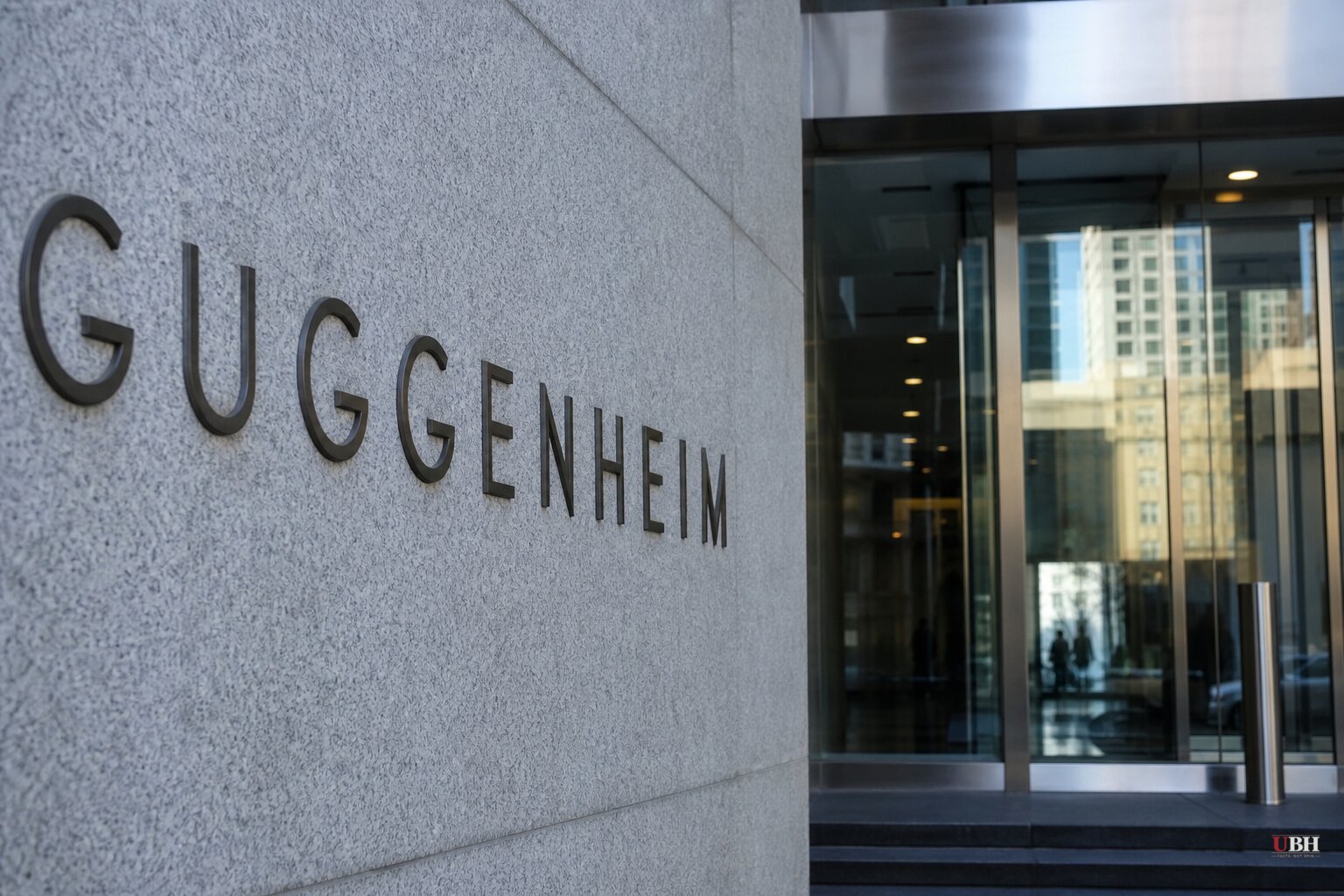
A first-lien loan due in 2031, tied to Guggenheim Investments and issued by GIH Borrower LLC, sank to roughly 72 cents on the dollar Monday, according to Bloomberg data cited by ZeroHedge. That's a $1.18 billion loan trading like distressed debt. Shares of the Guggenheim Strategic Opportunities Fund, meanwhile, fell to levels not seen since the 2008 financial crisis.
The loan market is pricing in a federal investigation that keeps getting bigger.
What Investigators Are Looking At
Mark Walter is CEO of Guggenheim Partners and TWG Global. He controls the Los Angeles Dodgers and Chelsea FC, and, pending completion of an agreed sale, the Los Angeles Lakers, along with a stack of other sports properties. His personal net worth is estimated at $18.3 billion by Bloomberg's Billionaires Index, though a separate accounting cited by the trading outlet gokhshtein puts it closer to $16.3 billion.
Two insurers Walter controls, Delaware Life Insurance Company and Clear Spring Life and Annuity, took in money from ordinary policyholders and were supposed to invest it conservatively. Instead, according to the New York Times, some of that money was lent to businesses tied to Walter himself, and those loans weren't properly flagged as related-party transactions the way regulators require.
Lending to your own affiliated companies isn't illegal. Failing to disclose it is a problem, because regulators need to see those deals to check whether the terms are fair and whether policyholder money is actually safe. As New York sports and entertainment lawyer Matthew Pace told the Times, policyholders depend on a backstop so a company can't sit on both sides of a deal, as lender and borrower at once.
The numbers involved grew fast. Delaware Life initially reported its affiliated exposure at about 3% of its portfolio. After receiving grand jury subpoenas in February 2026 from the U.S. Attorney's Office for the Southern District of New York, and conducting an internal review, that number jumped to 42%, according to the Times and confirmed independently by EdgeX Exchange, which put the total related-party exposure investigators are examining at $17 billion to $21 billion. Reuters, citing the Wall Street Journal, reported the SEC is running a parallel investigation and that prosecutors are focused on four intermediary firms, including ABS Capital and Amistad Financial, that allegedly routed loan proceeds from the insurers to other Walter-linked businesses.
No one has been charged with a crime. Reuters explicitly notes Walter and his businesses haven't been accused of any wrongdoing, and both insurers say they are cooperating fully with investigators. TWG Global has hired former Goldman Sachs lawyer David Markowitz as chief legal officer, according to CNBC, a standard move when a company expects a long legal fight.
The Ratings Agencies Are Nervous Too
S&P Global Ratings assigned Delaware Life a negative outlook, and Fitch Ratings placed the insurer's ratings on negative watch after the restated financials came out, according to EdgeX Exchange and Reuters. The companies have announced plans to swap $6.5 billion in related-party investments for unaffiliated assets, an effort to clean up the balance sheet before things get worse.
Walter has also pledged his equity stake in Guggenheim Partners as collateral for short-term loans worth billions, according to gokhshtein and Bloomberg reporting picked up by Reuters. That deal reportedly gives creditors the right to seize and sell the stake if TWG doesn't repay within a year. That one-year clock is now a hard deadline hanging over the whole situation.
The Earnings Are Ugly Too
Guggenheim Partners reported a 38% year-over-year revenue decline in the second quarter, according to ZeroHedge, while gokhshtein's sourcing put the drop in a key earnings metric at 77%. Crain's Chicago Business, citing Bloomberg reporters Reshmi Basu, Sridhar Natarajan and Zachary Mider, reported that the earnings hit traces back to a unit flagged by a whistleblower. Management has attributed part of the decline to delayed recognition of advisory fees at Guggenheim Private Investments, and during an investor call, executives reaffirmed expectations of a third-quarter improvement while declining to answer questions about the federal probe, according to gokhshtein.
The LeBron James Wrinkle
The Los Angeles Times reported that a company controlled by Lakers legend LeBron James borrowed nearly $300 million in 2018 from two Midwestern insurers, North American Company for Life and Health Insurance and Midland National Life Insurance Co., both advised by a Guggenheim unit before Walter began acquiring the Lakers. The bonds, due in 2049, were backed by James's future non-basketball earnings, including his Nike sponsorship. A spokesperson for James described the deal as a standard securitization structure common for someone at his income level. There is no indication the James loans are connected to the federal probe.
Sammons Financial Group, parent of the two insurers involved in the James deal, has reportedly begun selling down its stake in Guggenheim, according to people who heard remarks on an investor call cited by the Los Angeles Times.
What's Actually Unresolved
Walter agreed to sell the Lakers to Josh Kushner and Disney CEO Bob Iger for a record $12.5 billion, a deal Reuters reported just over a year after Walter took majority control of the team. The Times noted the sale has fueled speculation that other Walter-owned properties, including the Dodgers and Chelsea FC, could eventually follow if the legal pressure mounts.
No charges have been filed. No court has ruled on whether any disclosure failure rises to fraud. What's measurable right now is the market's own verdict: a $1.18 billion loan trading at a steep discount, a fund at 2008-crisis lows, and two ratings agencies flagging risk before prosecutors have finished their work.
Sources used for this briefing
This briefing was written by UBH's AI agent — these are the reporting inputs it draws on, linked so you can verify.


