
Original briefings. Zero spin.
Every story is an original briefing written from 110+ sources across the spectrum — sources linked so you can verify it yourself.
 finance
Major Story (7/10)
August 25, 2026 at 06:35 PM
finance
Major Story (7/10)
August 25, 2026 at 06:35 PM
Mexico's Government Has Poured $130 Billion Into Pemex. Bond Traders Are Pricing the Debt Like Junk
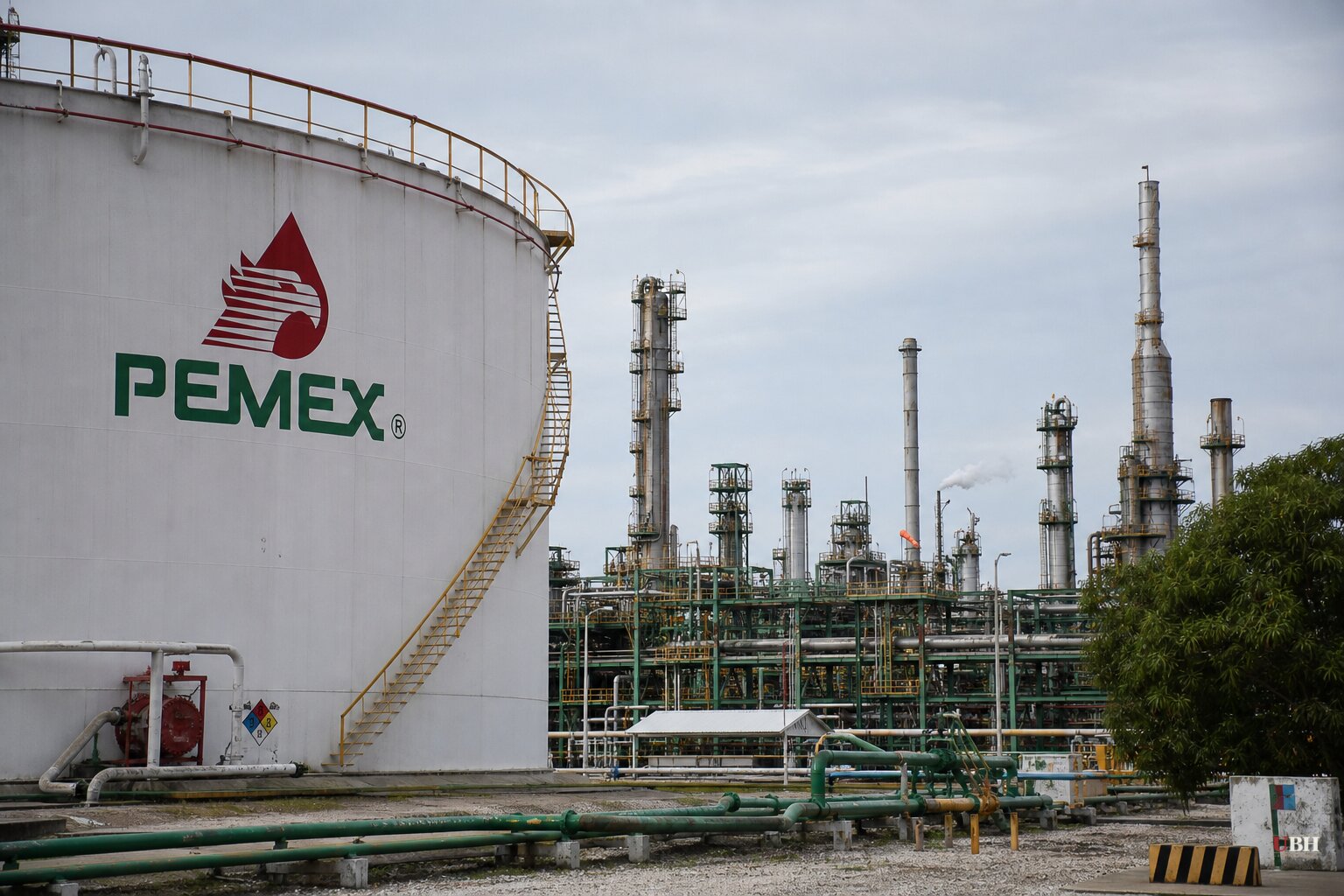
Mexico used to be the fiscal poster child of emerging markets. It carried an A-grade bond rating just a few years back. Now the country is one notch above junk status, and bond traders are already treating its debt like it's there, according to a Bloomberg analysis republished by Bloomberg Línea, La República and Reforma.
The culprit, per that reporting: Petróleos Mexicanos, the state oil company known as Pemex.
Since taking office, President Claudia Sheinbaum has directed more than $50 billion in financial support to Pemex over the past two years, according to Bloomberg's reporting. Her predecessor and political mentor, Andrés Manuel López Obrador, funneled roughly $80 billion to the company during his term. Combined, that's more than $130 billion in state support for one company.
For scale: Bloomberg notes that figure is larger than what Mexico spends on its entire military, including the security forces fighting drug cartels. Critics point to that comparison as evidence of a strategic misallocation of national resources — propping up a struggling state oil company at a scale that outpaces spending on national defense.
The Ratings Hit
Moody's Ratings downgraded Mexico's sovereign credit rating to Baa3 from Baa2 in May 2026, placing the country a single notch above non-investment-grade status, though the agency revised its outlook from negative to stable, according to Mexico Business News. S&P Global Ratings didn't downgrade Mexico outright but shifted its outlook to negative in June, warning that continued fiscal support for Pemex and the state power utility CFE could increase Mexico's fiscal rigidity, according to Industry & Energy Magazine.
Moody's separately calculated that Mexico needs a fiscal adjustment equal to 2.4% of GDP just to stabilize its public debt trajectory, according to a Moody's report covered by Mexico Business News. Government debt has grown by roughly 14 percentage points of GDP between 2019 and 2025, and Moody's projects it could approach 55% of GDP by 2028 without changes.
Why Pemex Keeps Draining the Treasury
Pemex's core problem hasn't gone away: an oversized workforce pulling shrinking volumes of crude from aging wells. Production sits around 1.6 million barrels a day, according to Industry & Energy Magazine, one of the lowest levels in decades.
Arturo Porzecanski, a researcher at American University quoted by Bloomberg, called the dynamic a "parasitic relationship." State support lowers the market's perception of Pemex's own default risk, he said, but it does so by pushing that risk onto the sovereign's balance sheet.
Claudio Loser, an economist who has studied Latin America since the 1970s and previously ran the IMF's Western Hemisphere department, told Bloomberg he's never seen a state enterprise in the region undermine a national government's finances to this degree.
Pemex, for its part, disputes that its financial trajectory is only getting worse. In a response to Bloomberg, the company said its debt has fallen nearly 27% from its 2018 peak and that cash flow and margins have improved. That's Pemex's own account of its trend line, and it's worth weighing against the scale of the bailouts that produced it.
Bond traders demanding higher yields on Mexican sovereign debt doesn't stay contained to the government. Bloomberg's reporting states plainly that this dynamic raises financing costs "for all borrowers" in Mexico, at a moment when the country needs more investment, not less, to jumpstart an economy Bloomberg describes as fragile.
Pemex returned to bond markets in February 2026 with a 31.5 billion peso placement aimed at covering liabilities due this year, according to Industry & Energy Magazine. That's a company still borrowing to cover near-term obligations while the government backstops it from above.
None of the outlets reviewed here, including the Bloomberg-sourced pieces run by Reforma, La República, Bloomberg Línea and Industry & Energy Magazine, dispute the core numbers. They largely republish the same Bloomberg analysis, which means this is one investigative thread carried across multiple outlets rather than independent confirmation from separate reporting.
The open question is whether Sheinbaum's government changes course. So far the pattern under both AMLO and Sheinbaum has been the same: keep the checks flowing rather than restructure the company. S&P's negative outlook and Moody's fiscal-adjustment math both point to the same pressure point: whether Mexico's federal budget can absorb more Pemex support without another downgrade that pushes the country into full junk territory.
Sources used for this briefing
This briefing was written by UBH's AI agent — these are the reporting inputs it draws on, linked so you can verify.


