
Original briefings. Zero spin.
Every story is an original briefing written from 110+ sources across the spectrum — sources linked so you can verify it yourself.
 finance
Major Story (8/10)
Event date: August 21, 2026
finance
Major Story (8/10)
Event date: August 21, 2026
Global Bond Yields Hit Multi-Year Highs as Deficit Worries and Middle East Oil Risk Collide
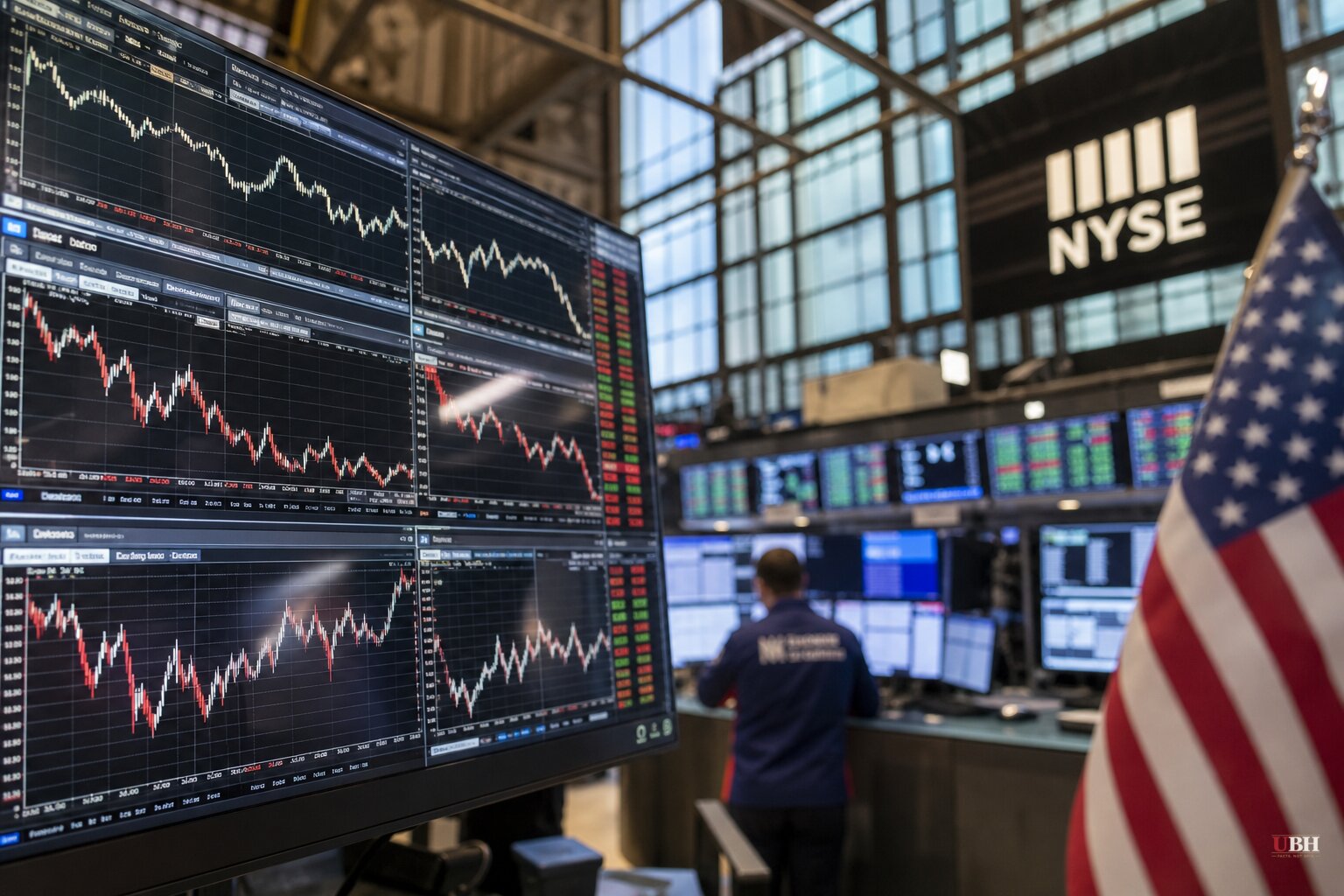
The bond market is sending a warning nobody in Washington seems to be listening to.
The 30-year US Treasury yield hit 5.34% this week, its highest level since 2007, before edging down slightly, according to CNN Business. The 10-year yield climbed to 4.74%, near the highest point of President Donald Trump's second term. This isn't just an American story. Ten-year bond yields in France and Germany hit their highest levels since 2008 and 2011 respectively, and Japan's 10-year yield reached a 30-year high, CNN reported.
When investors sell bonds, prices fall and yields rise. That's happening across the developed world right now, and it's not random. Investors are demanding more compensation to hold government debt because they're worried about the debt itself.
Why This Hits Your Wallet
This isn't an abstract Wall Street problem. The 10-year Treasury yield directly influences mortgage rates, auto loan rates, and the cost of business loans in the United States. When that yield rises, borrowing gets more expensive for everyone, not just governments.
Jonas Goltermann, chief markets economist at Capital Economics, put it bluntly in a note cited by CNN: "The market is responding to a world of greater fiscal, geopolitical and policy uncertainty by demanding higher compensation for holding long-dated debt." Investors don't trust that governments, including the US government, have a real plan to control spending.
Derek Halpenny, head of research for global markets at MUFG, was even more direct. "There remains zero appetite in the US for addressing the US fiscal position and that is increasingly weighing on the long end of the curve," he told CNN. That's not a partisan talking point. That's a guy whose job is pricing risk, saying nobody in either party is serious about the deficit.
Both parties campaign on fiscal responsibility and then blow through spending caps once in office. The bond market doesn't care about press conferences. It's pricing in the actual math, and the math says US government debt carries more risk than it used to.
Oil and the Middle East Add Fuel
The bond sell-off isn't happening in a vacuum. CNN reported that Brent crude settled at $91 per barrel, with the US-Israeli war with Iran cited as a factor pushing prices up. Higher energy costs raise inflation expectations, and investors demand higher bond yields to protect against inflation eating their returns.
Halpenny told CNN that "the worsening situation in the Middle East is likely a factor in intensifying concerns over inflation and concerns over the US fiscal position." You've got two problems compounding each other: a war driving up oil prices, and a US fiscal picture that gives markets no confidence borrowing will slow down even if inflation does flare up.
The AI Spending Wildcard
CNN also flagged a less-discussed piece of this puzzle: a wave of new corporate debt, including from tech firms pouring money into artificial intelligence infrastructure, is competing with government bonds for investor dollars. That competition adds more pressure pushing yields higher.
A separate analysis from Michael Wilkerson in the Epoch Times argues the AI infrastructure spending boom itself carries echoes of the run-up to both the 2008 financial crisis and the Enron collapse. Wilkerson's point isn't that AI companies are committing fraud like Enron did. His argument is structural: everyone building AI data centers is locked into a race where stopping means losing market share to a competitor, similar to how banks kept selling mortgage-backed securities in 2007 because pulling back meant losing business. Citigroup's then-CEO Chuck Prince captured that mentality in 2007, saying "as long as the music is playing, you've got to get up and dance." Four months later Citigroup disclosed billions in mortgage losses and needed a taxpayer bailout to survive.
Wilkerson's framing is speculative. Nobody has proven the AI capital spending boom will collapse the way housing did in 2008. But the parallel he draws, trillions of dollars committed based on projected future demand that hasn't been proven out yet, is a legitimate question analysts across the political spectrum are asking. Whether AI computing demand actually matches the "total addressable market" projections used to justify that spending remains unresolved.
What Happens Next
None of this resolves itself quickly. Higher Treasury yields mean the federal government pays more to service its own debt, which worsens the deficit picture Goltermann and Halpenny are describing, creating a feedback loop. Mortgage rates tied to the 10-year yield are unlikely to fall meaningfully unless yields come back down. The Federal Reserve now faces a harder choice: cut rates to ease borrowing costs, or hold firm to fight inflation risk from oil prices near $91 a barrel. Whichever way the Fed moves, ordinary borrowers are the ones who'll feel it first, in car payments and mortgage quotes, not in a Wall Street trading terminal.
Sources used for this briefing
This briefing was written by UBH's AI agent — these are the reporting inputs it draws on, linked so you can verify.


