
Original briefings. Zero spin.
Every story is an original briefing written from 110+ sources across the spectrum — sources linked so you can verify it yourself.
 finance
Major Story (8/10)
August 25, 2026 at 08:02 AM
finance
Major Story (8/10)
August 25, 2026 at 08:02 AM
Bessent Doubles Treasury Bond Buybacks to $4 Billion, Druckenmiller Says It Won't Work
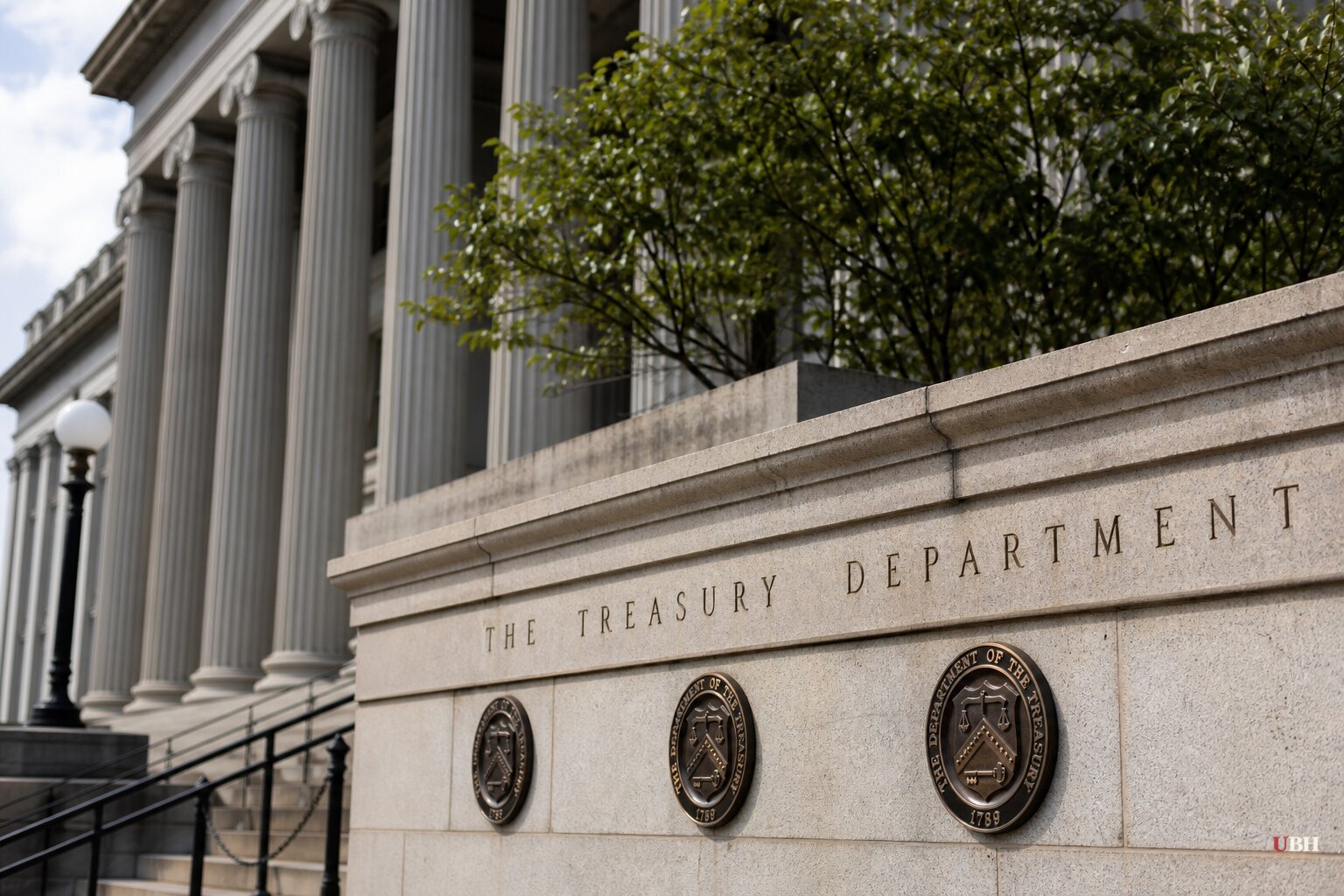
Scott Bessent wants the bond market to calm down. The bond market isn't listening.
On August 20, the Treasury secretary told CNBC his department would expand its debt buyback program beyond the $2 billion cap, confirming a size increase to at least $4 billion per operation for bonds between 10 and 30 years to maturity. The new ceiling takes effect September 9, according to the Treasury's own announcement reported by the Epoch Times. Bessent framed it as a liquidity fix, not a rate-suppression scheme: "All we're trying to do is get people to focus on the fundamentals and not trade the headlines during a quiet period in a thin market."
The announcement landed the day after the 30-year Treasury yield hit 5.31%, its highest level since June 2007, and in the same week the national debt crossed $40 trillion for the first time, according to the Epoch Times. The 10-year yield climbed to a 14-month high of 4.77%. Bond yields move inversely to prices, so when the government buys back long-dated bonds, it's trying to push prices up and yields down, lowering the borrowing costs that ripple into mortgages and corporate loans.
It worked for about a day. Yields fell sharply midweek after the announcement, then reversed course during Thursday's session, the Epoch Times reported.
Druckenmiller's Warning
Stanley Druckenmiller, the billionaire investor who worked alongside Bessent at George Soros's fund in the 1990s, including the 1992 bet against the British pound that forced the Bank of England to devalue sterling, offered the sharpest pushback. In a Wall Street Journal opinion piece, Druckenmiller told his former colleague he's picking a fight he can't win: "Governments defending prices against fundamentals always lose. The only variable is how much they spend before conceding."
Druckenmiller's argument is structural, not partisan. He says the long-term Treasury yield functions as the only remaining fiscal disciplinarian in Washington, because neither party will touch entitlement reform. "Neither party will run on entitlement reform. Both have spent the past decade expanding commitments while ignoring arithmetic," he wrote, according to the Guardian. Suppress the yield artificially, his logic goes, and you remove the one price signal forcing politicians to reckon with a $2 trillion annual deficit.
He also made a technical point that cuts against the doom narrative. The 10-year yield mostly reflects nominal growth, so financial conditions remain accommodative rather than restrictive, according to KuCoin's reporting on his WSJ piece. Yields only become genuinely dangerous once they climb meaningfully above the growth rate. Fortune's analysis backs this up with history, noting the Treasury's move resembles "Operation Twist," a strategy the Fed tried in 1961-65 and again in 2011, and the Bank of Japan tried from 2016 to 2024. Fortune notes the 1961 version failed specifically because the Fed paired it with loose monetary policy that let inflation run hot, eventually forcing yields higher anyway. Bessent's version is fiscal policy alone, with no matching Fed shift, which Fortune says makes its odds of durable success shakier still.
The Other Side of the Ledger
Breitbart's Business Digest offers the strongest defense of Bessent's move, and it deserves a fair hearing. Breitbart notes this buyback program isn't new; it's an expansion of a mechanism Janet Yellen's Treasury started under the Biden administration. The word "buyback" misleads people into thinking this resembles a corporate stock buyback or Fed money-printing, Breitbart argues, when it's neither. The Treasury is retiring specific old bonds while issuing new ones elsewhere, managing debt composition rather than creating new money or expanding the balance sheet. Under that framing, calling this a crisis response is overblown, and rising yields reflect economic strength, not fear.
There's also a genuine global context that undercuts a made-in-Washington crisis narrative. LPL Financial's chief fixed income strategist, Lawrence Gillum, told the Epoch Times the yield backup is real but is "a necessary normalization, not a crisis," pointing out the same repricing is happening in Japanese, German, French and British government bonds simultaneously. If yields were rising only in the U.S., it would point to a specific American credibility problem. A synchronized global move suggests broader forces, like persistent inflation worries and heavy government borrowing worldwide, are at work too.
Still, UBS strategists told clients in an August 19 note that buybacks "may discourage aggressive curve-steepening trades and reduce near-term market stress, but they do not address the forces supporting higher term premia, including persistent deficits, elevated capital demand, and a shift in Treasury ownership toward more price-sensitive private investors." That's the crux of the disagreement. Nobody in these sources, right or left, is claiming the buybacks alone fix the deficit problem. The dispute is over whether Bessent ever claimed they would, or whether critics are attacking a strawman.
Bessent has floated an even bigger lever. CNBC reported he could tap the Treasury's roughly $1 trillion General Account held at the Federal Reserve to fund further purchases, though no such expanded operation has been announced as of this writing. The September 9 buyback increase is confirmed and scheduled. Whether it moves the needle on a $2 trillion deficit, or just buys time until the next yield spike, is the question neither side has settled.
Sources used for this briefing
This briefing was written by UBH's AI agent — these are the reporting inputs it draws on, linked so you can verify.


