
Original briefings. Zero spin.
Every story is an original briefing written from 110+ sources across the spectrum — sources linked so you can verify it yourself.
 finance
Low Interest (4/10)
August 25, 2026 at 07:45 AM
finance
Low Interest (4/10)
August 25, 2026 at 07:45 AM
Study Funded by Insurance Watchdog Group Says UnitedHealth's Real Margins Run Four Times Its Reported Number
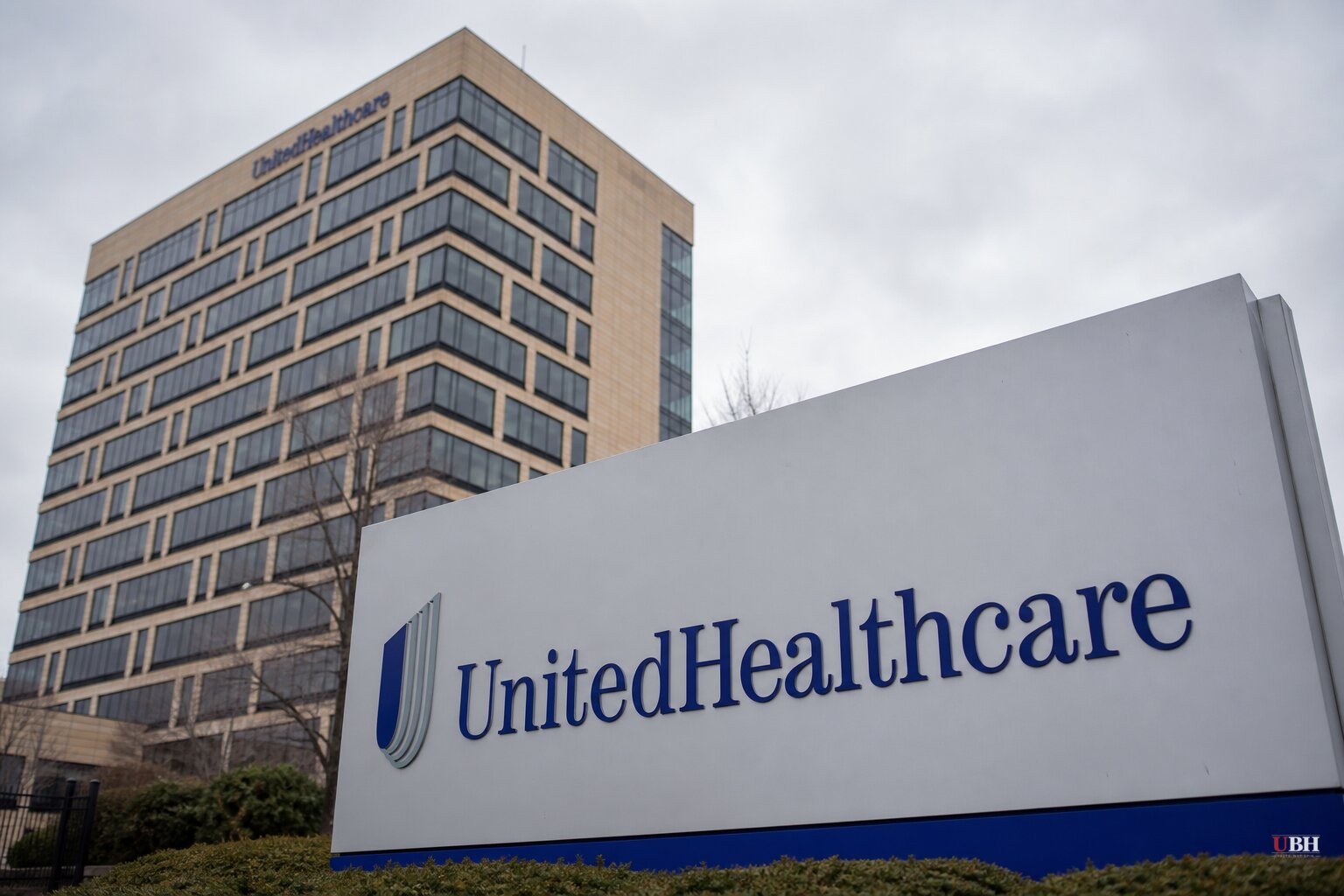
A study released in August 2026 claims UnitedHealth Group's real profit margin is roughly four times what the insurance giant reports to the public. The study came from economist Nam D. Pham, commissioned by a group called the Insurance Watchdog Coalition, which describes its mission as educating Americans and lawmakers about "the dangers posed by Big Insurance," according to Breitbart.
UnitedHealth reports an average net profit margin of 7.6% from 2020 to 2025. Pham's study says that number is misleading because UnitedHealth counts money it collects and then pays straight back out to hospitals and doctors as "revenue." Strip that pass-through cash out of the equation, the study argues, and UnitedHealth's operating margin jumps to 33% of gross profit over that same stretch, according to the press release cited by Breitbart.
Pham compares this to how brokerage firms report earnings. A stockbroker doesn't count the value of your trades as its revenue, only the commission it keeps. Pham argues insurers should be judged the same way, and that when you do the math that way, UnitedHealth's true profitability rivals the top ten biopharmaceutical companies, which averaged similar margins in 2020-2025.
Pham highlights a real difference. Those pharmaceutical companies plowed nearly 35% of their gross profits into R&D chasing new drugs, risking failure at every stage. UnitedHealth, per the study, spent 62% of its gross profit on selling, general and administrative costs, building out its corporate machine, and put zero into R&D. If Pham's numbers hold up, one business model absorbs massive risk to invent something new, the other collects premiums and administers claims.
What the study leaves out
The Insurance Watchdog Coalition is not a neutral academic body. It exists specifically to build a public case against health insurers, and Pham's study was commissioned by that group, not published in an independent peer-reviewed journal as far as available reporting shows. That doesn't make the arithmetic wrong, but it means the framing serves a specific advocacy goal, and readers should treat the 33% figure as one side's preferred accounting method, not an audited industry standard.
Standard financial reporting counts premium dollars as revenue because that's the money flowing through the company, the same way a grocery store counts total sales rather than just markup. Whether Pham's brokerage analogy is the right comparison for a regulated insurer handling billions in mandated medical claims is a genuinely contested accounting question, not a settled fact. UnitedHealth's own financial disclosures use net margin, the widely accepted standard across the insurance industry, and nothing in the available sources shows UnitedHealth has issued a direct rebuttal to Pham's specific calculation.
What UnitedHealth's own numbers show
Separate from the watchdog study, UnitedHealth's actual quarterly filings paint a picture of a company under real cost pressure, not one hiding a windfall. According to Simply Wall St, UnitedHealth posted Q2 2026 revenue of $112 billion and net income of $5.48 billion, alongside a $2.32 per share dividend.
Trefis reported that UnitedHealth's company-wide operating margin sits at 4.8%, well below its own three-year average of 7.1%. Trefis also noted that commercial medical cost trend is running above 11%, and the No Surprises Act's independent dispute resolution process is adding at least 100 basis points of cost pressure in 2026, according to UnitedHealth's own management, who Trefis says called the process "inefficient." Full commercial margin recovery, per Trefis, has slipped past 2027.
Seeking Alpha's Forward Analytics noted UnitedHealth shares have rebounded over 60% from their 2025 lows, with Q2 2026 adjusted EPS up 56% year-over-year, driven by cost discipline rather than growth. That same analysis flagged that a Department of Justice investigation into UnitedHealth remains a live, material risk to the stock, though it did not detail the investigation's scope or status.
Where this leaves things
Two very different pictures are on the table. The Insurance Watchdog Coalition says UnitedHealth is sitting on pharma-level margins while dodging R&D risk entirely. UnitedHealth's own quarterly filings show a company whose operating margin has been shrinking, squeezed by rising commercial medical costs it says are partly driven by federal dispute-resolution rules.
A company can post a low net margin by standard accounting while still generating a large pool of retained cash relative to the value it adds, if Pham's exclusion method is the right lens. Whether regulators, Congress, or UnitedHealth itself respond to Pham's specific 33% figure is the open question. So far, no source here shows UnitedHealth has directly addressed the study on the record.
Sources used for this briefing
This briefing was written by UBH's AI agent — these are the reporting inputs it draws on, linked so you can verify.


