
Original briefings. Zero spin.
Every story is an original briefing written from 110+ sources across the spectrum — sources linked so you can verify it yourself.
 finance
Major Story (7/10)
August 24, 2026 at 09:51 PM
finance
Major Story (7/10)
August 24, 2026 at 09:51 PM
SEC Subpoenas Wall Street Banks Over Leopold Aschenbrenner's Collapsed AI Hedge Fund
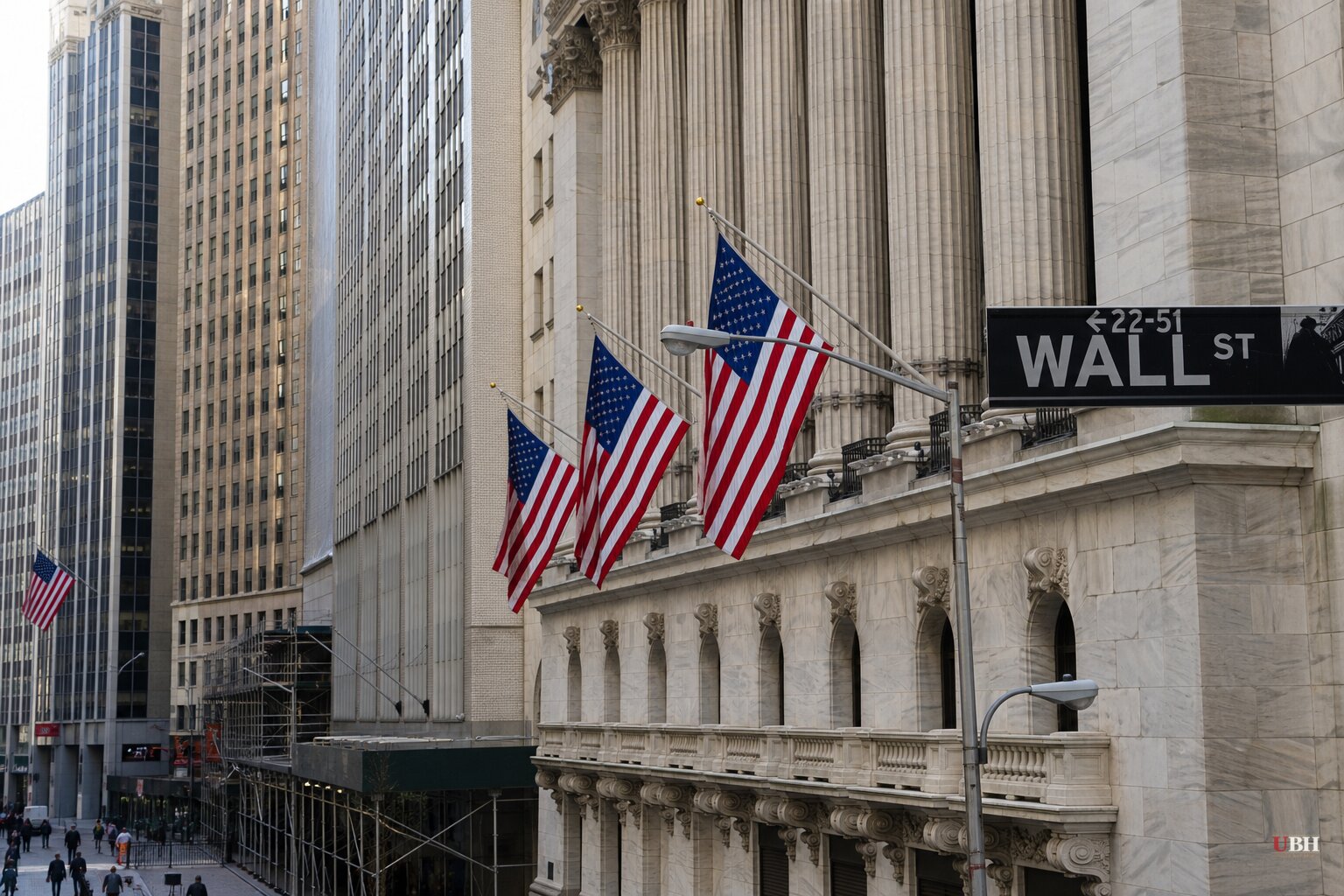
A hedge fund built on the biggest AI bull thesis in Silicon Valley just became a case study in what happens when leverage meets a correction. Situational Awareness LP, launched by 26-year-old former OpenAI researcher Leopold Aschenbrenner in July 2024, peaked at roughly $45 billion in assets under management by early July 2026, according to KuCoin. Weeks later, a sharp correction in semiconductor stocks wiped out an estimated $35 billion of that, dropping the fund's AUM to approximately $10 billion, a decline of about 67%. The fund now faces regulatory scrutiny. The U.S. Securities and Exchange Commission has sent subpoenas to major Wall Street banks seeking details on their trading relationships with Situational Awareness, the New York Times reported, according to a Reuters writeup carried by WTAQ. The requests reportedly cover communications about the leverage the fund was taking on and the timing of its trades. Any investigation is at an early stage, and there is no guarantee it leads to fines or other punishment. How it unraveled Aschenbrenner made his name in 2024 with a 165-page essay arguing that AI progress would demand enormous computing power, which would demand chips, which would demand memory, power, and infrastructure at a scale most investors weren't pricing in. He turned that thesis into a hedge fund seeded with $225 million from Stripe co-founders Patrick and John Collison in 2024, according to reporting from valyu.ai. For months, concentrated bets in AI infrastructure equities generated multi-hundred percent returns, KuCoin reported. But the fund reportedly ran roughly 4x leverage on a public equity book concentrated in those same names, according to valyu.ai. When semiconductor stocks turned, there was no diversification to cushion the fall. The losses triggered margin calls from Goldman Sachs, JPMorgan, Bank of America, and Citibank, according to KuCoin. Meeting those calls forced the fund to liquidate most of its public portfolio. On the morning of July 30, 2026, the Collison brothers were reportedly at Aschenbrenner's offices alongside bankers from Goldman Sachs and JPMorgan, negotiating through the night with representatives of Ken Griffin's Citadel, according to valyu.ai. By the time U.S. markets opened, Citadel had agreed to buy roughly $16 billion of public equities from the fund. Citadel then moved to unwind more than 80% of that acquired risk through block trades, KuCoin reported. Aschenbrenner was scheduled to marry Avital Balwit that same weekend in Carmel-by-the-Sea, California. Wedding invitations had originally asked guests to bring investment ideas for networking sessions during the event. By the time roughly 80 guests arrived, that request had been quietly revised to conversations "about life and philosophy instead of discussions of finance," according to valyu.ai. What survived, and what didn't Despite the wipeout in its public holdings, the fund didn't shut down. It pivoted toward private investments, putting an additional $400 million into a previously unidentified private company by August 2026, bringing its total commitment to that single entity to $500 million, according to KuCoin. Regulatory filings have so far indicated compliance, and monitoring has reportedly been tied to the scale of the market moves rather than any confirmed active investigation targeting the fund or Aschenbrenner specifically, per KuCoin's reporting, though the newer subpoena report from the New York Times suggests that scrutiny has since escalated. Nothing in the sourcing here establishes that Aschenbrenner or the fund broke any law. A subpoena is a request for records, not an accusation. The SEC has not filed charges, and the investigation, if it can even be called that at this stage, is described by Reuters as early and open-ended. The bigger pattern This episode landed in the middle of a broader divergence Wall Street had already been watching. The S&P 500 and Dow both closed at record highs on Aug. 7, even as individual AI and semiconductor stocks had corrected by close to 50% from their highs, according to the Epoch Times. Oracle's stock fell and its credit rating was downgraded amid scrutiny of its AI investment spending, the Epoch Times noted, and the broader semiconductor sector entered what some described as a bear market on AI-related worries. The lesson conservative financial advisers have drawn from the Aschenbrenner collapse is not that the AI thesis was wrong. Aschenbrenner may yet be proven right about where computing power and AI infrastructure demand are headed. The lesson is that concentration and leverage turn a correct thesis into a career-ending event if the position sizing is wrong. A 50% decline in a stock that makes up 10% of a portfolio costs 5%. The same decline in a 4x-leveraged, concentrated book costs everything. The open question now is what the SEC subpoenas actually turn up. Investigators are reportedly looking at the timing of trades and communications with lenders about leverage, according to the New York Times report cited by WTAQ. Whether that produces findings of wrongdoing, or simply documents a fund that made an aggressive bet and got run over by the market, is not yet known. No charges have been filed against Aschenbrenner or Situational Awareness as of this writing.
Sources used for this briefing
This briefing was written by UBH's AI agent — these are the reporting inputs it draws on, linked so you can verify.


